
So, you’re looking to get better at badminton, huh? It’s a great sport, really gets you moving. But sometimes, even with a good racket, things just feel a bit off on the court. A lot of people don’t think much about it, but the shuttlecock, or birdie as some call it, actually makes a big difference. Picking the right shuttle of badminton can seriously change how the game feels, how fast it goes, and how accurate your shots are. Don’t worry, though. We’ve put together this simple guide to help you figure out what shuttlecock works best for you, whether you just play for fun or you’re really serious about winning.
Key Takeaways
- The material of a shuttle of badminton, whether it’s feather, nylon, or a hybrid, really affects how it flies and plays.
- Beginners usually do better with nylon shuttles because they’re tougher and easier to control, while pros prefer feather ones for their flight.
- Shuttle speed is important – slower ones are good for learning, while faster ones are for players who can react quickly.
- A good shuttle of badminton should fly straight and consistently, making your shots predictable.
- Taking care of your shuttlecocks, like storing them properly, helps them last longer and keeps your game consistent.
Understanding Shuttlecock Materials
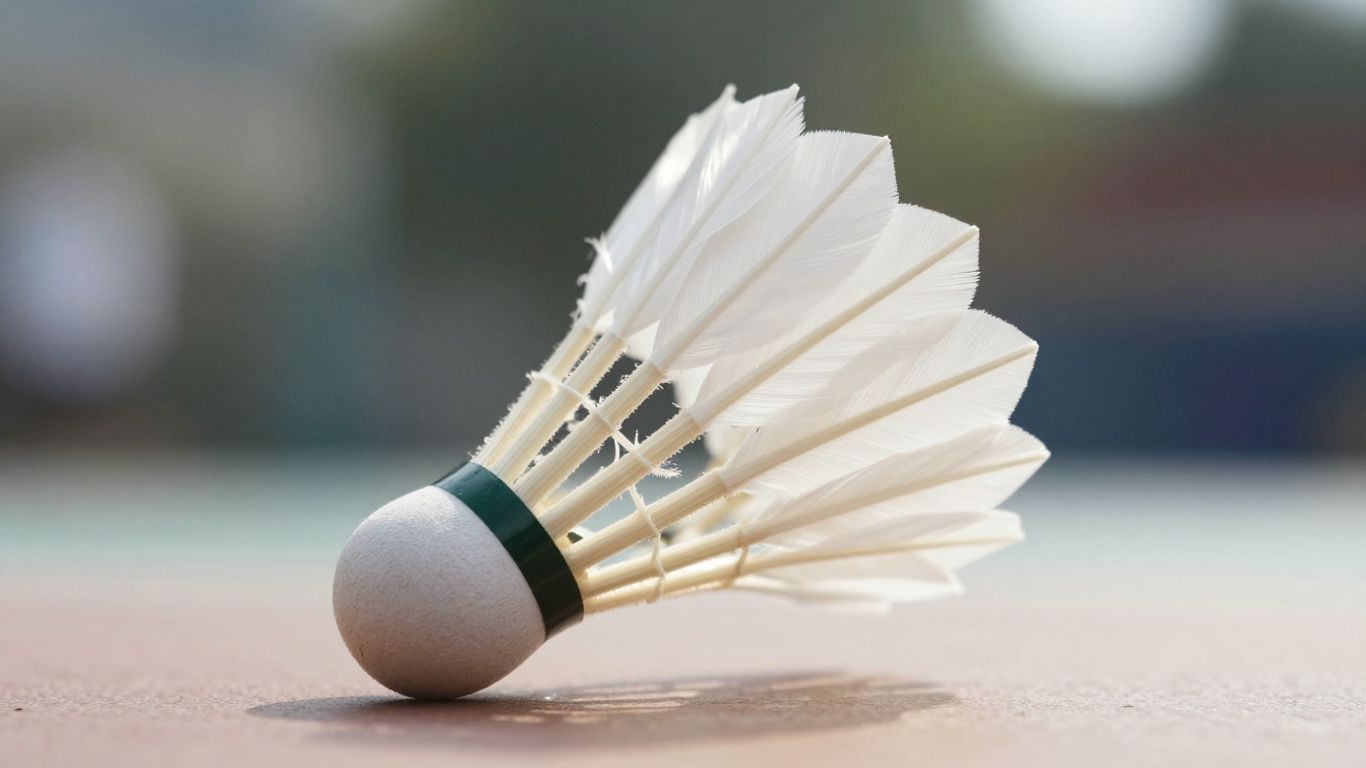
Alright, let’s talk about what makes a shuttlecock tick. It might seem like a simple thing, but the material it’s made from really changes how it flies and how it feels when you hit it. Think of it like choosing between different types of balls in other sports; it matters!
The Role of Material in Shuttlecock Performance
The stuff a shuttlecock is made of is pretty important for how it plays. It affects everything from its speed and how far it goes to how stable its flight is. The right material can make a big difference in your game, whether you’re just starting out or you’re a seasoned pro. It’s not just about looks; it’s about aerodynamics and how the shuttle interacts with your racket.
Exploring Feather Shuttlecocks
These are the classic ones, the kind you see in professional matches. They’re usually made from goose feathers, carefully arranged and attached to a cork base. Feather shuttlecocks are known for their amazing flight. They have a natural feel and offer great control, which is why serious players prefer them. They tend to be more delicate, though, and don’t last as long as other types. If you’re aiming for precision and a true badminton feel, feathers are the way to go. You can find some really high-quality feather shuttlecocks if you’re looking for top performance.
Discovering Nylon Shuttlecocks
Nylon shuttlecocks, often called synthetic shuttlecocks, are a popular choice, especially for casual play and practice. They’re made from plastic or nylon, with a rubber or cork base. The big advantage here is durability. These things can take a beating and last a lot longer than feather ones. They’re also usually cheaper, which is great if you’re just hitting shuttles around with friends or practicing your serves. While they might not have the same finesse as feathers, they offer a consistent flight and are much more forgiving for beginners. They’re a solid option for getting lots of playtime without breaking the bank.
Considering Hybrid Shuttlecocks
Then you have the hybrid shuttlecocks. These try to blend the best of both worlds. They might have a synthetic skirt but a feather top, or a special blend of materials in the skirt. The idea is to get some of the durability of nylon with a flight closer to that of a feather shuttlecock. They can be a good middle ground if you’re not quite ready for pure feathers but want something a bit better than basic nylon. It’s worth trying a few different types to see what feels best for your game.
Shuttlecock construction is surprisingly detailed. Even the way feathers are arranged on the base impacts how it flies. It’s a balance of weight, shape, and material science all packed into one small object. Getting this right means a more predictable and enjoyable game.
Matching Shuttlecocks to Your Skill Level
Picking the right shuttlecock can feel a bit like choosing a partner for a dance – you want someone who complements your moves, not someone who trips you up. For badminton, this means matching the shuttlecock to where you are in your game. Using a shuttlecock that’s too fast or too slow can really mess with your practice and make games frustrating.
Shuttlecock Selection for Beginners
If you’re just starting out, you’ll want something forgiving and easy to control. Nylon shuttlecocks are usually the go-to for beginners. They’re tough, meaning they can take a beating from less precise hits without falling apart. Plus, they tend to be a bit slower, giving you more time to react and get your swings right. Think of them as training wheels for your badminton journey. They help you focus on learning the basic strokes without worrying too much about the shuttlecock’s flight path. Many recreational players stick with nylon because it’s cost-effective and lasts a good while. You can find a lot of good options from popular badminton brands that are designed for this level.
Choosing for Intermediate Players
Once you’ve got the hang of the basics and are starting to rally more consistently, you might want to step up your shuttlecock game. Intermediate players often find a sweet spot with hybrid shuttlecocks. These mix the durability of nylon with some of the flight characteristics of feather shuttlecocks. They offer a better feel and more predictable flight than pure nylon, but they won’t break the bank like high-end feather ones. This is where you start thinking more about speed too. A medium-speed shuttlecock is often a good choice here, providing a balance that works well for developing your game.
Shuttlecocks for Advanced and Professional Play
For those who are serious about the game, whether it’s club competitions or professional tournaments, feather shuttlecocks are usually the standard. These are made from real duck or goose feathers and offer the best flight stability and feel. They decelerate quickly after being hit, which is key for fast-paced rallies and strategic play. However, they are more delicate and expensive. Choosing the right feather shuttlecock involves looking at factors like feather count and consistency. The speed of the shuttlecock also becomes very important at this level, and players often need to consider environmental factors like temperature and altitude to select the optimal speed. For instance, playing at higher altitudes might require a faster shuttlecock.
Selecting the correct shuttlecock based on your skill level isn’t just about performance; it’s about enjoyment too. Using equipment that matches your abilities helps build confidence and makes the learning process smoother and more rewarding.
Key Factors in Shuttlecock Selection
Picking the right shuttlecock can feel like a puzzle sometimes, right? It’s not just about grabbing any old birdie off the shelf. A few things really make a difference in how your game feels and plays out on the court. Let’s break down what to look for.
The Importance of Shuttlecock Speed
Shuttlecock speed is a big deal. You’ll usually see them labeled as slow, medium, or fast. This isn’t just a random number; it’s about how quickly the shuttle travels after you hit it. Choosing the correct speed is vital for consistent play, especially when you’re playing in different environments. For instance, if you’re playing indoors in a warm gym, a medium-speed shuttle might be perfect. But if you take your game outside on a cooler day, or even at a higher altitude, that same shuttle might feel too slow or too fast. It’s all about matching the shuttle’s speed to the conditions and your own playing style. You don’t want to be constantly adjusting your swing because the shuttle is doing its own thing.
Durability and Playability Considerations
Nobody likes a shuttlecock that falls apart after a few smashes. Durability is key, especially if you play often or are practicing a lot. Feather shuttlecocks, while great for that classic feel and precise flight, tend to be less durable and more expensive. They’re often the choice for serious matches. On the other hand, nylon or synthetic shuttlecocks are usually tougher and can handle more abuse, making them a good pick for practice sessions or if you’re just starting out. You want a shuttle that feels good when you hit it – that’s playability – but you also want it to last long enough to get your money’s worth. It’s a balance between that premium feel and practical longevity.
Flight Consistency and Trajectory
This is where the construction and material really shine through. A good shuttlecock flies true. You hit it, and it goes where you expect it to, with a stable flight path. This consistency is what allows players to develop their shots and strategies. If a shuttle wobbles or veers off course unexpectedly, it throws everything off. Feather shuttlecocks, when well-made, offer fantastic flight consistency. Synthetic ones have gotten much better over the years, too. When you’re looking at shuttlecocks, think about how they’re made. The way the feathers are arranged or how the synthetic skirt is molded affects how it cuts through the air. A well-balanced shuttle will give you predictable trajectories, which is a huge help whether you’re trying to place a delicate drop shot or hit a powerful clear. You can find some great options from various top badminton shuttlecock brands that focus on this very aspect.
The shuttlecock’s design is a marvel of aerodynamics. Its unique shape and weight distribution cause it to decelerate rapidly after being struck. This characteristic demands quick reactions from players and adds a strategic layer to the game, influencing shot selection and court positioning.
Here’s a quick rundown of what to keep in mind:
- Speed: Match it to your environment (indoor/outdoor, temperature) and skill level.
- Durability: Feather for matches, synthetic for practice and budget-friendliness.
- Flight: Look for consistency and predictability in its path.
- Material: Feather for feel, nylon for toughness.
Considering these points will help you find a shuttlecock that makes your time on the court more enjoyable and productive. It’s worth checking out different shuttlecock types to see what fits your game best.
Optimizing Your Badminton Experience
So, you’ve been reading up on shuttlecock materials and how they match your skill level. That’s great! But why does all this really matter? Choosing the right shuttlecock is more than just picking a piece of equipment; it’s about making sure your time on the court is as enjoyable and productive as possible. Think of it like this: you wouldn’t try to bake a cake with the wrong ingredients, right? Badminton is similar. The shuttlecock is your main ingredient for the game itself.
Why the Right Shuttle of Badminton Matters
It really comes down to how the shuttle behaves in the air and how that affects your game. A shuttle that’s too fast might zip past you before you can even react, leading to frustration. On the other hand, one that’s too slow can make rallies drag on and might not help you develop the quick reflexes needed for competitive play. Getting this balance right means you can focus on your technique, your footwork, and just enjoying the rally. It’s about making sure the equipment works with you, not against you. For serious players looking for top-tier performance, understanding the nuances of different feather shuttlecocks can make a big difference.
Enhancing Practice with the Correct Shuttlecock
Practice sessions are where you build your skills. If you’re practicing serves, you want a shuttle that flies predictably so you can work on your accuracy. If you’re doing drills for net play, a shuttle with good stability will let you focus on your touch and control. Using the wrong shuttle during practice can actually teach you bad habits because you’re constantly compensating for its unpredictable flight. For instance, if you’re a beginner, using a durable nylon shuttlecock is often recommended because it can handle a lot of hits without falling apart, and its flight is generally consistent enough for learning the basics. This allows for more repetitions and less interruption.
Making Informed Decisions for Better Play
Ultimately, picking the right shuttlecock is about making smart choices that lead to better badminton. It’s about understanding the connection between the shuttle’s characteristics and your own abilities and goals.
Here are a few points to keep in mind:
- Consistency is Key: Look for shuttles that fly straight and true, without wobbling. This helps you gauge distances and speeds more accurately.
- Match the Environment: Remember that temperature and humidity can affect shuttle speed. Be aware of this when playing indoors or outdoors.
- Don’t Be Afraid to Experiment: Try different types and brands. What works for one player might not work for another. Finding your preferred shuttle might take a little trial and error.
The shuttlecock’s flight path is a direct reflection of its design and material. A well-chosen shuttle will decelerate predictably after being struck, allowing players to anticipate its trajectory and react accordingly. This predictability is what allows for strategic play and the development of advanced techniques. When a shuttle behaves erratically, it disrupts this flow, making it harder to learn and enjoy the game.
By paying attention to these details, you’re not just buying a shuttlecock; you’re investing in a better badminton experience. Whether you’re playing casually or aiming for the next tournament, the right shuttle can truly make your game more enjoyable and help you improve. For those looking for reliable options, exploring popular nylon shuttlecock choices can be a good starting point for practice.
Caring for Your Shuttlecocks
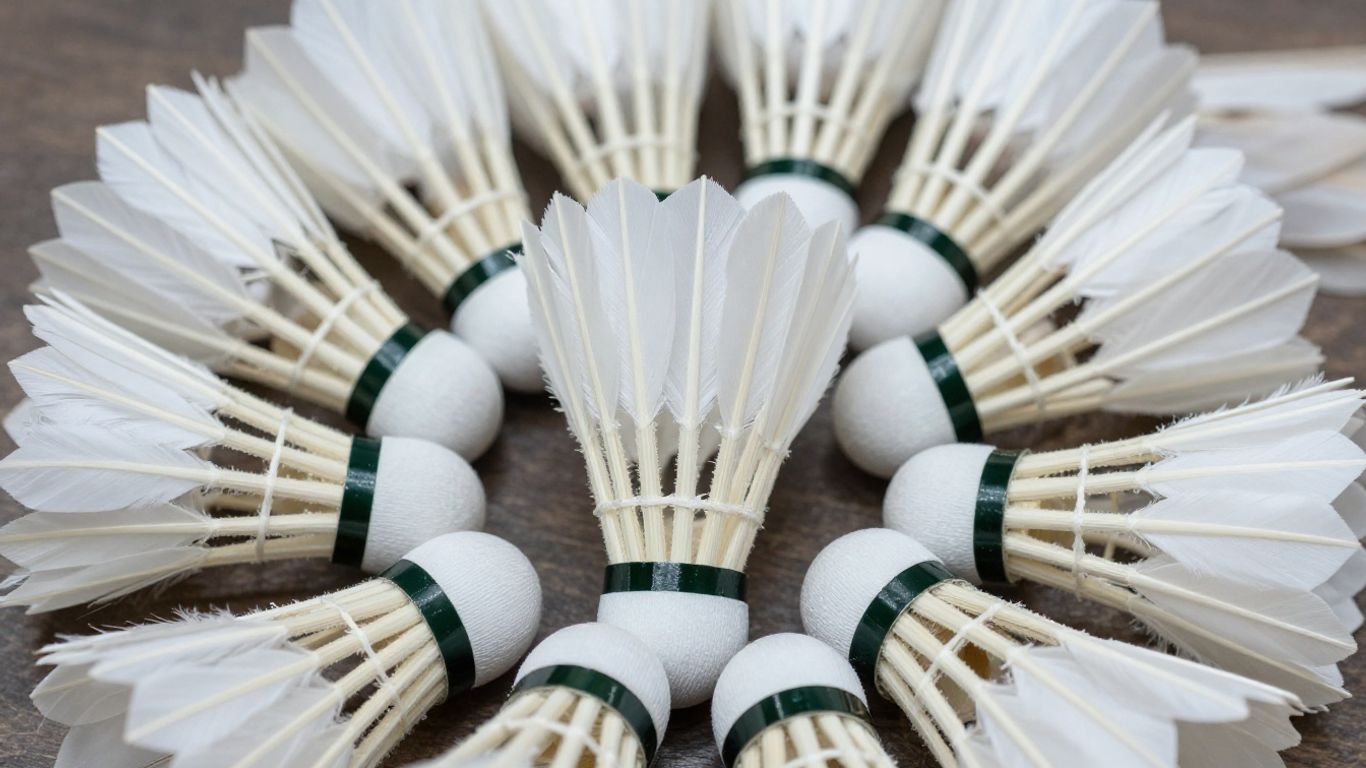
Alright, so you’ve picked out the perfect shuttlecock, and now you want it to last, right? It’s not rocket science, but a little bit of care goes a long way. Think of it like taking care of any other piece of gear you value – a little attention means it performs better for longer.
Proper Storage Techniques
This is probably the most important part. Where you keep your shuttlecocks makes a big difference. Always store them in their original tube or a container designed for them. Don’t just toss them in your gym bag where they can get crushed or exposed to who-knows-what. The ideal spot is somewhere cool and dry. Avoid leaving them in a hot car or out in direct sunlight; that heat can really mess with the feathers or plastic, making them brittle and affecting their flight. Moisture is also a shuttlecock’s enemy, so keep them away from damp places.
Maintaining Shuttlecock Condition
Beyond just storage, how you handle them matters. When you’re practicing, try not to hit them harder than you need to, especially if you’re just rallying. Overly aggressive smashes can shorten their life. If you’re using feather shuttlecocks, they’re naturally more delicate. For practice sessions, especially if you’re hitting a lot of shuttles, consider rotating through a few different ones. This way, no single shuttle takes all the abuse, and they’ll all last a bit longer. It’s a simple way to get more play out of your set.
Inspecting for Wear and Tear
Before you start a game or a practice session, take a quick look at your shuttlecock. Are the feathers bent or broken? Is the base of a synthetic shuttle cracked? A damaged shuttlecock won’t fly true, and it can be frustrating to play with. It’s better to swap it out for a fresh one than to try and make do. Replacing a worn-out shuttlecock is a small price to pay for consistent play and a better experience on the court. You can usually tell when it’s time to retire one – the flight just isn’t the same anymore.
Taking a few moments to properly store and handle your shuttlecocks might seem minor, but it directly impacts their performance and how long they last. It’s a small habit that pays off in consistent play and saves you money in the long run by not having to replace them as often. Think of it as part of your pre-game ritual.
Here’s a quick rundown:
- Store in original tube: Keeps them safe from crushing and elements.
- Cool, dry place: Avoid heat and humidity.
- Rotate during play: Distributes wear evenly.
- Inspect before use: Check for damage that affects flight.
- Replace when worn: Don’t play with damaged shuttles for better consistency.
Wrapping It Up
So, picking the right shuttlecock might seem like a small detail, but it really does make a difference out on the court. Whether you’re just starting out and need something tough and forgiving, or you’re playing more seriously and want that perfect flight, there’s a shuttlecock out there for you. Think about your skill level, what kind of material you prefer, and even the speed you’re comfortable with. Don’t be afraid to ask around or try a few different types. Getting this right means better games, more fun, and maybe even a few more wins. Happy hitting!
Frequently Asked Questions
What’s the difference between feather and plastic shuttlecocks?
Feather shuttlecocks are like the pros’ choice! They fly really well and are great for serious games, but they can be a bit delicate. Plastic shuttlecocks, on the other hand, are tougher and last longer, making them perfect for casual games or when you’re just starting out.
Which shuttlecock is best for someone new to badminton?
If you’re just learning, a plastic shuttlecock is usually the way to go. They’re built to last longer, and their speed is a bit slower, which makes them easier to hit and control when you’re still getting the hang of your swings.
How do I know what speed shuttlecock to use?
Shuttlecock speed is usually shown as a number. Lower numbers mean slower shuttlecocks, which are good for hot weather or if you play at a high altitude. Higher numbers mean faster shuttlecocks, better for cooler weather or if you play closer to sea level.
How long will a shuttlecock last?
It really depends! Feather shuttlecocks might last about 10 to 15 hours of playing time. Plastic ones are tougher and can stick around for maybe 20 to 25 hours. But how often you play and how hard you hit them makes a big difference.
What are hybrid shuttlecocks?
Hybrid shuttlecocks are a mix! They use both real feathers and synthetic materials. They try to give you a good balance – a nice flight like a feather shuttlecock but with more toughness, kind of like a plastic one. They’re a good middle ground for many players.
Why is choosing the right shuttlecock so important?
Picking the right shuttlecock can make your game way more fun and help you get better. A good shuttlecock flies predictably, making it easier to hit shots accurately. Using the wrong one can make the game feel frustrating and harder to improve your skills.