
Picking the right gear for badminton can feel like a puzzle sometimes, right? You’ve got shuttlecocks, or birdies as some call them, and then there are the rackets. It’s not just about grabbing whatever looks cool. The right badminton shuttlecock and racket can seriously change how you play, making things smoother, more powerful, or just plain more fun. This guide breaks down what to look for, so you can stop guessing and start playing better.
Key Takeaways
- Feather shuttlecocks offer the best flight for serious players, but nylon ones are tougher and cheaper for casual games. Hybrids try to split the difference.
- Think about how you play – are you smashing hard or playing defensively? This helps pick a racket that suits your style, whether it’s head-heavy for power or head-light for speed.
- Racket shaft flexibility matters. Beginners might like a more flexible shaft for easier power, while pros with fast swings need a stiffer one for control.
- Don’t forget the racket’s balance and weight. A slightly heavier head can add power, but too much weight can slow you down. Find what feels right for your swing.
- Always consider trying gear out if you can. What feels good in your hand and works with your swing is often more important than just the specs.
Understanding Badminton Shuttlecock Types
When you’re getting into badminton, one of the first things you’ll notice is that not all shuttlecocks, or birdies, are created equal. They look pretty similar from a distance, but up close, you’ll see there are distinct differences that really affect how the game plays. Choosing the right one can make a big difference, whether you’re just hitting around with friends or playing in a serious match. Let’s break down the main types you’ll come across.
Feather Shuttlecock Features and Recommendations
These are the classic shuttlecocks, the ones you see in professional tournaments. They’re made from real feathers, usually from ducks or geese, carefully arranged around a cork or rubber base. Feather shuttlecocks offer the best flight stability and feel, which is why pros use them. They have a natural aerodynamic shape that cuts through the air nicely. However, they’re not the most durable. A few hard smashes can easily damage the feathers, meaning you’ll go through them faster. They’re also more sensitive to environmental factors like wind and humidity, so they’re best suited for indoor play. If you’re playing competitively or just want that authentic feel, feather is the way to go. Look for ones with a good number of feathers (16 or 17 is common) for better consistency.
Nylon/Plastic Shuttlecock Features and Recommendations
If you’re just starting out or playing casually, especially outdoors, nylon or plastic shuttlecocks are probably what you’ll be using. They’re made from synthetic materials, which makes them way more durable and less expensive than feather ones. They can take a beating and last for quite a while, which is great for practice or just having fun. They’re also less affected by wind and temperature changes, making them a solid choice for outdoor courts. The flight might not be as precise as a feather shuttlecock, but for beginners, they’re easier to control and learn with. Brands like Yonex and HEAD make reliable plastic options.
Hybrid Shuttlecock Features and Recommendations
Hybrid shuttlecocks try to give you the best of both worlds. They usually have a synthetic skirt, like a plastic shuttlecock, but with a feather top or a cork base that feels more like a traditional shuttle. This combination aims for a good balance between durability and flight performance. They tend to fly better than pure plastic ones but last longer than pure feather ones. These are a good middle-ground option for players who want a bit more performance than basic plastic but don’t want to constantly replace delicate feather shuttles. They can be a versatile choice for club play or when you’re not sure what type of shuttlecock to use. When picking one, consider the material of the skirt and the base for how it will perform.
Choosing the right shuttlecock is more than just picking one up off the shelf. It directly impacts how the shuttle flies, how long it lasts, and ultimately, how much fun you have playing. Think about where and how you play most often.
Factors Influencing Shuttlecock Choice
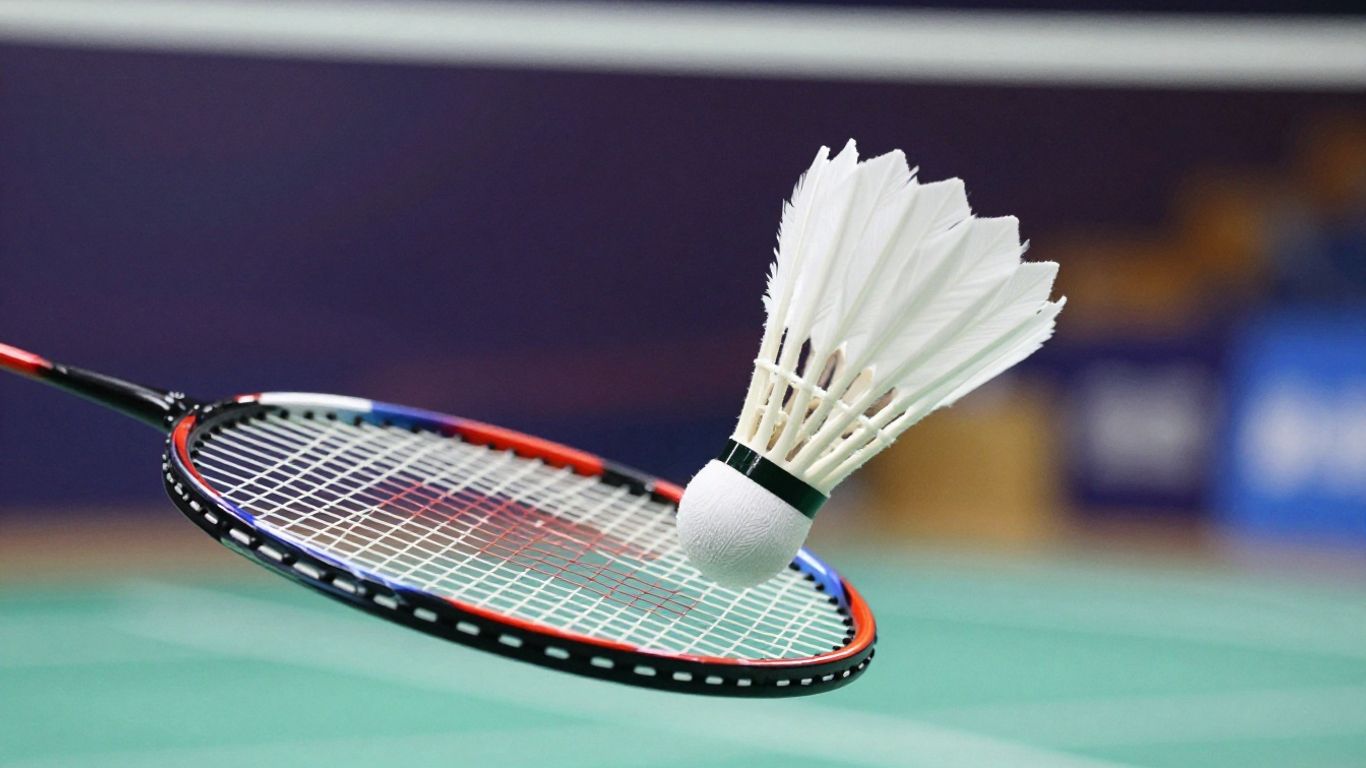
So, you’ve got your eye on a new racket, but what about the shuttlecock? It might seem like a small detail, but picking the right one can actually make a pretty big difference in how your game feels and performs. It’s not just about grabbing any old birdie; there are a few things to think about.
Skill Level and Playing Style
This is probably the biggest one. If you’re just starting out, a plastic or nylon shuttlecock is usually the way to go. They’re tougher, meaning they won’t break after a few smashes, and they tend to fly a bit slower, which gives you more time to react and get used to the game. For beginners, durability and ease of control are key. As you get better and your game gets faster, you might start looking at feather shuttlecocks. These offer a more natural flight and are what you’ll see in professional matches, but they’re more delicate and expensive. Hybrid shuttlecocks try to split the difference, offering a bit more durability than pure feather ones while still giving a decent flight feel.
Environmental Considerations
Where you play matters more than you might think. Temperature and humidity can really mess with how a shuttlecock flies. For instance, in colder, drier air, a shuttlecock might fly a bit slower and drop shorter. In warmer, more humid conditions, it might fly faster and go further. This is especially true for feather shuttlecocks. If you’re playing outdoors, a nylon shuttlecock is almost always a better bet because it’s less affected by wind and weather. It’s good to know that different speeds are recommended for different conditions, like a speed 77 for normal temperatures and sea level, or a speed 75 for hotter weather and higher altitudes.
| Shuttle Speed | Altitude | Temperature |
|---|---|---|
| 75 – Slow | Above Sea Level | Extreme Hot (30c+) |
| 76 – Quite Slow | Sea Level | Hot (25-30 degree) |
| 77 – Average | Sea Level | Normal (15-25 deg) |
| 78 – Quite Fast | Below Sea Level | Cold (0-15 degree) |
| 79 – Fast | Below Sea Level | Very Cold (<0 deg) |
Speed and Flight Characteristics
Shuttlecock speed is usually rated on a scale, often from 75 (slow) to 79 (fast). The right speed helps the shuttlecock travel the correct distance across the court. If it’s too slow, it’ll drop too soon, and if it’s too fast, it’ll fly out of bounds. Choosing the correct speed is important for a consistent rally. You want a shuttlecock that feels predictable. A good quality shuttlecock will have a consistent flight path, meaning it won’t wobble or veer off course unexpectedly. This consistency is what separates a decent birdie from a great one, and it’s something you’ll appreciate more as your own game improves.
Picking the right shuttlecock isn’t just about the material; it’s about matching it to your skill, where you play, and how fast you like to hit the bird. Getting this right means fewer frustrating moments and more enjoyable rallies.
Selecting the Ideal Badminton Racket
Picking the right badminton racket is a big deal, honestly. It’s not just about looks; it’s about how the racket feels in your hand and how it helps you play. A racket that doesn’t fit your style can make even simple shots feel like a struggle, and nobody wants that. Think of it like choosing a tool – you wouldn’t use a hammer to screw in a bolt, right? The same applies here. Your racket is an extension of your arm, and it needs to work with you, not against you.
Matching Racket to Playing Style
First off, how do you actually play? Are you the type to go all out with powerful smashes from the back, or do you prefer quick, sharp shots near the net? Knowing this is key.
- Attacking Players: If you love a good smash and want to put maximum power behind your shots, you’ll likely want a head-heavy racket. The extra weight up top helps generate that momentum. It’s like giving your swing a little extra push.
- Defensive Players: For those who rely on speed, quick reflexes, and getting to the shuttle just in time, a head-light racket is usually the way to go. They’re easier to swing fast and recover with, which is super handy when the rally gets intense.
- All-Rounders: Can’t quite pin down your style, or do you like a bit of everything? An even-balanced racket is a solid choice. It gives you a decent mix of power and control, making it versatile for different situations.
Understanding Shaft Flexibility
Beyond the balance, the shaft’s flexibility matters a lot. This is how much the racket shaft bends when you hit the shuttle.
- Flexible Shafts: These are generally more forgiving. They help beginners or players with slower swing speeds generate more power because the shaft whips through the shuttle. The trade-off is usually a bit less precision.
- Stiff Shafts: More experienced players with faster swings often prefer stiff shafts. They offer better control and a more direct feel, which is great for accurate shots, especially at the net. You get a really crisp response.
Choosing the right shaft flex means your swing energy gets transferred to the shuttle more effectively. It’s about making sure your effort translates into a good shot, whether that’s a powerful smash or a delicate drop shot.
Grip Size and Racket Material
Don’t forget the grip! It needs to feel right in your hand. Too small, and you might lose control; too big, and your hand might cramp up. A good rule of thumb is to hold the racket and see if you can fit about one finger between your fingertips and the palm of your hand. If your fingers overlap, the grip is likely too small. If there’s a big gap, it might be too large. You can always add an overgrip to make a smaller grip slightly larger, but you can’t easily make a large grip smaller. Most rackets come in standard grip sizes, often labeled G4 or G5, with G5 being smaller. Trying out different sizes is the best way to find what’s comfortable for you. As for material, most rackets are made from graphite or carbon fiber composites these days, which offer a good balance of strength, lightness, and durability. You’ll find that most high-quality badminton rackets are made from these materials, so focus more on the weight, balance, and flex for your game.
Racket Specifications for Performance
So, you’ve got a handle on shuttlecocks, but what about the stick you’re using to hit them? The racket itself has a bunch of specs that really change how it feels and performs on the court. It’s not just about picking one up; understanding these details can make a big difference in your game, whether you’re trying to smash harder or just get around the court quicker.
Head-Heavy vs. Head-Light Rackets
This is all about where the weight is concentrated. A head-heavy racket puts more weight towards the top of the racket head. This extra mass can help you generate more power, especially for smashes and clears. Think of it like swinging a hammer – the weight at the end gives it momentum. However, this extra weight can also make the racket feel a bit slower to swing, which might not be ideal if you need to react super fast in doubles.
On the flip side, a head-light racket has most of its weight closer to the handle. This makes it feel much quicker and more maneuverable. Players who focus on fast defense, quick net play, or play a lot of doubles often prefer head-light rackets because they can whip them around faster. The choice here really depends on whether you prioritize raw power or lightning-fast reflexes.
Here’s a quick rundown:
- Head-Heavy: More power, good for smashes and clears, can feel slower.
- Head-Light: Faster swing speed, great for defense and doubles, less inherent power.
- Even Balance: A middle ground, offering a balance of power and speed, often good for all-rounders.
Flexible vs. Stiff Shafts
The shaft is the long, thin part connecting the handle to the racket head. Its stiffness plays a big role in how the racket feels and performs. A flexible shaft will bend more during a swing. This bend can act like a spring, helping to launch the shuttlecock with more power, especially for players who don’t have a super fast swing speed. It can make clears go further and smashes feel more potent. However, a very flexible shaft might feel a bit mushy or less precise on very fast shots.
A stiff shaft, on the other hand, doesn’t bend as much. This means more of your swing energy goes directly into the shuttlecock, giving you better control and a more direct feel. Stiff shafts are often preferred by stronger players with good technique who can generate their own power and want maximum precision. They offer a crisp feel on impact.
| Shaft Type | Feel | Best For |
|---|---|---|
| Flexible | Springy | Players needing extra power, developing players |
| Medium | Balanced | All-round play, most club players |
| Stiff | Precise | Advanced players, power hitters, control focus |
Balance Point and Weight Distribution
We’ve touched on head-heavy and head-light, but the balance point is the specific spot where the racket would theoretically balance on your finger. This point, combined with the overall weight, dictates the racket’s feel. Lighter rackets, often in the 4U or 5U range, are easier to swing quickly. A 4U racket, for instance, typically weighs between 80-84 grams, making it a popular choice for many players seeking a good mix of speed and stability [e010].
The overall weight of the racket, often denoted by ‘U’ (like 3U, 4U, 5U), is a significant factor. While string tension can affect the feel, it doesn’t change the racket’s fundamental weight. Choosing a lighter racket (like 4U or 5U) can really help with faster wrist action and quicker reactions at the net [5baf].
Think about it: a racket that feels too heavy will tire you out and slow down your game. Conversely, a racket that’s too light might not give you enough stability or power for your clears. Finding that sweet spot where the weight distribution feels comfortable and allows you to play your best is key. It’s about how the racket feels in your hand during different types of shots.
Optimizing Your Badminton Equipment
So, you’ve got a decent racket and a shuttlecock that flies reasonably well. That’s a good start, but we can fine-tune things to make your game even better. It’s not just about having the gear; it’s about making that gear work for you. Think of it like a musician with their instrument – the better they know it, the better the music.
The Role of Shuttlecock Speed
Shuttlecock speed is a big deal, and it’s not as simple as just ‘fast’ or ‘slow’. Different shuttles have different flight paths and speeds, which can really change how a rally feels. A shuttle that’s too slow might feel sluggish, giving your opponent more time to react. On the other hand, one that’s too fast can feel uncontrollable, leading to shots going out of bounds. Finding the right shuttlecock speed for your game is about matching it to your pace and the environment you’re playing in. For instance, if you play outdoors or in a drafty hall, you might need a slightly heavier or slower shuttle to keep it stable. For indoor, still air, a standard speed shuttle is usually best. It’s worth experimenting with different speeds to see what feels most comfortable and effective for your shots, especially for those powerful smashes that can reach incredible speeds.
Racket Balance for Control and Power
We’ve talked about racket weight, but the balance point is just as important, if not more so. This is where the weight is concentrated on the racket. You’ve got a few main types:
- Head-Heavy: These feel like the weight is at the top of the racket. They’re great for generating power, especially for smashes. If you’re an attacking player, this might be your jam. They can feel a bit slower to swing, though.
- Head-Light: The weight is closer to the handle. These are super quick to move around, making them ideal for fast net play and defensive players who need to react fast. You get more maneuverability but maybe a bit less raw power.
- Even Balance: As the name suggests, the weight is distributed evenly. This is a good middle-ground, offering a bit of both power and control. Perfect for all-rounders or if you’re still figuring out your exact style.
Choosing the right balance point really comes down to what you prioritize: quickness or hitting power. It’s a key part of selecting the correct badminton equipment.
Comfort and Injury Prevention
This is the part people sometimes overlook, but it’s super important. Playing with gear that doesn’t feel right can lead to discomfort and, worse, injuries. Your racket’s grip size, for example, needs to fit your hand. Too small and you might grip too tightly, leading to wrist strain. Too big and you lose fine control. Many rackets come with vibration-dampening features, which can be a lifesaver for your arm and wrist over time. These vibration-damping materials absorb some of the shock from hitting the shuttlecock, reducing the impact on your joints. Don’t underestimate the value of comfort; it allows you to play longer and better without aches and pains. It’s always a good idea to try out a few different rackets if you can, just to feel how they sit in your hand and how they swing. Your body will thank you for it.
Making the Final Badminton Shuttlecock and Racket Decision
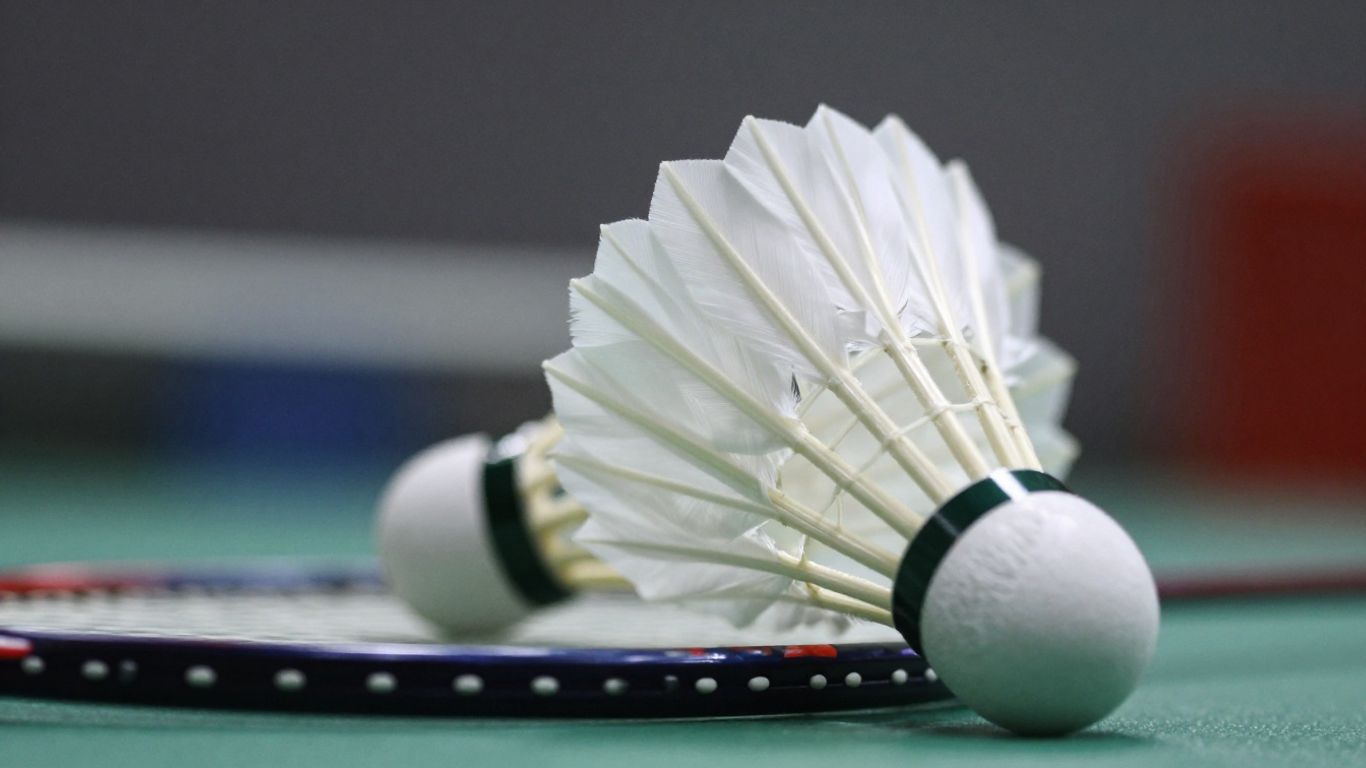
So, you’ve learned about the different types of shuttlecocks and rackets, and what makes them tick. Now comes the part where you actually pick what’s going to end up in your bag. It’s not just about grabbing the first thing you see, though. Think of it like choosing a partner for a dance – you want something that fits your rhythm and helps you look good on the court.
Brand Reputation and Quality
When you’re looking at shuttlecocks and rackets, you’ll notice some names pop up a lot. Brands like Yonex, Li-Ning, and RSL have been around for ages, and there’s a reason for that. They generally put out consistent products. For shuttlecocks, this means you’re more likely to get a reliable flight path and durability, whether you’re going for a fancy feather one or a more sturdy nylon option. With rackets, a good brand often means better materials and construction, which can translate to a racket that feels right in your hand and lasts longer. It’s not always about the flashiest logo, but sticking with reputable brands can save you headaches down the line. You can find some great shuttlecock options from well-known names that are mindful of your budget, like the Lingmei 80 and Lingmei 70 [fe21].
Budget Considerations
Let’s be real, gear can get expensive. You’ve got to figure out what you’re willing to spend. If you’re just starting out or playing casually, you don’t need the absolute top-of-the-line stuff. A good set of nylon shuttlecocks and a beginner-friendly racket will do just fine. These are usually more forgiving and easier on the wallet. As you get better and play more seriously, you might find yourself wanting to invest in higher-quality feather shuttlecocks for matches or a more advanced racket. It’s a balancing act. You want equipment that helps you play your best without breaking the bank. Remember, even a beginner can benefit from the right equipment [7fb3].
Testing and Trying Equipment
This is probably the most important step. Reading reviews and looking at specs is one thing, but how does it actually feel? If you can, try to test out different shuttlecocks and rackets before you buy. See if your club has demo rackets you can borrow, or if friends have gear they’re willing to let you try for a few points. Pay attention to how the shuttlecock flies – does it drop too fast, or does it float too much? How does the racket feel when you swing it? Is the grip comfortable? Does it feel balanced for your style of play? Sometimes, a racket that looks great on paper just doesn’t click with you personally. Don’t be afraid to experiment a little to find what truly suits your game.
Storing your equipment properly is also key to making it last. Keep shuttlecocks in a cool, dry place away from direct sun, and store your racket so it doesn’t get banged around. Good care means your gear will perform better for longer, saving you money and hassle in the long run.
Wrapping It Up: Your Badminton Gear Game Plan
So, you’ve learned a bit about picking the right shuttlecock and racket. It might seem like a lot at first, but really, it just comes down to what feels good for you and how you like to play. Whether you’re smashing it hard or playing a more relaxed game, getting the right gear makes a big difference. Don’t be afraid to try a few things out – maybe borrow a racket from a friend or test different shuttlecocks. In the end, the best equipment is the stuff that helps you have more fun on the court and play your best game. Happy hitting!
Frequently Asked Questions
What’s the difference between feather and plastic shuttlecocks?
Feather shuttlecocks are like the fancy ones used in pro games. They fly really smoothly and fast, but they’re more delicate and costlier. Plastic shuttlecocks, on the other hand, are tougher and cheaper, making them awesome for casual games or if you’re just starting out. They don’t fly quite as smoothly but last a lot longer.
Which shuttlecock is best for beginners?
If you’re new to badminton, a plastic shuttlecock is usually your best bet. They’re built to last, so you won’t have to worry about breaking them easily. Plus, they tend to fly a bit slower, which gives you more time to get your swing right and hit the shuttlecock back.
How does the weather affect my shuttlecock?
Believe it or not, things like temperature and how humid it is can change how a shuttlecock flies. Hot, humid air can make shuttlecocks fly a bit slower and fall shorter. Cold, dry air can make them fly faster and go further. This is especially true for feather shuttlecocks.
What makes a racket good for attacking players?
If you love hitting hard smashes and playing aggressively, you’ll want a racket that’s ‘head-heavy.’ This means it has a bit more weight at the top of the racket head. That extra weight helps you swing faster and hit the shuttlecock with more power, like a cannonball!
Why might a flexible racket be better for some players?
A flexible racket is like a spring! It bends more when you swing, which helps you get more power behind your shots without needing a super-fast swing. This is great for beginners or players who don’t swing as hard, as it gives their shots an extra boost.
How important is the grip size on a badminton racket?
The grip size is super important for comfort and control. If the grip is too big, it’s hard to hold tightly. If it’s too small, you might have trouble keeping it steady. Finding the right grip size helps you hold the racket comfortably, swing smoothly, and avoid injuries.