
Want to hit harder in badminton? This guide is all about bringing more power to your game. We’ll go over the big shots, how to move around the court, and even the little things like how you hold your racket. Whether you’re just starting or have been playing for a while, learning these power badminton techniques can really change how you play.
Key Takeaways
-
Mastering the smash, especially the jump smash and different smash types, is key for winning points in power badminton.
-
Dominating the net involves precise shots, aggressive kills, and clever deception to control the rally.
-
Advanced racket techniques, focusing on swing, follow-through, and hitting the sweet spot, are vital for power badminton.
-
A strong serve, whether high, low, or a deceptive flick, sets the tone for power badminton matches.
-
Effective footwork and a stable stance are the backbone of power badminton, allowing for quick movement and powerful shots.
Unleashing Power Badminton Smashes
Alright, let’s talk about the smash. This is the shot everyone loves to hit, right? It’s that moment when you can really put some heat on the shuttlecock and, if you do it right, end the rally. But just swinging hard isn’t the whole story. There’s a bit more to it than just brute force.
Mastering The Smash Technique
So, how do you actually make a smash powerful? It’s all about how your body moves. Think of it like a whip. You don’t just flick your wrist; the whole arm and body get involved to create that speed. It starts with your waist turning, then your elbow comes forward, and finally, your wrist snaps. The key is making all these parts work together smoothly, not in separate jerky movements. If you try to do it all with just your arm, you’ll get tired fast and won’t get much power. It’s about building up that energy from your core and letting it flow all the way to the racket. A good contact point, usually in front of you, is also super important for getting that sting on the shuttle. Proper body positioning helps a lot here.
The Art Of The Jump Smash
Now, if you want to take your smash to the next level, you’ve got to consider the jump smash. This isn’t just for pros; anyone can work on it. Jumping adds height, which means you can hit down on the shuttle more steeply. This makes it much harder for your opponent to return. To do it, you need to get your timing right. You’ll typically take a few steps back and to the side, then jump up as the shuttle comes down. While you’re in the air, you do that same body rotation and wrist snap we talked about. It takes practice to get the timing down so you’re not hitting the shuttle while still going up or already coming down. It’s a bit more complex, but the payoff in terms of power and angle is huge.
Strategic Smash Variations
Smashing isn’t just about hitting it as hard as you can every single time. Sometimes, you need to mix it up. You’ve got your standard smash, sure, but you can also do a cross-court smash, angling it across the net. Or maybe a straight smash, down the line. Then there’s the deceptive smash, where you make it look like you’re going for a big smash, but you actually just tap it softly or change the angle at the last second. This keeps your opponent guessing. Knowing when to use which smash depends on where your opponent is on the court and what kind of return they’re likely to give you. It’s about thinking ahead and using the smash as a tool, not just a weapon. Building a powerful kinetic chain is key to developing this ultimate weapon in your badminton game as explained in this guide.
Here are some common mistakes to watch out for:
-
Relying too much on just your arm.
-
Not using your wrist properly for that extra snap.
-
Bad timing – hitting too early or too late.
-
Not moving your feet well to get into the right position.
-
Forgetting to move your elbow first to set up the wrist.
Avoiding these common errors will make a big difference in how effective your smashes are. It’s easy to fall into these habits, but being aware of them is the first step to fixing them. Focus on the whole body movement and good timing, and you’ll see improvement.
Dominating The Net With Power Badminton
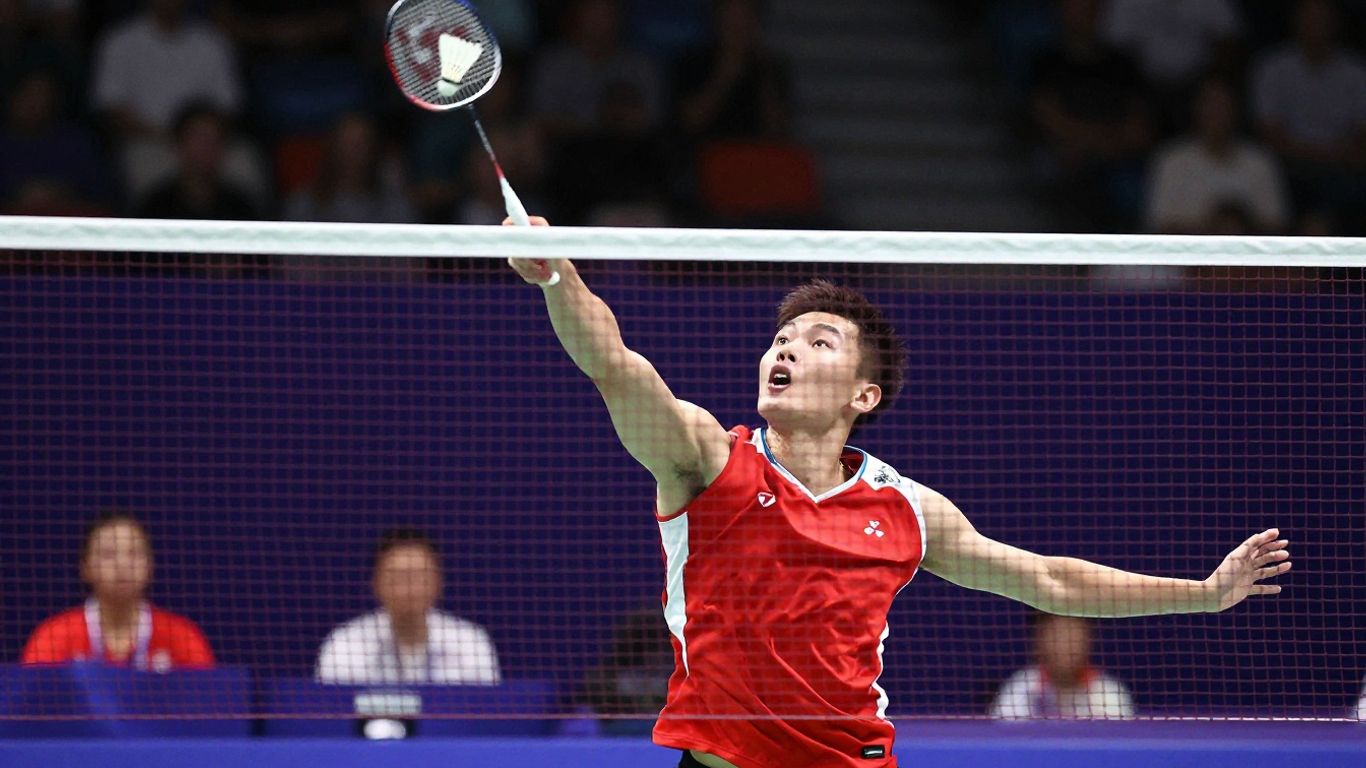
Alright, let’s talk about the net. This is where things get really interesting, and honestly, a bit intense. It’s not just about tapping the shuttlecock over; it’s about controlling the game right at the front of the court. If you can boss the net, you’re putting a ton of pressure on your opponent.
Precision Net Shots
This is all about finesse. You want to place the shuttlecock so it just barely clears the net, making it super tough for your opponent to attack. Think of it as a delicate nudge, not a forceful hit. The goal is to force them into an awkward position or make them hit a weak return.
Here’s a quick rundown on getting those tight net shots right:
-
Grip: Loosen your grip slightly. You need that flexibility for touch.
-
Swing: A short, controlled swing is key. Don’t try to smash it.
-
Contact Point: Hit the shuttlecock in front of your body, just as it starts to drop.
-
Angle: Aim for that tiny space between the net and your opponent’s racket.
Aggressive Net Kills
Sometimes, you get a chance to end the rally right at the net. This is the net kill. It’s fast, it’s decisive, and it can be a real point-winner. You’re basically hitting down on the shuttlecock with a lot of force.
-
Timing is Everything: You need to be quick. The shuttlecock needs to be high enough for you to hit downwards.
-
Power: Use your wrist and forearm to generate speed. It’s a sharp, punching motion.
-
Placement: Aim for the corners or straight down. Don’t give them an easy angle back.
The fastest net kill ever recorded was incredibly quick, showing just how decisive this shot can be. It’s a move that can really demoralize an opponent if you pull it off consistently. Mastering these aggressive plays is a big part of effective badminton net play.
Deceptive Net Play
This is where you mess with your opponent’s head. You want to make them think you’re going to do one thing, and then do another. It’s all about disguise and making them guess.
-
Fake a Drop: Make your body language suggest a soft shot, then flick it hard.
-
Change Direction: Look like you’re hitting crosscourt, then go straight.
-
Vary Your Pace: Mix in slow, floaty shots with quick, sharp ones.
Being unpredictable at the net is a huge advantage. It forces your opponent to constantly second-guess their movements and positioning, opening up opportunities for you to win points. It’s like a chess match, but with a shuttlecock.
Getting good at net play takes practice, but it’s totally worth it. It’s a skill that can really change the dynamic of a match and help you control the game. For more on improving your overall game, check out essential badminton techniques.
Advanced Racket Techniques For Power Badminton
Alright, so you’ve got the basics down, you’re moving around the court okay, and your grip isn’t actively hurting your hand anymore. That’s great! But if you’re looking to really make your shots count, to put some serious heat on the shuttlecock, we need to talk about how you’re actually swinging that racket. It’s not just about hitting the bird; it’s about how you hit it. This is where the real fun begins, turning those decent shots into winners.
Harnessing Swing Technique
Think of your swing like a whip. It starts slow and controlled, then builds speed right at the point of impact. A lot of players just sort of push at the shuttle, and that’s never going to generate much power. You need to get your whole body involved. Your shoulder, your torso, and your arm all work together. The racket head speed is what matters most, and that comes from a fluid, coordinated motion, not just muscling it.
Here’s a quick breakdown of what to focus on:
-
Body Rotation: Twist your torso away from the shuttle, then snap it forward as you swing. This is where a lot of your power comes from.
-
Arm Extension: Don’t keep your arm bent the whole time. Extend it fully through the shot, especially on overheads.
-
Racket Head Speed: This is the goal. Practice drills that focus on accelerating the racket head just before you make contact.
The Importance Of Follow-Through
This is something people often forget, but it’s a big deal. After you hit the shuttle, don’t just stop your swing. Let your arm and racket continue moving in the direction of the shot. A good follow-through helps you maintain control, adds a bit more power, and also helps prevent injuries. It’s like the exclamation point on your shot. If you stop your swing abruptly, you’re cutting off potential power and control.
A proper follow-through isn’t just about looking good; it’s about completing the kinetic chain of your swing. It ensures that all the energy you generated is transferred efficiently into the shuttlecock and helps guide it accurately to your target. Without it, you’re essentially leaving power on the table and risking a less controlled shot.
Achieving Sweet Spot Contact
Every racket has a sweet spot, that magical area on the strings where you get the most power and control. Finding it consistently is key. It’s usually a bit higher up on the stringbed for overhead shots. When you hit the shuttle on the sweet spot, it feels different – more solid, more responsive. If you’re constantly hitting the shuttle off-center, you’re going to lose a lot of power and accuracy. Experiment with different racket weights and balances to see what feels best for you; finding the right badminton racket can make a huge difference.
Here’s a simple way to think about it:
-
Listen: Does the hit sound crisp and solid, or dull and mushy?
-
Feel: Does the racket feel stable, or does it twist a lot in your hand?
-
Watch: Where does the shuttle go? Is it going where you intended?
Getting that perfect contact takes practice, but once you start hitting the sweet spot more often, you’ll notice a big jump in your game. It’s all about refining those small details that add up to big results, especially if you’re aiming for those powerful shots that can win you points. If you’re looking for rackets that are built for power, check out some of the top rackets for power available.
Developing A Powerful Badminton Serve
The serve in badminton is your first offensive opportunity in a rally. It’s not just about getting the shuttlecock over the net; it’s about setting the tone and potentially winning the point right away. A good serve can put your opponent on the defensive from the get-go, and mastering different types of serves is key to keeping them guessing.
Mastering The High Serve
The high serve, often called the “clear serve,” is a classic. Its main purpose is to send the shuttlecock high and deep into the opponent’s back court. This gives you time to recover your position and can force your opponent into a defensive stance, making their return weaker. To execute it well:
-
Stance: Stand behind the service line, feet shoulder-width apart, with your non-racket foot slightly forward.
-
Toss: Toss the shuttlecock slightly in front of your body and to the side, allowing you to swing naturally.
-
Swing: Use a full, sweeping motion, bringing the racket up and over your head. Aim to hit the shuttlecock at the highest point you can comfortably reach.
-
Contact: Make clean contact with the shuttlecock, focusing on driving it upwards and forwards.
Executing The Low Serve
The low serve is a more tactical shot, designed to land just over the net, forcing your opponent to play it from a low position. This is particularly effective in doubles, where it can exploit gaps between players. The key here is delicacy and control.
-
Placement: Aim for the front service line. The shuttlecock should just clear the net.
-
Swing: Use a shorter, more controlled swing. Think of it as a gentle push or flick rather than a full swing.
-
Angle: A slight angle can make it harder for your opponent to attack directly.
The goal of a low serve is to make your opponent bend low to return it, limiting their attacking options.
The Deceptive Flick Serve
This serve is all about surprise. You make it look like you’re going for a low serve, but at the last moment, you flick your wrist and racket to send the shuttlecock high and deep, much like a high serve. It’s a great way to catch an opponent off guard who might be anticipating a weak return.
-
Disguise: Your preparation and initial swing should mimic a low serve.
-
The Flick: A quick, sharp wrist action at the point of contact is what generates the unexpected power and height.
-
Timing: This requires good timing and practice to execute effectively without giving away your intention too early.
Serving is the start of every point, and a strong, varied serve can give you a significant advantage. Don’t just hit it over; think about where you want it to go and what you want your opponent to do. Practicing these different serves will make you a much tougher player to play against, and it’s a great way to start dominating the net.
Here’s a quick look at serve types and their general aims:
|
Serve Type |
Primary Goal |
Key Characteristic |
|---|---|---|
|
High Serve |
Force opponent back, gain recovery time |
High trajectory, deep |
|
Low Serve |
Force opponent low, limit attack options |
Low trajectory, short |
|
Flick Serve |
Surprise opponent, exploit anticipation |
Deceptive, sudden change |
Mastering these serves is a vital step in developing your overall game and can significantly improve your badminton serve effectiveness.
Mastering Badminton Footwork And Stance
Your feet are your foundation on the court. Without good footwork and a solid stance, even the best racket skills won’t get you far. It’s all about being in the right place at the right time, ready to hit the shuttlecock effectively. Think of it as a dance, but with a lot more running and jumping.
Agile Court Coverage
Being able to move quickly and efficiently across the court is key. This means not just running fast, but moving smart. You want to cover as much ground as possible with the fewest steps, always trying to get back to a central position after each shot. This allows you to be ready for whatever your opponent throws at you next. Drills that focus on moving to the corners and then recovering are super helpful here. It’s about building that muscle memory so your feet just know where to go.
The Explosive Lunge
When the shuttlecock is low and to your side, you’ll often need to perform a lunge. This isn’t just a simple step; it’s an explosive movement. You push off with your back leg and extend your front leg forward, keeping your balance and reaching for the shuttle. The goal is to get as low as possible while maintaining control. A good lunge allows you to hit a powerful shot even when you’re stretched out. Remember to keep your back straight and your hitting arm free.
Dynamic Shuffle Steps
Shuffle steps are your bread and butter for moving side-to-side. Instead of crossing your feet, which can make you lose balance, you slide them. One foot pushes off while the other slides to meet it, keeping you balanced and ready. This is especially important when you’re moving to the front or back of the court, or when you need to adjust your position quickly after a shot. Practicing these steps will make your movement feel much smoother and more controlled. Good footwork makes all the difference in your game.
Your stance is also super important. You want to be balanced, with your knees slightly bent. This allows you to move in any direction quickly. Whether you’re preparing for a smash or a drop shot, a stable stance gives you the power and control you need. Don’t stand stiff; stay loose and ready.
Here’s a quick look at some common footwork patterns:
-
Ready Stance: Knees bent, feet shoulder-width apart, weight slightly forward.
-
Forward Movement: Usually involves a few shuffle steps followed by a lunge if needed.
-
Backward Movement: Often starts with a small step back, followed by shuffle steps or a crossover step if moving far back.
-
Recovery: After hitting a shot, quickly move back towards the center of the court using shuffle steps to be ready for the next shot. This is a key part of effective court coverage.
Mastering these movements takes time and practice, but it’s totally worth it. It’s the secret weapon that lets you play those fundamental badminton shots with confidence and power.
Refining Your Badminton Grip
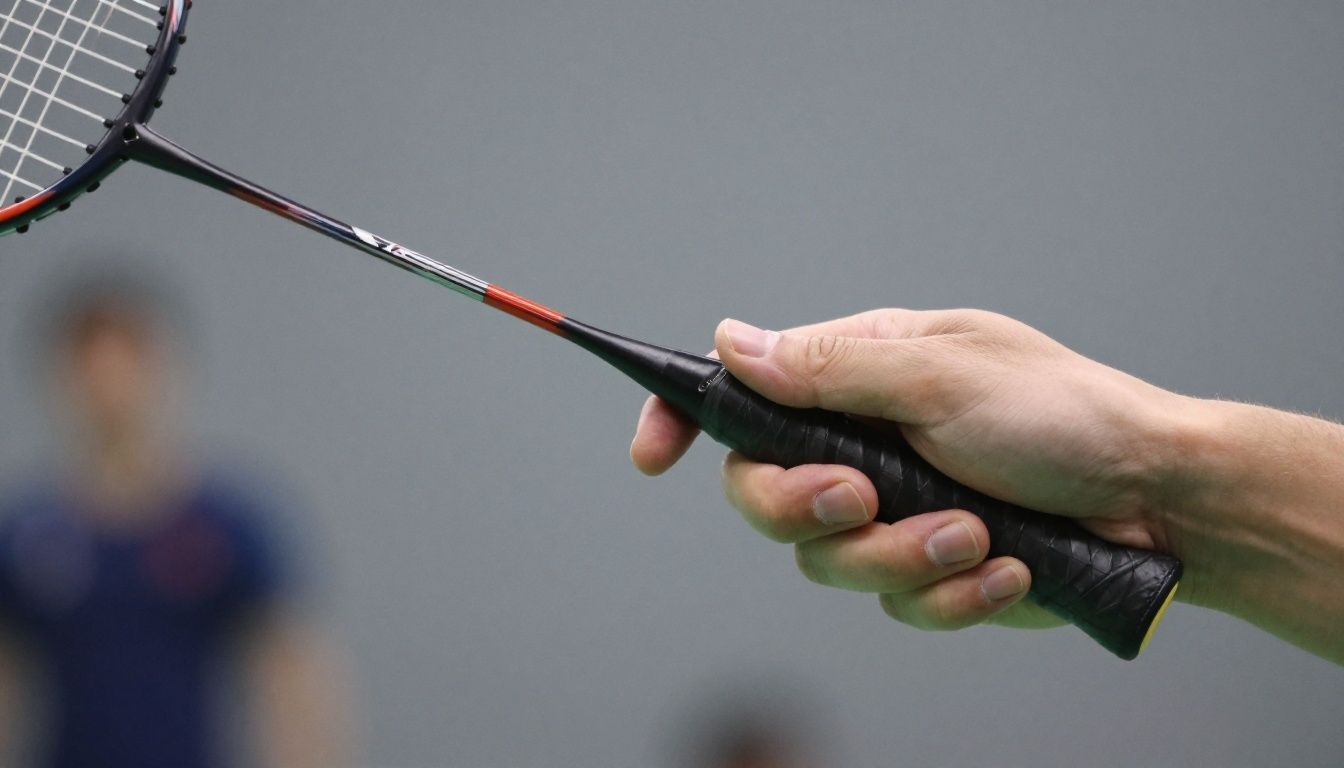
Your grip in badminton is like the steering wheel for your racket. It’s how you connect with the shuttlecock, and getting it right makes a huge difference in your power and control. Think of it as the foundation for all your shots. If your grip is off, even your best swing won’t hit its full potential.
Finding Your Ideal Grip Style
There isn’t just one way to hold a badminton racket. Different situations call for different grips. The most common one is the forehand grip, which is a good starting point for most shots. You want to hold the racket so that your thumb and index finger form a ‘V’ shape on the handle, and the rest of your fingers wrap around it comfortably. It should feel natural, not strained. Experimenting is key here; what feels right for one player might not for another. A relaxed grip is often better than a death grip, allowing for more wrist action. This allows for greater wrist flexibility.
Grip For Control and Power
When you’re hitting a powerful smash, you’ll naturally want to tighten your grip just before impact. This is where you transfer all that energy. But between shots, it’s smart to loosen up a bit. A tight grip all the time can make your wrist stiff and slow down your reactions. For delicate net shots, you might use a slightly different, lighter grip to get that fine touch. It’s all about adjusting on the fly.
Adapting Grip For Different Shots
Here’s a quick look at how your grip might change:
-
Forehand Grip: The standard grip, good for most shots. Hold it like you’re shaking hands with the racket.
-
Backhand Grip: For backhand shots, you’ll often rotate your hand slightly so your thumb is more on the side of the handle. This gives you more power and reach on that side.
-
Net Play Grip: Often a more neutral or slightly modified forehand grip, allowing for quick adjustments and delicate touches.
Getting your grip dialed in takes practice. Don’t get discouraged if it feels awkward at first. Keep trying different ways, and pay attention to how it affects your shots. Small adjustments can lead to big improvements on the court.
Remember, your grip is your direct link to the shuttle. Mastering the subtle art of grip adjustment is a game-changer for any serious badminton player.
Keep Playing, Keep Improving
So, that’s a wrap on our deep dive into power badminton techniques. We’ve covered a lot, from getting the basics right with your grip and footwork to really nailing those powerful smashes and tricky net shots. Remember, just reading about it isn’t the same as doing it. The real magic happens on the court. Keep practicing these moves, don’t be afraid to try new things, and most importantly, have fun out there. Badminton is a fantastic sport, and the more you play, the better you’ll get. Keep at it, and you’ll definitely see your game get stronger.
Frequently Asked Questions
What’s the best way to hit a really hard smash in badminton?
To smash hard, don’t just swing your arm! Use your whole body, like turning your shoulders and hips. Make sure you hit the shuttle when it’s high up. Also, practice snapping your wrist just as you hit it. It’s like cracking a whip!
How can I get better at hitting shots near the net?
For net shots, think about being gentle and precise. You want to barely lift the shuttle over the net. Practice using just your wrist and fingers to control the racket. This helps you place the shuttle exactly where you want it, making it tough for your opponent.
What’s the fastest way to move around the court in badminton?
Good footwork is super important! Use quick steps, like shuffling sideways, to cover the court. When you need to reach a far shot, do a big lunge. The key is to always be balanced and ready to move again right after you hit the shuttle.
Why is my grip on the racket so important?
Your grip is how you connect with the racket. A good grip lets you control the racket well and hit with power. Try different ways of holding it to see what feels best for you. It should feel firm but not too tight, so you can move your wrist freely.
What are the different types of serves, and when should I use them?
There’s the high serve, which sends the shuttle high and deep to push your opponent back. Then there’s the low serve, which just clears the net and lands close to your opponent. The flick serve looks like a low serve but suddenly goes high and fast. Use them to surprise your opponent!
What’s the biggest mistake players make when trying to smash?
A common mistake is using only arm strength. The real power comes from your body’s rotation and good timing. Also, many players forget to snap their wrist at the last second, which adds a lot of speed. Make sure your footwork is good too, so you’re in the right spot.