
So, you’re into badminton and want to get better, right? We all want to hit those winners and feel like a pro. But sometimes, the gear we use can really make or break our practice. Today, we’re talking about shuttlecocks, specifically the feather kind. They might seem simple, but they’ve got some serious advantages for anyone looking to step up their game. Let’s dive into why these little feathered projectiles are so important for reaching your peak badminton performance.
Key Takeaways
-
Feather badminton shuttlecocks offer superior flight dynamics and a natural feel, making them ideal for serious players.
-
Advanced training tools, like rebound trainers, can significantly speed up skill development by providing consistent practice.
-
Compared to synthetic options, feather shuttlecocks provide better feedback and a more authentic aerodynamic experience.
-
Choosing the right feather badminton shuttlecock involves looking at material quality and understanding its flight characteristics for your play style.
-
Consistent, structured practice with quality feather badminton shuttlecocks helps build muscle memory and improve reaction times for all skill levels.
The Unrivaled Flight Dynamics Of Feather Badminton Shuttlecocks
Precision Engineering In Every Feather
When you hold a feather shuttlecock, you’re holding a piece of natural engineering. Each shuttle is made from about 16 goose feathers, carefully selected and arranged. The way these feathers are cut and glued to the cork base is super important. It’s not just random; it’s designed to make the shuttle fly just right. This precise construction is what gives feather shuttles their unique flight characteristics. The natural curve and stiffness of each feather play a big role in how the shuttle behaves in the air. It’s a delicate balance that synthetic shuttles just can’t quite replicate.
Consistent Trajectory For Advanced Play
For players who are serious about their game, consistency is everything. Feather shuttlecocks offer a predictable flight path that you can learn to rely on. Unlike some synthetic options that can wobble or curve unexpectedly, a good feather shuttle will travel in a straight line before dropping. This aerodynamic signature allows advanced players to execute complex shots with confidence, knowing how the shuttle will respond. It’s this reliability that makes them the go-to choice for competitive play and serious training sessions. You can really start to feel the game when the equipment behaves as expected, letting you focus on your technique rather than fighting the shuttle’s flight. Experimental studies show how shuttlecock trajectories differ from simple projectile paths, highlighting the complex physics at play [39af].
Natural Materials For Authentic Feel
There’s just something about the feel of a feather shuttlecock that you don’t get with plastic. The way it hits the strings, the sound it makes, and the way it floats through the air all contribute to an authentic badminton experience. This natural feel is important for developing proper technique and understanding the nuances of the game. It’s like the difference between playing a real piano and a digital keyboard; both make music, but the feel is distinct. This connection to natural materials helps players develop a better feel for the game, which is hard to measure but easy to notice when you play.
The subtle differences in feather quality and construction mean that even among feather shuttles, there’s a range of performance. Top-tier shuttles use premium feathers that are more uniform in shape and stiffness, leading to even more consistent flight and durability. This attention to detail is what separates a good shuttle from a great one.
Mastering The Game With Advanced Shuttlecock Training
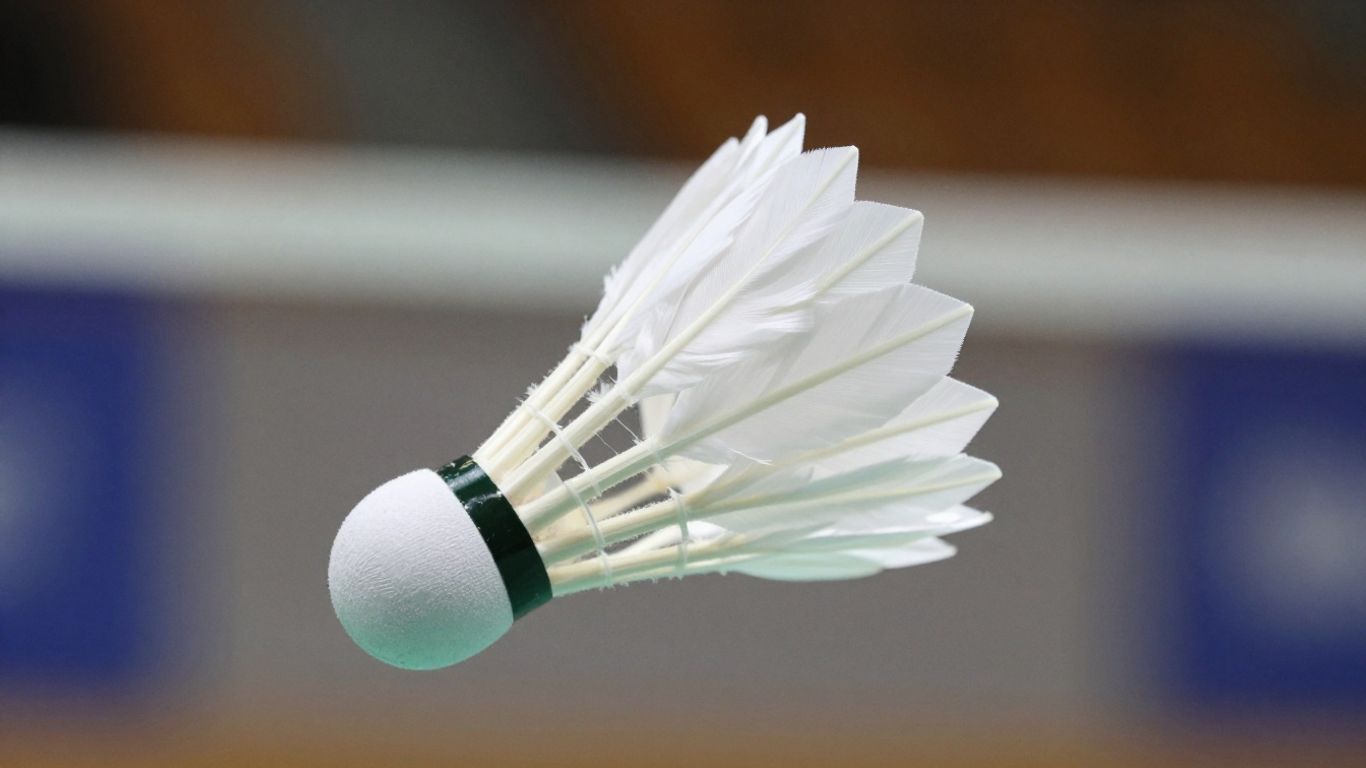
So, you’ve got your eye on improving your badminton game, right? It’s not just about showing up for matches. To really get better, you need smart practice. And when it comes to solo training, there’s a game-changer: advanced shuttlecock trainers. These aren’t your grandpa’s dusty old rebounders. We’re talking about gear that mimics real game scenarios, helping you build muscle memory and refine your technique without needing a partner.
Solo Practice With Rebound Trainers
Forget hitting against a wall or having someone endlessly toss shuttles your way. Those methods can be rough on your gear and your body, and honestly, they don’t give you the consistent feedback you need. A good rebound trainer, however, is designed for precision. It uses things like adjustable cords and internal mechanisms to send the shuttlecock back to you with predictable trajectories. This means you can focus on your swing, your footwork, and your shot placement, over and over again. The key is consistent input leading to refined motor responses. It’s like having a patient training partner who never gets tired and always returns the shuttle exactly as you need it.
Here’s a quick look at what makes these trainers so effective:
-
Adjustable Tension: You can tweak the resistance to simulate different types of shots, from soft defensive returns to powerful clears. This variety keeps your training dynamic.
-
Predictable Returns: The shuttlecock comes back within a tight angle range, allowing you to anticipate and react, building that crucial split-second decision-making.
-
Multidirectional Trajectory: By adjusting your swing angle and wrist action, you can make the shuttle return in various ways, mimicking different rally situations.
Simulating Real Game Scenarios
This is where things get really interesting. The better trainers out there are built using data from actual pro games. They analyze how shuttles fly after different shots and replicate those patterns. So, when you hit a certain way, the shuttle comes back in a way that feels like a real rally. It’s not just a simple bounce; it’s a simulated return that challenges you to move, react, and play your shot. This kind of practice helps you prepare for the unexpected, which is a huge part of badminton. You’re not just hitting a shuttle; you’re learning to play the game.
The physics engineered into these devices are designed to mirror the aerodynamic signatures of feather shuttlecocks, providing a realistic feel that synthetic options often miss. This allows for a more authentic training experience, bridging the gap between practice and actual match play.
Accelerating Skill Development
When you combine consistent practice with realistic simulations, your progress speeds up. Instead of spending hours trying to get a partner to hit the shuttle just right, you can get hundreds of quality reps in a short amount of time. This repetition helps build strong neuromuscular pathways. You’ll start to notice improvements in your reaction time, your accuracy, and your overall confidence on the court. It’s about making every practice session count, turning simple swings into ingrained skills that show up when it matters most. For anyone looking to seriously improve their game, investing in this kind of training tool is a smart move. It’s a direct path to maximizing force when striking the shuttlecock.
|
Training Focus |
Traditional Method |
Advanced Trainer |
|---|---|---|
|
Repetition Consistency |
Low (Partner Dependent) |
High (Machine Controlled) |
|
Shot Variety |
Limited (Partner Skill) |
High (Adjustable Settings) |
|
Realism |
Moderate |
High (Data-Driven Design) |
|
Injury Risk |
Moderate (Erratic Returns) |
Low (Controlled Returns) |
Why Feather Shuttlecocks Outperform Alternatives
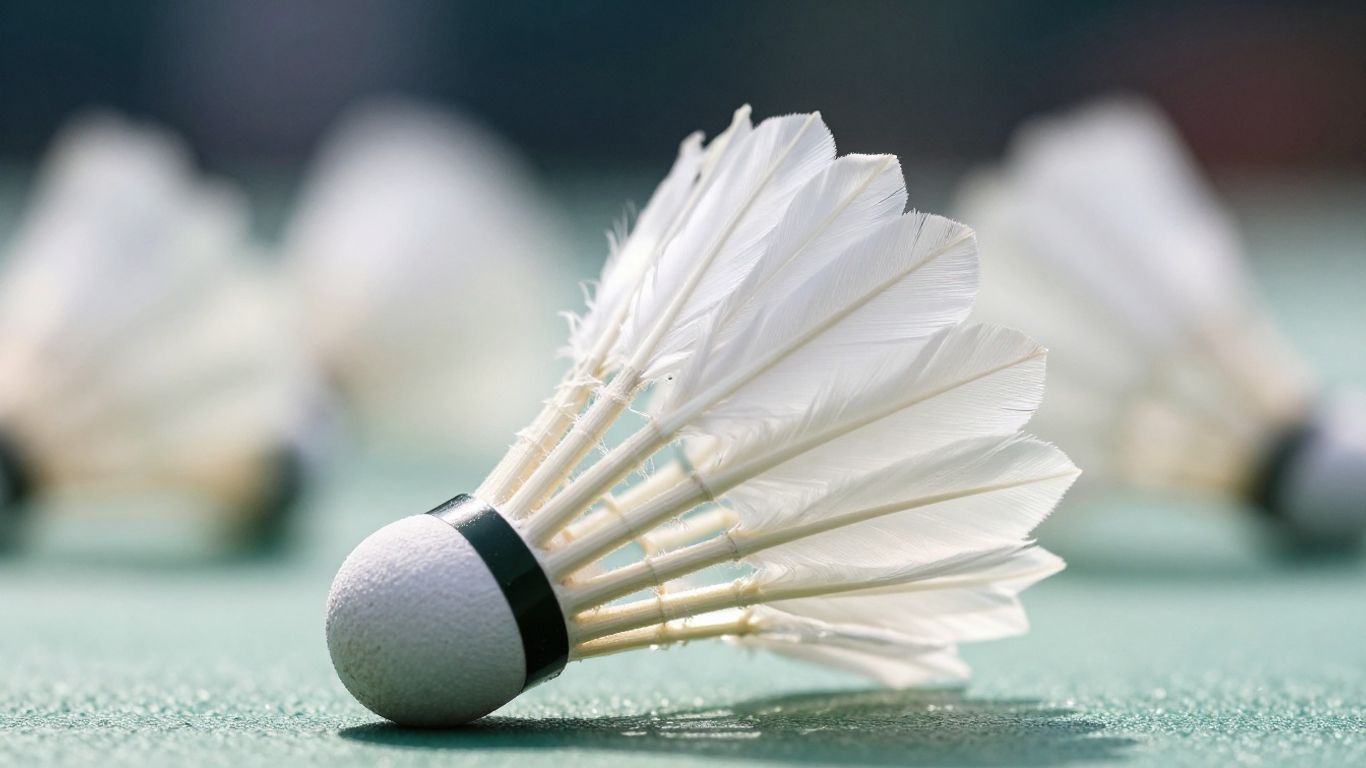
When you’re really trying to get good at badminton, the kind of shuttlecock you use matters. Sure, there are synthetic options out there, and they have their place, but for serious players, nothing beats a good old-fashioned feather shuttlecock. They just feel different, you know? More alive.
Superior Repeatability and Feedback
One of the biggest differences is how feather shuttles behave. They’re made from natural goose or duck feathers, and each one is a little unique. This means they fly in a way that’s hard for synthetics to copy. When you hit a feather shuttle, it tends to have a more consistent flight path and a predictable drop. This is super important for training. You get better feedback on your shots because you can see exactly where you hit it and how it flew. It’s like the shuttle tells you more about your swing. Synthetic shuttles can be a bit all over the place, making it harder to tell if you messed up your shot or if the shuttle just did something weird.
Durability Beyond Synthetic Options
Now, people sometimes say feather shuttles aren’t durable. And yeah, compared to a plastic shuttle that can last for ages, a feather one will eventually get damaged. But here’s the thing: for the kind of play where you’re really trying to improve, a feather shuttle actually lasts longer in terms of performance. A synthetic shuttle might not break, but its flight can change over time. The plastic can warp, or the skirt can get bent out of shape. A feather shuttle, even when it starts to fray a bit, often keeps its flight characteristics for a good while. You get about 10-30 minutes of intense play before they really start to show wear [b45c]. It’s a different kind of durability – it’s about maintaining that authentic feel and flight for your practice sessions.
Authentic Aerodynamic Signatures
This is where feather shuttles really shine. They have this natural aerodynamic quality that’s tough to replicate. The way the feathers bend and flex as the shuttle moves through the air creates a unique flight pattern. It’s not just about speed; it’s about how the shuttle decelerates and spins. This is what players feel when they hit the shuttle – that subtle difference in how it cuts through the air. It’s this authentic feel that helps players develop better touch and control. When you’re practicing, especially if you’re using equipment that mimics real game conditions, this accurate feedback is what helps your brain learn the right movements. It’s like the shuttle is giving you a true representation of your swing, not a distorted one.
The consistent, predictable flight of a feather shuttlecock provides invaluable sensory input. This allows players to develop a more intuitive feel for the game, refining their technique through repeated, accurate feedback rather than guesswork. It’s this direct connection between action and consequence that accelerates skill acquisition.
Choosing The Right Feather Badminton Shuttlecock
So, you’ve decided to go with the real deal – feather shuttlecocks. Smart move. But walking into a shop or browsing online, you’ll see a bunch of them, and it can get a little confusing. Not all feather shuttles are created equal, and picking the right one makes a big difference in your game.
Identifying Quality Materials
When you’re looking for a good feather shuttlecock, the first thing to check is the feathers themselves. You want to see clean, consistent goose or duck feathers. They should look uniform, with no obvious tears or rough edges. The base, usually made of cork, is also important. A solid, well-attached cork base means the shuttle will fly true.
-
Feather Quality: Look for consistent shape and size, with no damage.
-
Cork Base: Should be firm, well-seated, and free from cracks.
-
Adhesion: Feathers should be securely attached to the base.
Understanding Flight Performance Metrics
Shuttlecocks have a speed rating, usually a number like 76, 77, or 78. This number tells you how fast the shuttle will travel through the air after being hit. The right speed depends on your playing environment and personal preference. A slower shuttle might be better for indoor play with less air movement, while a faster one could suit outdoor conditions or a more aggressive playing style. It’s all about finding that sweet spot for your game. You can find shuttlecock speed indicated by numbers like 76, 77, or 78 printed on the tube [5483].
Here’s a quick look at how speed can affect your game:
|
Speed Rating |
Typical Use Case |
|---|---|
|
75-76 |
Slower rallies, indoor play, beginner practice |
|
77-78 |
Faster play, competitive matches, advanced training |
|
79+ |
Very fast, often for specific indoor conditions |
Durability For Frequent Use
Feather shuttlecocks, while offering superior flight, can be more delicate than their synthetic counterparts. However, higher-quality feather shuttles are built to last longer, especially for regular practice sessions. If you’re playing often, investing in shuttles known for their durability means you won’t be going through tubes as quickly. Some brands specifically design their shuttles for frequent use, balancing performance with longevity. Selecting the correct shuttlecock involves considering its type and speed, which should suit your playing style and the conditions of the hall where you play [8200].
When you’re choosing, think about how much you play. If it’s just a casual game now and then, maybe a mid-range option is fine. But if you’re hitting the court multiple times a week, spending a bit more on a shuttle known for its toughness will save you money and frustration in the long run. It’s about getting the most bang for your buck while still enjoying that authentic feather flight.
The Science Behind Feather Shuttlecock Performance
It’s easy to just hit a shuttlecock and expect it to fly right, but there’s actually a lot of science packed into those little things, especially the feathered ones. They aren’t just random bits of fluff attached to a cork. Think about how a shuttlecock moves through the air. It’s designed to slow down quickly and have a stable flight path, which is pretty different from, say, a tennis ball. This unique behavior is thanks to the specific way the feathers are arranged and their natural properties. The cone shape created by the feathers is key to its aerodynamic signature.
Neuroplasticity and Motor Response
When you’re practicing, especially with something that gives you consistent feedback, your brain is doing some serious work. It’s like your brain is learning a new language, but instead of words, it’s learning movements. Every time you hit the shuttlecock and it comes back in a predictable way, your brain is making connections. This process, called neuroplasticity, means your brain can actually change and adapt based on your experiences. Consistent practice with a reliable shuttlecock helps build these pathways faster. You start to anticipate the shuttle’s movement without even thinking about it.
-
Consistent Input: Your brain learns best when it gets the same kind of information over and over. This helps it figure out the best way to react.
-
Motor Skill Refinement: Repeated, accurate feedback helps fine-tune your muscle memory, making your shots more precise.
-
Anticipation Development: As your brain gets better at predicting the shuttle’s path, your reaction time improves.
Physics Engineered For Badminton
Shuttlecocks are a neat example of physics in action. Unlike a ball that might spin unpredictably, a shuttlecock is designed to be stable. The feathers create drag, which slows it down, but they also help it fly straight. This is why a feather shuttlecock has a different feel and flight path compared to synthetic ones. The way the feathers flare out at the bottom is crucial for this stability. It’s a clever bit of engineering that makes the game what it is. The specific design helps ensure they fly straight and true, a testament to the physics involved in their trajectory [5d21].
Reverse-Engineering Pro Player Data
Scientists and coaches often look at how professional players hit the shuttlecock. They analyze videos, track speeds, and study angles to understand what makes a perfect shot. This data helps them figure out the ideal characteristics for shuttlecocks. For instance, they might study how different shuttlecocks perform at high speeds – how much drag they create, how stable they are on impact. This information is then used to design and improve shuttlecocks, making sure they match the demands of high-level play. It’s like taking the best moves from the pros and building the tools that allow anyone to practice them effectively. The goal is to create a shuttlecock that behaves predictably, allowing players to focus on their technique rather than fighting an unpredictable object. This is why natural feather shuttlecocks often have a more authentic aerodynamic signature [d39f].
The consistent flight and predictable deceleration of a well-made feather shuttlecock are not accidental. They are the result of careful material selection and design that works with, not against, the laws of physics. This allows players to develop a more intuitive feel for the game.
Investing In Your Badminton Journey
Benefits For Beginners And Advanced Players
No matter where you are on your badminton path, investing in quality gear, especially good shuttlecocks, makes a real difference. For beginners, it’s about building a solid foundation. Using shuttlecocks that fly predictably helps you learn the correct swing and aim without getting frustrated by erratic flight paths. It’s like learning to write with a good pen instead of one that skips – you focus on forming the letters, not fighting the tool. For advanced players, the benefits are about refinement. The subtle differences in how a feather shuttlecock behaves allow for more nuanced shot-making and better feedback on technique. This attention to detail is what separates good players from great ones.
The Value Of Structured Practice
Playing games is fun, but structured practice is where real improvement happens. Think about it: if you just hit balls randomly, you’re not really working on specific skills. Using tools like a shuttlecock rebound trainer can be a game-changer for solo practice. These trainers provide consistent returns, letting you focus on your footwork, racket control, and timing without needing a partner. It’s about getting hundreds of repetitions in a short amount of time, drilling those movements until they become second nature. This kind of focused repetition is key to developing muscle memory and quick reactions. It’s a smart way to spend your practice time, making every minute count.
Unlocking Latent Potential
Sometimes, you hit a plateau in your game. You practice, you play, but you don’t seem to be getting any better. This is often where investing in better equipment and smarter training methods pays off. High-quality feather shuttlecocks provide the authentic feel and flight characteristics that help you understand the game at a deeper level. When you can consistently feel how the shuttlecock reacts to your shots, your brain starts to make better adjustments. It’s a feedback loop that accelerates learning. It’s not just about hitting the shuttlecock harder; it’s about hitting it smarter, with more control and precision. This journey of improvement is continuous, and the right tools help you keep moving forward.
Here’s a quick look at how different practice methods stack up:
-
Game Play: Fun, good for strategy, but can be inconsistent for skill drilling.
-
Partner Drills: Excellent for simulating game situations, but relies on partner availability and skill.
-
Solo Rebound Trainers: Great for consistent repetition, footwork, and timing. Allows focused practice anytime.
The consistent input from a well-designed training aid allows your nervous system to learn optimal responses more efficiently than random practice. It’s about building reliable motor patterns through repetition.
So, What’s the Verdict?
Look, we’ve talked a lot about how shuttlecocks fly and why some are just better. It’s not just about hitting the shuttle; it’s about how it behaves after you hit it. The fancy ones, the feather ones, they just do their own thing in the air in a way that plastic ones can’t quite copy. If you’re serious about getting better at badminton, whether you’re just starting out or you’ve been playing for years, using good shuttlecocks makes a real difference. It helps your brain and your body learn the right moves faster. So, ditch the cheap stuff and give yourself the best chance to play your best game. Your racket will thank you, and so will your score.
Frequently Asked Questions
Why are feather shuttlecocks better than plastic ones?
Feather shuttlecocks are made from real feathers, which makes them fly more like they do in a real game. They feel more natural when you hit them and give you better feedback. Plastic shuttlecocks can be a bit wobbly and don’t always fly the same way, making it harder to get good practice.
Can I really get better at badminton by practicing by myself?
Yes, you absolutely can! Using special training tools, like a rebound trainer that sends the shuttlecock back to you, lets you practice hitting the shuttle consistently. This helps your brain and body learn the right moves without needing someone else to hit with you all the time.
How do those spinning shuttlecock practice machines work?
These machines are designed to mimic how a shuttlecock flies during a game. They use springs and cords to send the shuttlecock back to you at different angles and speeds, just like a real opponent would. It’s like having a practice partner who never gets tired and always hits the shuttle back in a way that helps you improve.
Is it worth buying fancy training gear if I’m just starting out in badminton?
Yes, it can be very helpful, especially for beginners! Learning the correct way to hit the shuttle from the start prevents bad habits from forming. These tools help you practice the right movements over and over, making it easier to build a strong foundation for your game.
What makes some shuttlecock practice tools seem fake or not work well?
Some cheaper tools might not be built well. They might have strings that tangle easily, springs that lose their bounce, or they just don’t send the shuttlecock back in a way that’s like a real game. Look for tools with individual springs for each shuttle and clear instructions on how they work to make sure they’re effective.
How does practicing with these tools actually help my brain and body?
When you practice with a tool that sends the shuttlecock back the same way every time, your brain starts to learn the best way to hit it. This is called neuroplasticity. It’s like your brain is creating a shortcut for the perfect swing, making your movements smoother and faster without you even having to think too hard about it.