
So, you want to get better at badminton, huh? Specifically, that tricky drop shot. It’s not just about hitting the shuttle softly; it’s about making your opponent think you’re going to smash them into next week, then BAM! It just kisses the net. This guide is all about making that happen. We’ll look at how to trick your opponent with your swing, get the timing just right, and even use your feet to make them chase shadows. Plus, we’ll cover some advanced moves and how to read what your opponent is even thinking. Get ready to change up your game.
Key Takeaways
- The drop shot in badminton is a deceptive shot where you fake a powerful hit but gently drop the shuttle just over the net.
- To make your drop shot convincing, your preparation and stance should look exactly like you’re about to smash.
- Controlling your body’s rotation and using a relaxed grip with wrist flexibility are key to executing a good drop shot.
- Good timing is everything; you need to hold back your swing until the very last moment before contact to keep it deceptive.
- Observing your opponent’s movement patterns and adapting your shots based on their reactions will make your drop shot more effective.
The Art Of The Badminton Drop Shot
Understanding The Deceptive Drop Shot
The badminton drop shot is more than just a gentle tap over the net; it’s a strategic masterpiece. It’s about making your opponent think you’re going to do one thing – usually something powerful like a smash – and then doing the complete opposite. This sudden change throws them off balance, often leaving them scrambling to reach a shuttle that lands just over the net. The real magic of the drop shot lies in its ability to completely disrupt your opponent’s rhythm and expectations. It’s a shot that requires finesse, timing, and a good dose of trickery. When executed well, it can win you points directly or set up easier follow-up shots.
Key Elements For Execution
To pull off a convincing drop shot, several things need to come together. It’s not just about hitting the shuttle softly; it’s about selling the idea that you’re doing something else entirely.
- Mimic the Power Shot: Your preparation and initial swing should look exactly like you’re about to hit a smash or a powerful clear. This means a full backswing, a high contact point, and a body posture that suggests force.
- Controlled Deceleration: The key difference happens at the last moment. Instead of accelerating through the shuttle, you need to decelerate your swing rapidly. This sudden stop in momentum is what makes the shot drop.
- Wrist and Finger Finesse: A relaxed wrist and controlled finger action are vital for guiding the shuttle. You’re not smashing it; you’re gently ‘placing’ it with precision.
- Angle of the Racket Face: The angle of your racket face at contact determines the trajectory. For a drop shot, you want it slightly open to lift the shuttle just over the net.
Why The Drop Shot Is A Game-Changer
So, why bother with this tricky shot? Because it adds a whole new dimension to your game. It forces your opponent to constantly be ready for anything, which can be mentally exhausting for them.
A well-placed drop shot can make an opponent second-guess their positioning and their anticipation of your next move. This uncertainty can lead to hesitation and errors, giving you a significant advantage.
Here’s a quick look at the impact:
- Disrupts Opponent Positioning: Forces them to move forward, potentially opening up the back of the court.
- Mental Warfare: Creates doubt and can lead to unforced errors from the opponent.
- Pace Control: Allows you to slow down the game when needed, contrasting with fast rallies.
- Sets Up Other Shots: An opponent expecting a drop might be out of position for a subsequent attack.
Mastering Deception In Your Swing
Making your opponent guess is half the battle in badminton, and your swing is where a lot of that magic happens. It’s not just about hitting the shuttle; it’s about how you make it look like you’re hitting it. A good deceptive swing can completely throw off your opponent’s game plan.
Preparation And Stance Mimicry
This is where it all begins. You want your setup for a deceptive shot to look exactly like your setup for a powerful shot, like a smash. Think about it: if you stand tall and bring your racket way back, ready to unleash a thunderous smash, your opponent is going to brace for that. That’s the moment you can change things up. The key is to keep that aggressive posture and racket preparation going for as long as possible before you actually make contact with the shuttle.
Here’s a quick breakdown:
- Mimic the Smash: Adopt a wide stance, get your hitting arm up and back, and load your weight as if you’re about to hit the shuttle as hard as you can.
- Open Chest: Keep your chest open and facing the net, which is typical for a powerful overhead shot.
- Eye on the Prize: Make sure your eyes are locked onto the shuttle, just like they would be for any serious shot.
The goal here is to create a visual cue that screams ‘power’ to your opponent, making them react to a shot that isn’t coming.
Rotation Control For Deception
Once you’ve got the stance down, the next step is controlling your body’s rotation. For a smash, your hips, torso, and shoulders all whip around to generate maximum power. For a deceptive shot, especially a drop, you need to deliberately stop or significantly slow down that rotation just before you hit the shuttle. This sudden halt in momentum is what sells the deception. It’s a subtle but vital adjustment that makes the shot feel natural yet unexpected.
Grip And Wrist Flexibility
Your grip and wrist are your fine-tuning tools. You don’t want a death grip on the racket; that kills any chance of delicate control. Keep your grip relaxed, almost loose, so you can easily manipulate the racket face. Wrist flexibility is paramount for executing a soft, controlled drop shot after mimicking a powerful swing. A bent wrist allows you to flick the shuttle with just enough touch to guide it just over the net, making it incredibly difficult for your opponent to reach.
| Shot Type | Typical Swing Rotation | Deceptive Swing Rotation | Grip Pressure | Wrist Action |
|---|---|---|---|---|
| Smash | Full, powerful | Controlled, halted | Firm | Powerful follow-through |
| Deceptive Drop | Controlled, halted | Controlled, halted | Relaxed | Delicate flick |
Timing And Precision For The Drop Shot
Getting the timing right on a drop shot is probably the trickiest part, but it’s also what makes it so effective. You want to make it look like you’re going for a big smash, but then, at the very last second, you change your mind and just gently tap the shuttle over the net.
The Critical Role Of Timing
Timing is everything here. If you swing too early, your opponent will see it coming from a mile away and be ready. Swing too late, and you might hit the shuttle too low, making it easy for them to attack. The sweet spot is that moment right before contact, where you can adjust your racket face to guide the shuttle softly. This split-second decision is what separates a winning drop shot from a wasted opportunity. It’s all about that deception – making them think one thing while you do another.
Avoiding Common Timing Mistakes
Lots of players mess this up. A big one is lowering your racket too soon. You’re setting up for a smash, and then you drop your racket head way too early. That’s a dead giveaway. Another mistake is tensing up your grip. When you’re tense, you lose that delicate touch needed for a good drop. You need a relaxed grip to control the shuttle precisely.
Here are some common pitfalls to watch out for:
- Dropping your racket head too early in the swing.
- Tensing your grip, which kills finesse.
- Not committing to the deception – your body language gives it away.
- Hitting the shuttle too late, resulting in a weak shot.
Developing Muscle Memory Through Practice
Honestly, there’s no magic trick to getting the timing perfect. It comes down to practice, practice, and more practice. You need to drill this shot over and over until your body just knows what to do. Start by practicing the full smash motion slowly, then gradually work on that last-second adjustment. You can even use a simple drill where you just practice the preparation and the gentle tap without a shuttle, just to get the feel for it. Then, start hitting actual drop shots, focusing on that precise moment of contact. It might feel awkward at first, but eventually, it’ll become second nature. You want your body to react instinctively, so you can focus on your opponent’s position instead of thinking about your own swing.
The goal is to make your preparation for a smash so convincing that your opponent is already moving to defend a powerful shot. Then, the subtle change in your racket angle and a slight deceleration of your swing at the point of impact sends the shuttle on its deceptive trajectory. It’s a dance of anticipation and misdirection.
Integrating Footwork With Deceptive Shots
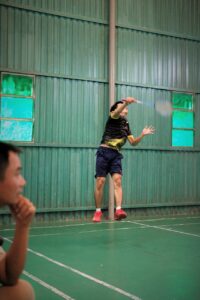
Footwork isn’t just about getting to the shuttle; it’s about setting up your deception and recovering smoothly. When you’re aiming for those tricky drop shots or disguised clears, your feet are doing just as much work as your arm. Good footwork makes your deceptive shots look natural, and it gets you back in position fast so you’re ready for whatever your opponent throws back.
Footwork Readiness and Recovery
Think about it: if you’re lunging for a deep clear, you need to be able to get back to the middle of the court quickly. This means your legs need to be strong and ready to move in any direction. After you hit that deceptive shot, don’t just stand there admiring it. You need to recover your balance and get back to a ready stance. This quick recovery is key to controlling the rally, especially if your opponent manages to get a weak return back.
- Be ready to move back: After hitting a shot, especially one that takes you out of position, focus on returning to the center of the court.
- Maintain balance: Even after a big lunge, try to land balanced so you can react to the next shot.
- Anticipate the return: Your recovery should put you in a position to cover most of your opponent’s likely replies.
Agile Movement for Deceptive Plays
Deception relies on making your opponent think one thing while you do another. Your movement needs to support this. If you’re faking a smash, your footwork should look like you’re actually going to smash. If you’re setting up a drop, your approach might be a little different, but the final movement before the shot needs to be controlled and precise. This agility means being able to move forward, backward, and sideways with speed and control.
The goal is to make your opponent commit to a certain shot based on your initial movement, only to surprise them with a different outcome. This requires practice in making your movements look convincing for both the intended shot and the deceptive one.
Quick Direction Changes
Badminton is all about quick changes. You might be moving forward for a net shot and suddenly need to shift to the back for a clear. For deceptive shots, this is even more important. You need to be able to stop your momentum, change direction, and execute the shot cleanly. Practicing drills that focus on stopping and starting, and changing direction rapidly, will make your deceptive shots much more effective. It’s about being light on your feet and able to pivot quickly without losing your balance or power.
Here’s a quick look at how footwork supports different deceptive shots:
| Shot Type | Footwork Focus |
|---|---|
| Deceptive Drop | Controlled approach, quick stop, balanced execution |
| Fake Smash | Powerful initial movement, controlled deceleration |
| Disguised Clear | Deceptive forward movement, late backward shift |
Advanced Deceptive Techniques
The Disguised Clear Strategy
This is where you make it look like you’re going to tap the shuttle just over the net, but then, bam! You flick it all the way to the back. It’s a great way to push your opponent way back when they’re expecting a short, easy point. You want to start with a low stance, like you’re setting up for a net shot. Keep your shoulders down, body a bit forward. Then, right at the last second, change your wrist angle and racket face to send it deep. They’ll be stuck scrambling from the backcourt.
Executing The Fake Smash
The fake smash is all about fooling them into thinking a big hit is coming. You get into that full smash stance, all the body rotation, the whole nine yards. Make it look convincing! But just before you make contact, you ease up. You don’t put any power into it. This sudden lack of force makes the shuttle drop short, right near the net. Your opponent will be way out of position, expecting a smash to fly past them, and then they have to deal with a soft shot they weren’t ready for. It’s all about that last-second change.
Varying Your Deceptive Shots
Don’t get stuck doing the same trick over and over. If you always do a fake smash, your opponent will catch on. Mix it up! Try a disguised clear one time, then a fake smash the next. Maybe even a really subtle drop shot that looks like a clear. The key is unpredictability. Keep them guessing.
Here’s a quick rundown of what to focus on:
- Mimic the powerful shot: Whether it’s a smash or a clear, start the motion like you mean business.
- Control the swing: Ease up on the power at the last moment.
- Adjust racket face: This is what directs the shuttle where you want it.
- Recover quickly: Be ready for their return.
The goal with these advanced moves isn’t just to win a point, but to mess with your opponent’s head. When they can’t predict what’s coming, they start to hesitate. That hesitation is gold. It leads to mistakes and gives you more control over the rally. It’s a mental game as much as a physical one.
Reading Your Opponent For Effective Drops
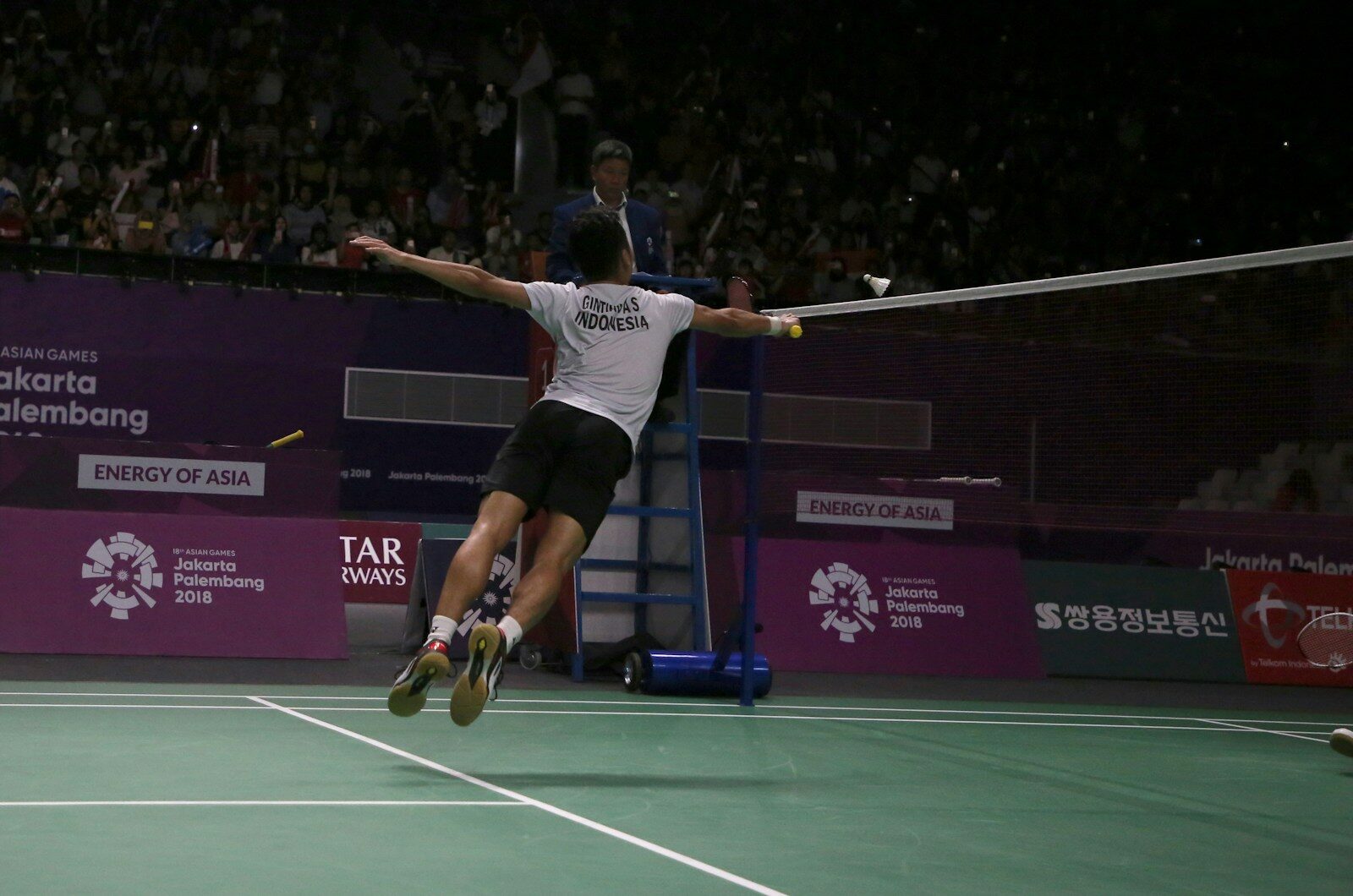
Knowing what your opponent is likely to do next is half the battle in badminton, especially when you’re trying to pull off a sneaky drop shot. It’s not just about hitting the shuttle well; it’s about hitting it where they won’t be. Paying attention to how they move and react can give you a big edge.
Observing Movement Patterns
Watch your opponent’s feet. Are they always taking big steps back when they think you’re going to smash? Do they lean too far forward when they expect a net shot? These little habits are clues. If they tend to overcommit to defending a powerful shot, they’ll be out of position for a soft drop. It’s like predicting where the ball will go in a game of chess, but with more running.
- Look for their default defensive stance: Do they favor the back or the front of the court?
- Note their recovery speed: How quickly do they get back to the center after a difficult shot?
- Observe their body language: A slight shift in weight or a tense posture can signal their expectations.
Exploiting Opponent Vulnerabilities
Once you see a pattern, you can use it. If your opponent consistently gets caught flat-footed when you fake a smash, that’s your cue to go for the drop. If they’re always scrambling to get back from the net, a disguised clear might be more effective. The goal is to make them play your game, not the other way around.
Here’s a quick look at common vulnerabilities and how to exploit them:
| Vulnerability | Exploitation Strategy |
|---|---|
| Slow recovery to net | Use deceptive net shots |
| Over-anticipates smash | Execute a soft drop shot |
| Stays too deep | Play quick shots to the front |
Adapting To Different Playing Styles
Not everyone plays the same way, of course. A player who relies on pure power might be easier to trick with subtle changes in pace. Someone who is very quick and agile might require more drastic deception, like a fake smash followed by a deep clear. You have to adjust your tactics based on who’s across the net.
It’s easy to get caught up in just hitting the shuttle. But if you can start thinking about what your opponent is thinking, and how they’re moving, you’ll find yourself in a much better position to win points. It’s a mental game as much as a physical one.
Remember, the best deceptive shots come from a place of control. If your own footwork is solid and you can maintain a relaxed grip, you’ll have more options to play with. Practice observing your opponents during warm-ups and even during casual games. You’ll start to see the tells that can lead to easy points.
Putting It All Together
So, we’ve talked a lot about making your opponent think you’re going to smash when you’re really just dropping the shuttle. It sounds simple, right? But getting it right takes practice. You need to get your body and racket to do one thing while your brain is telling them to do something else, all at the last second. It’s not just about hitting the shuttle softly; it’s about making them believe you’re going to hit it hard. Keep working on those fake smashes, disguised clears, and especially those tricky drop shots. Mix them up, don’t be predictable, and watch your opponent start to guess. Soon enough, you’ll be controlling the game not just with power, but with your smarts.
Frequently Asked Questions
What exactly is a drop shot in badminton?
A drop shot is a clever move where you pretend to hit the shuttlecock really hard, like a smash, but then you gently tap it so it lands just over the net. Your opponent will be expecting a fast shot and might be too far back to reach it.
Why is deception important in badminton?
Deception is like a secret weapon. It makes your opponent guess what you’re going to do next. When they can’t predict your shots, they get confused and might make mistakes, giving you an advantage.
How can I make my drop shot look like a smash?
To trick your opponent, stand like you’re about to smash. Keep your body open and swing like you mean it. But right before you hit the shuttle, stop your swing short and use your wrist to guide the shuttle softly over the net.
What’s the best way to practice drop shots?
Start by practicing the motion slowly so you get the feel for it. Then, gradually speed up. Doing this over and over helps your body remember the right moves, so you can do it without thinking during a game.
How does footwork help with deceptive shots?
Good footwork means you can move around the court quickly and smoothly. When you do a deceptive shot, you need to be balanced. Quick footwork also helps you get back into position fast after you hit the shot, so you’re ready for whatever your opponent does.
What are some common mistakes when trying deceptive shots?
One big mistake is showing your intention too early, like lowering your racket before you hit. Another is gripping the racket too tightly, which makes it hard to control the shuttle for a soft drop. Always try to keep your movements smooth and natural until the last second.