
Thinking about playing badminton? It’s a great sport, really. But before you jump onto the court, you gotta know the rules of badminton serving. It’s not super complicated, but there are some key things to get right. Messing up the serve means you lose the point, and nobody wants that. This guide breaks down the rules of badminton serving so you can start playing on the right foot, literally.
Key Takeaways
- A legal serve in badminton means hitting the shuttlecock below your waist and sending it diagonally into the opponent’s service box.
- When you serve, both your feet need to stay put inside the service box until you hit the shuttlecock. No shuffling around!
- Your position on the court for serving depends on your score. Even score means serving from the right side, odd score means serving from the left.
- In doubles, the serving rules get a bit more involved with rotations, but the basic idea of hitting it diagonally and staying in your spot still applies.
- Common mistakes include foot faults, hitting the shuttle too high, or serving out of bounds. Knowing these helps you avoid losing points.
Understanding the Fundamental Badminton Serving Rules
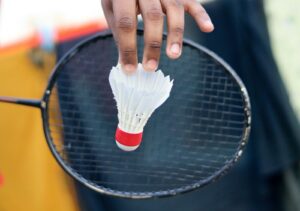
Alright, let’s get down to the nitty-gritty of serving in badminton. It might seem simple, but there are definitely some rules to keep in mind to make sure everything is fair and square. Think of these as the basic building blocks for starting any rally. Getting these right means you’re playing by the book and giving yourself the best chance to win the point.
Defining a Legal Badminton Serve
A legal serve in badminton is basically the shot that starts the rally. It’s not just about hitting the shuttlecock over the net; there are specific requirements. The shuttle has to be hit with an underhand motion, and the point where you make contact must be below your waist. For elite players, this is officially set at 1.15 meters from the floor, but for most of us, ‘below the waist’ is the key phrase. The racket itself should also be angled downwards when you hit it. The serve must travel diagonally across the net and land within the opponent’s designated service court. If any of these conditions aren’t met, it’s a fault, and you lose the serve.
Key Requirements for a Valid Serve
So, what exactly makes a serve count? Let’s break it down. You’ve got to be in the right spot, hit the shuttle correctly, and send it to the right place. Here’s a quick rundown:
- Underhand Hit: The shuttle must be struck below your waist.
- Stationary Feet: Both your feet need to stay put on the ground from the start of the serve until you hit the shuttle. No lifting or dragging your feet!
- Diagonal Trajectory: The shuttle must travel across the net and land in the opposite service box.
- No Net Touch: The shuttle cannot touch the net on its way over.
- Continuous Motion: The swing to hit the shuttle should be one smooth, continuous movement.
It’s also worth noting that unlike some other sports, there’s no second serve if you fault. You get one shot, so make it count. You also need to be ready to serve when your opponent is, and there’s no longer a strict 25-second rule, but you must be in position ready to play.
The Importance of Fair Play in Serving
Why all these rules? It really comes down to keeping the game fair and fun for everyone. Imagine if players could serve from anywhere, or hit the shuttle way above their heads. It would completely change the game, and not for the better. These regulations ensure that the serve is a test of skill and placement, not just raw power or trickery. It levels the playing field, making sure that every rally starts with an equal opportunity for both sides. Following these guidelines isn’t just about avoiding faults; it’s about respecting the game and your opponent. It’s the foundation upon which all good badminton is built.
Mastering Server Positioning and Footwork
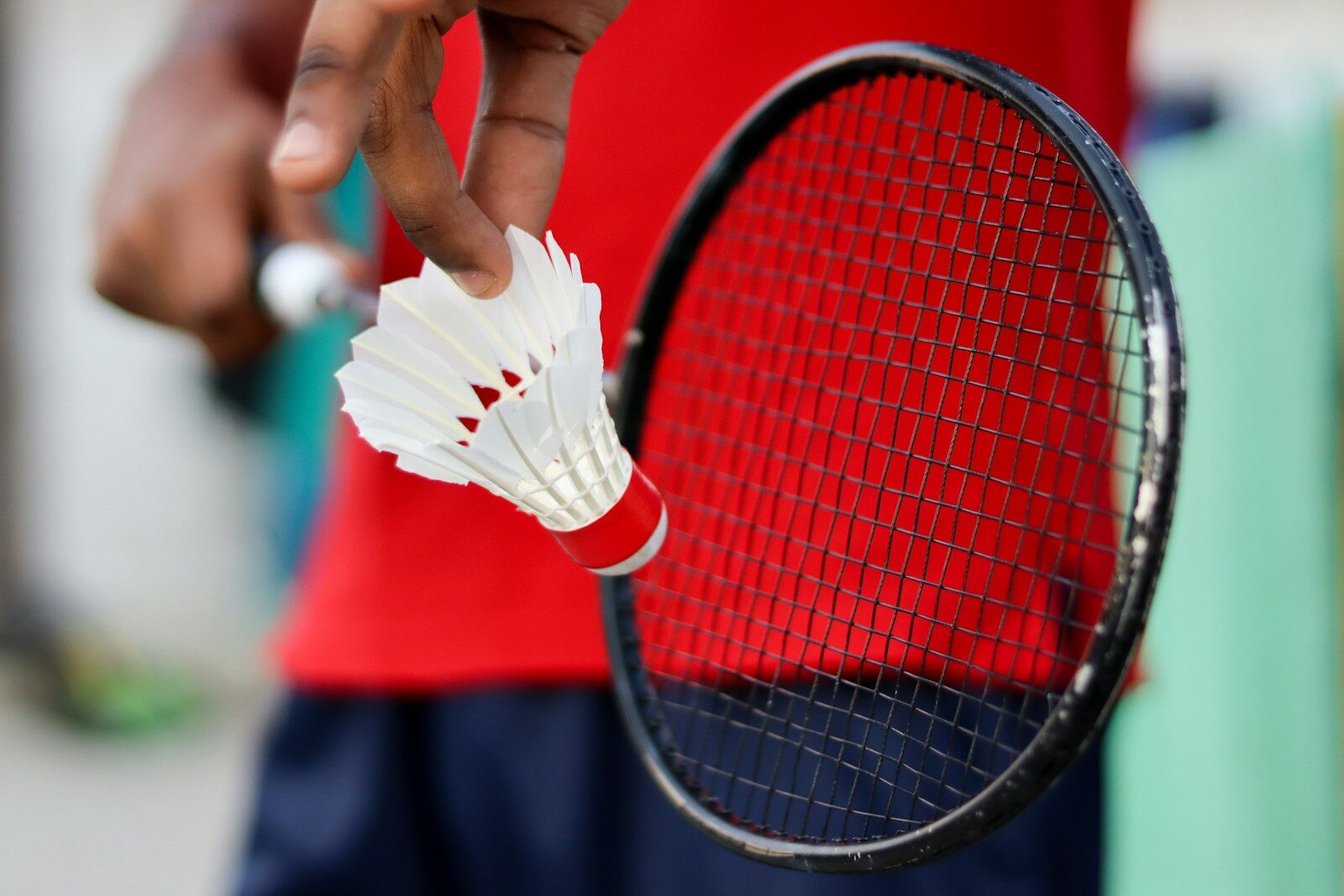
Getting your feet and body in the right spot before you even think about hitting the shuttle is a big deal in badminton. It’s not just about looking professional; it’s about setting yourself up for a legal and effective serve. Mess this part up, and you’re basically handing your opponent a free point.
Correct Server Stance and Court Placement
When it’s your turn to serve, you need to be in the right service court. If your score is even, you serve from the right side. If it’s odd, you serve from the left. Simple enough, right? But where your feet are matters a lot. You’ve got to stand within the boundaries of that service court. Don’t be that player who’s practically on the sideline before the serve even happens. A good stance gives you balance and allows for a better swing. Think about keeping your weight balanced, maybe slightly forward, ready to move if needed after the serve.
Stationary Foot Requirements During Service
This is a big one, and it trips up a lot of players. While you’re serving, both of your feet need to stay put. Well, at least one foot has to be on the ground and inside the service court. You can’t lift both feet off the ground, and you definitely can’t step out of the service court boundaries until you’ve actually hit the shuttlecock. It’s all about maintaining stability and not gaining any unfair positional advantage. Imagine you’re rooted to the spot until the moment of impact.
Here’s a quick rundown of what’s allowed and what’s not:
- Allowed: One foot on the ground, inside the service court. Slight adjustments of the standing foot are okay as long as it doesn’t lift off.
- Not Allowed: Lifting both feet off the ground.
- Not Allowed: Stepping on or over the boundary lines of the service court before hitting the shuttle.
- Not Allowed: Moving your feet significantly before or during the swing.
Navigating Service Court Boundaries
Staying within the lines is key. When you serve, the shuttlecock has to land in the opponent’s service court diagonally opposite yours. But before that, your feet have to stay within your service court. This means no part of your feet should touch the lines that mark the service court. If your heel is on the line, that’s a fault. If you step over the center line or the sideline of the service court before you hit the shuttle, that’s also a fault. It sounds strict, but it keeps the game fair and prevents players from serving from an advantageous position.
The service court isn’t just a suggestion; it’s a rule. Keeping your feet planted correctly within these lines before and during the serve is non-negotiable for a legal serve. It’s the foundation upon which a good serve is built, and ignoring it is an easy way to lose a rally before it even really starts.
Shuttlecock and Racket Mechanics for Serving
Getting the serve right is all about how you handle the shuttlecock and your racket. It’s not just about hitting it over the net; it’s about doing it legally and effectively. Let’s break down the key elements.
Optimal Shuttlecock Height and Contact Point
The rules are pretty clear here: the shuttlecock must be hit below your waist. This means you can’t be standing up straight and smacking it down. You need to bend your knees a bit and get down to meet the shuttle. The ideal contact point is usually when the shuttle is at the lowest point of its trajectory after you’ve dropped it slightly or as it naturally falls. This allows for better control and ensures you’re within the rules. Striking the shuttlecock at the peak of its flight maximizes both control and power. Remember to follow through with your swing after impact for optimal results.
Here’s a quick look at the height requirements:
| Rule Element |
|---|
| Shuttlecock height |
| Racket head position |
| Must be below waist |
| Must be below waist |
Proper Racket Angle and Downward Motion
When you’re about to hit the shuttle, your racket head should be pointing downwards. This is part of the underhand motion requirement. Think of it like swinging a pendulum, but with a shuttlecock at the end. The racket face should be angled slightly upwards to send the shuttle over the net, but the overall motion of the racket swing itself is downwards from the point of preparation to the point of contact. This underarm action is a core part of a legal badminton serve.
Executing a Smooth, Continuous Serving Swing
One of the most common mistakes is a jerky or hesitant serve. The rules state that the serve should be a continuous motion. This means no stopping and starting, no fake swings. Once you begin your swing, you commit to hitting the shuttle. This smooth action helps maintain momentum and makes your serve harder to read for your opponent. It also just feels better when you get it right!
A continuous swing is key. It’s not just about the rules; it’s about building rhythm. When your swing flows, you’re more likely to hit the shuttle cleanly and with the right trajectory. Practice makes this feel natural, turning a potentially awkward movement into a fluid part of your game. It’s a small detail that makes a big difference in how consistently you can execute a good serve, especially under pressure. You can find more tips on shuttlecock control.
Here are some points to keep in mind for a good swing:
- Start your swing smoothly.
- Maintain a consistent pace through contact.
- Follow through naturally after hitting the shuttle.
- Keep the racket head below your waist throughout the swing.
Navigating Badminton Serving Rules in Different Formats
When you switch between singles and doubles in badminton, the way you serve—and even where you stand—changes more than you’d expect. Let’s take a closer look at the serving rules in these different setups so you’re not caught off-guard on the court.
Singles Service Court Dynamics
In singles, it’s all about precision and knowing exactly where to aim. The serve must always be hit diagonally, landing in the opponent’s service court strike below the waist. The setup looks like this:
| Situation | Stand on Right Service Court? | Serve Intended To: |
|---|---|---|
| At the start of the game | Yes | Opponent’s right side |
| Your score is even | Yes | Diagonal (right side) |
| Your score is odd | No | Diagonal (left side) |
Note: Both feet have to stay in place until the shuttle is hit.
Doubles Service Strategies and Rotations
Doubles can get a little tricky because the rotation matters. Here’s what you need to remember:
- At the start, serving happens from the right side.
- If your score is even, serve from the right; if it’s odd, serve from the left.
- When you win a rally, only the serving team changes service courts—the opposing team stays put.
- Serves always go diagonally and only the correct receiver can return the serve.
- In doubles, both players must know their serving spots and how to rotate after each point.
The main idea is: keep your positions clear and pay attention to the score, or risk an unnecessary fault.
Recreational vs. Competitive Serving Adherence
Recreational play is often more relaxed, with people sometimes letting little mistakes slide. In tournaments, though, you’ve got to hit every serve by the book. Here’s how they tend to differ:
- Recreational players may be less strict about foot placement and court boundaries.
- Competitive play usually enforces the full list of serving rules, including height of the shuttle, racket position, and server’s stance.
- Failing to follow the rules in a serious match can lose you the point immediately.
Remember, consistency in your serve will boost both your confidence and your wins, regardless of the format. A little focus on the rules in each style of play goes a long way toward fewer arguments and more fun on court.
Identifying and Avoiding Common Serving Faults
Alright, let’s talk about those pesky serving faults. Nobody likes giving away free points, right? It’s super common, especially when you’re just starting out or trying to push your game. Knowing what not to do is just as important as knowing what to do.
Consequences of Service Faults
When you commit a service fault, it’s pretty straightforward: you lose the serve. If you’re playing singles, that means the other player gets a point and the serve. In doubles, it’s a bit more involved with rotations, but the bottom line is your team loses the chance to score and the serve goes to the opposition. It’s not the end of the world, but it’s definitely something you want to minimize.
Recognizing Faults in Foot Placement and Height
This is where a lot of mistakes happen. For starters, your feet. You absolutely must have at least one foot on the ground and inside the service court when you hit the shuttle. You can’t be lifting both feet, and you can’t be stepping on or over the line before you make contact. It’s about stability and staying within the designated area. Think of it like a little box you have to stay in.
Then there’s the height. The shuttlecock has to be hit below your waist. Now, ‘waist’ can be a bit tricky because everyone’s built differently. The general idea is that the contact point should be low. For competitive play, there’s even a specific measurement (1.15 meters), but for most of us, just aiming for a consistent, low contact point is key. Hitting it too high is an instant fault.
Here’s a quick rundown of common foot and height faults:
- Foot Faults:
- Both feet off the ground during the serve.
- Stepping on or over the service line before hitting the shuttle.
- Feet outside the service court boundaries.
- Height Faults:
- Hitting the shuttlecock above your waist.
- The racket head being higher than the shuttlecock at the point of contact.
Preventing Out-of-Bounds and Net Violations
Beyond your feet and the shuttle’s height, there are other ways to mess up a serve. Serving out of bounds is a big one. You need to make sure the shuttle lands within the correct service box for singles or doubles, depending on the game. It’s easy to get a little too much power and send it long, or miss the diagonal court entirely.
And don’t forget the net. You can’t touch the net with your racket or body while serving, and the shuttle has to go over the net. If it hits the net and falls back onto your side, that’s a fault. If it hits the net and goes over into the correct service box, that’s usually okay, but it’s a risky play!
The key to avoiding these faults is practice and awareness. Know the dimensions of the service court. Practice hitting serves with consistent height and footwork. It might seem tedious, but drilling these basics will save you a lot of frustration and lost points in actual games. Don’t just wing it; be deliberate with your serve.
Recent Updates and Their Impact on Badminton Serving
Overview of Recent Serving Rule Adjustments
Things have shifted a bit with badminton serving rules in the last few years, especially heading into 2026. The new standards now say the shuttlecock must be struck below the server’s waist, and both feet need to be planted firmly until you actually hit the shuttle. If you try shuffling or hopping around while serving, that’s going to get called out pretty fast. These tweaks are all about keeping the serve fair—no sneaky starts, just skill and timing.
| Rule Aspect | Old Requirement | New Requirement |
|---|---|---|
| Shuttle Height | Not always enforced | Must be below server’s waist |
| Foot Movement | Minor movement allowed | Both feet must be stationary |
| Racket Position | Some flexibility | Below waist, upward motion |
While it may sound picky, these changes are supposed to settle a lot of arguments during close matches and keep everything on a level playing field.
How Rule Changes Affect Gameplay Strategy
The tougher serving rules mean that just blasting the shuttle over the net isn’t going to cut it anymore. You really have to pay attention to technique:
- Precision is more important—serve a little too high or move your feet, and you’ll lose the point.
- Players now craft serves that stick to the letter of the law but still have enough speed or placement to put opponents on the back foot.
- Training regimens have shifted, focusing on repeated, controlled serving drills.
A lot of clubs have noticed this makes games feel tighter and more skill-based. Plus, with the potential new 15-point scoring system on the horizon, players can’t afford sloppy serves at any stage.
Ensuring Fairness Through Standardized Serving
The aim with these recent rule changes was always about fairness, but standardization is a big part of it, too:
- No matter if you’re at a local tournament or a world event, the rules are the same for everyone.
- There’s less room for interpretation by referees, so matches get decided by play, not by debates.
- Developing younger athletes is easier now, since training with these clear-boundary rules means fewer bad habits carry over from casual games.
This universal, upfront approach really takes the guesswork out—if you want to win points, you have to respect the serve.
Wrapping It Up
So, we’ve gone over the ins and outs of serving in badminton. It might seem like a lot at first, with all the rules about where to stand, how to hit the shuttle, and keeping your feet still. But honestly, once you get the hang of it, it just becomes second nature. Practicing these basics will really make a difference in your game, whether you’re just playing for fun or getting a bit more serious. Keep at it, and you’ll be serving like a pro in no time. Happy hitting!
Frequently Asked Questions
What’s the main goal when serving in badminton?
The main goal is to start the game with a legal serve that your opponent has trouble returning. You want to hit the shuttlecock so it goes over the net and lands in the correct spot in their service box, making it tough for them to score.
What does ‘underhand serve’ mean?
An underhand serve means you hit the shuttlecock from below your waist. Your racket should swing upwards to make contact with the shuttle, and the point where you hit it must be lower than your waist.
Can my feet move when I serve?
No, your feet must stay still during the serve. Both of your feet need to be inside the service box and touching the ground. You can’t lift them or step out until after you’ve hit the shuttlecock.
What happens if I hit the shuttlecock too high when serving?
If you hit the shuttlecock above your waist when serving, it’s called a fault. This means you lose the chance to serve, and your opponent gets a point.
Do the serving rules change in doubles?
Yes, doubles has slightly different serving rules, especially when it comes to who serves and where they stand based on the score. The serve always goes diagonally, but the server’s position (left or right) changes depending on whether the serving team’s score is even or odd.
What’s a ‘fault’ in serving?
A fault is when you break a serving rule. This could be hitting the shuttlecock too high, moving your feet during the serve, serving out of bounds, or not getting the shuttlecock over the net. If you commit a fault, your opponent scores a point.