
The little birdie, or shuttlecock, has a story that’s as interesting as the game of badminton itself. It didn’t just appear as it is today. Nope, it went through some big changes. We’re talking about how it started with feathers, then moved to tougher stuff like nylon, and now people are trying to mix the old with the new. It’s all about how this one piece of equipment affects how fast and how well you can play badminton.
Key Takeaways
- Badminton started in British India with feather shuttlecocks, which were nice to hit but not very tough.
- Nylon shuttlecocks came along and made the game cheaper and easier for more people to play because they lasted longer.
- Now, companies are making hybrid shuttlecocks that try to feel like feathers but are more durable, blending old and new ideas.
- Sports groups like the BWF look at how shuttlecocks are made and tested to make sure games are fair, even trying out different types.
- Scientists study how shuttlecocks fly, looking at things like weight and how the feathers are arranged, to make them perform better.
The Dawn of the Feather Shuttle of Badminton
Origins in British India
Badminton’s story really kicks off in 19th-century British India, specifically in a place called Madras, which we now know as Chennai. British soldiers stationed there started playing a game they called "Poona." It was pretty casual, mostly a way to pass the time and socialize. They used wooden paddles to hit a shuttlecock made of feathers back and forth. Because these early shuttles were so delicate, it took a good amount of skill to keep them in play. As the game caught on, it slowly morphed into the sport we recognize as badminton today. The feather shuttlecock was a bit of a luxury item back then, usually made from goose or duck feathers. Even though they weren’t cheap, families with a bit more money could get their hands on them, and they offered a really precise feel for the game.
Craftsmanship and Early Appeal
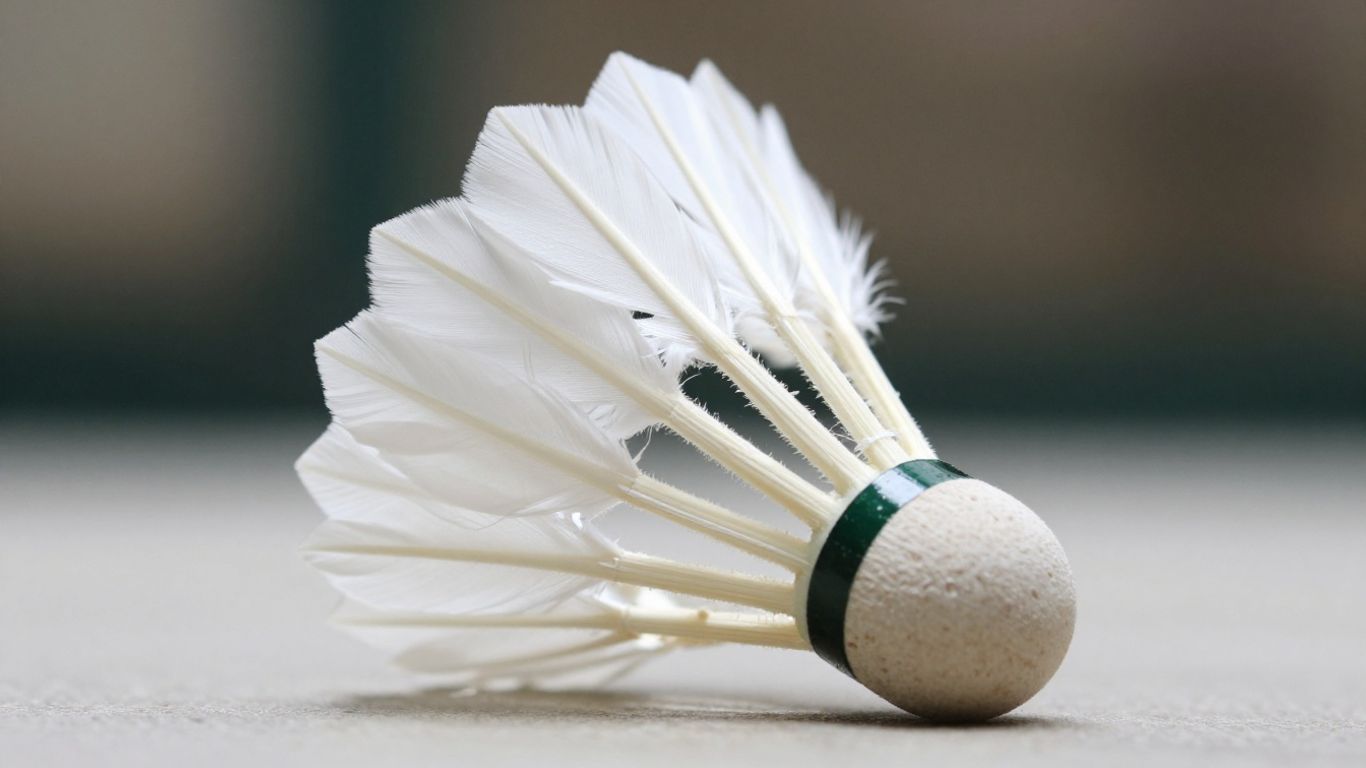
The traditional feather shuttlecock was a marvel of simple engineering. Typically, 16 goose feathers were carefully selected and attached to a cork base. The left-wing feathers were often preferred because their natural curve helped stabilize the shuttle’s flight. This careful construction was key to its performance. The unique design of the feather skirt allowed the shuttle to decelerate rapidly after being hit, creating those characteristic steep trajectories and quick drops that define badminton. This made the game exciting and demanded a lot of finesse from the players. It was this very flight characteristic that gave the game its distinct appeal.
Flight Characteristics of Feather Shuttles
Feather shuttlecocks have a very specific way of flying. When you hit one, it doesn’t just zoom off in a straight line like a ball. Instead, it slows down pretty quickly and then drops. This happens because of the way the feathers spread out and catch the air, creating a lot of drag. It’s this drag that makes the shuttle decelerate so fast. The cork base gives it a bit of weight at the front, helping it to fly point-first. This combination of drag and weight distribution is what gives the shuttle its unique, steep trajectory. It’s a delicate balance; a well-made feather shuttle offers a consistent and predictable flight, which is exactly what players need to develop their skills. The feel of hitting a feather shuttle is also something else entirely, a crisp connection that many players still prefer today. The cost of these shuttles has gone up quite a bit recently, making them harder to come by for many badminton enthusiasts.
The construction of a feather shuttlecock, with its precisely arranged feathers and cork base, is designed to create a high-drag projectile. This aerodynamic property is what allows the shuttle to decelerate rapidly, resulting in its characteristic steep trajectory and quick descent, a hallmark of badminton’s unique gameplay.
Here’s a quick look at what goes into a typical feather shuttle:
- Base: Usually made of cork, sometimes covered with leather for durability.
- Feathers: Typically 16 goose or duck feathers, carefully selected and trimmed.
- Attachment: Feathers are glued and sometimes stitched to the cork base.
- Weight: Generally between 4.74 to 5.50 grams, though this can vary slightly.
The Rise of Durable Alternatives
Feather shuttlecocks, while offering that classic feel and flight, had a big downside: they just didn’t last. Imagine playing a match and going through a whole can of shuttles because they kept breaking. It was expensive and kind of interrupted the flow of the game, you know? This is where the idea of more durable alternatives really started to take off.
Nylon Shuttles: Affordability and Longevity
This is where things got interesting for the average player. Nylon shuttlecocks changed the game for accessibility. They were way cheaper than their feathered cousins, and honestly, they could take a beating. You could use one shuttle for multiple games, which was a huge relief for both your wallet and your practice sessions. They weren’t exactly the same as feathers, mind you. The flight might have been a little different, maybe a bit faster or less floaty, but for most people just wanting to play, it was a massive improvement.
Consistency in Play
One of the biggest wins with nylon shuttles was consistency. Every shuttle felt pretty much the same. With feathers, you could get variations depending on the duck or goose, how they were plucked, or even the weather. Nylon shuttles, being manufactured, offered a much more predictable flight path. This meant players could focus more on their technique and strategy rather than constantly adjusting to a shuttle that might suddenly decide to fly weirdly. It made learning the game a bit easier too.
Impact on Wider Participation
Because they were cheaper and lasted longer, nylon shuttles really opened the doors for more people to get into badminton. Schools, community centers, and casual players could afford to stock up. It wasn’t just for the serious clubs anymore. This wider availability meant more people picking up rackets, leading to a bigger player base overall. It’s kind of like how cheaper, more durable materials made other sports more accessible over time. The Badminton World Federation even started looking into synthetic options to help with costs and availability.
The shift towards synthetic shuttles wasn’t just about saving money; it was about making badminton a sport that more people could pick up and play regularly without breaking the bank. This focus on durability and affordability was key to its growing popularity.
Here’s a quick look at some of the differences:
- Feather Shuttles:
- Superior flight control and feel.
- Prone to damage and breakage.
- Higher cost per shuttle.
- Nylon Shuttles:
- Much more durable, lasting longer.
- More consistent flight characteristics.
- Significantly more affordable.
While the pros might still prefer feathers for tournaments, for the vast majority of players, nylon shuttles were a welcome development that helped badminton grow. It’s a good example of how material innovation can really impact a sport’s reach. The BWF’s approval of synthetic shuttles in certain events shows how far these alternatives have come.
Bridging Tradition and Innovation
It’s pretty wild how much the shuttlecock has changed, right? We’ve gone from those fancy feather ones, which were cool but super delicate, to the tough nylon ones that let more people play. But now, things are getting really interesting as people try to get the best of both worlds. That’s where the idea of the hybrid shuttlecock comes in.
The Hybrid Shuttlecock Concept
Think of it like this: you get the feel and flight of a real feather shuttle, but with the durability you’d expect from something more modern. Companies are working hard on this, trying to use new materials that mimic how a feather flies without falling apart after a few hits. It’s a tricky balance, for sure. You want that natural feel, that slight wobble and speed drop that makes feather shuttles so unique, but you also need something that can handle a tough match without costing a fortune or breaking too easily. It’s all about trying to capture that magic of the old game with today’s technology. This effort is a big step in trying to recreate the essence of traditional play in our fast-paced modern sport.
Mimicking Feather Feel with Modern Materials
So, how are they doing it? Well, it’s a lot of science and testing. They’re looking at things like the shape of the skirt, the weight distribution, and how the shuttle reacts when it’s hit. Some use special plastics or composites that have a similar weight and flexibility to feathers. Others might use a combination of materials, maybe a cork base like the traditional ones, but with a synthetic skirt. It’s not just about making it last longer; it’s about making it fly right. The goal is to get as close as possible to the flight path and sound of a natural feather shuttle. It’s a real challenge to get that perfect blend, but when they nail it, it’s pretty awesome.
Balancing Natural and Synthetic Qualities
Ultimately, the hybrid shuttle is an attempt to satisfy everyone. Players who love the feel of feathers can get something closer to that experience, while those who need something more robust for regular play or training can still have a good time. It’s about finding that sweet spot where tradition meets the future of the game. It’s a fascinating area to watch as manufacturers keep experimenting. You can see how this ties into the broader history of badminton, which has roots stretching back to ancient games in British India.
The development of hybrid shuttlecocks shows a real effort to honor the sport’s past while embracing technological progress. It’s a way to keep the game accessible and enjoyable for more people without losing the nuanced performance that dedicated players appreciate.
Governing Bodies and Tournament Standards
BWF’s Role in Shuttlecock Evolution
The Badminton World Federation (BWF) is the big cheese when it comes to setting the rules and standards for badminton worldwide. They’re the ones who decide what kind of shuttlecock is allowed in official matches, and they’ve had to keep up with how things have changed over the years. It’s not just about making sure the game is fair; it’s also about making sure the equipment, especially the shuttlecock, performs consistently so players can showcase their skills. The BWF’s decisions directly impact what manufacturers produce and what players use at every level. They’ve got a whole system for ranking tournaments, from the top-tier events like the Olympics and World Championships down to smaller regional competitions. This helps ensure a certain level of play and equipment quality across the board. You can find a simplified explanation of the badminton rules and regulations on their site, which gives you a good idea of what they oversee.
Experimentation with Materials in Tournaments
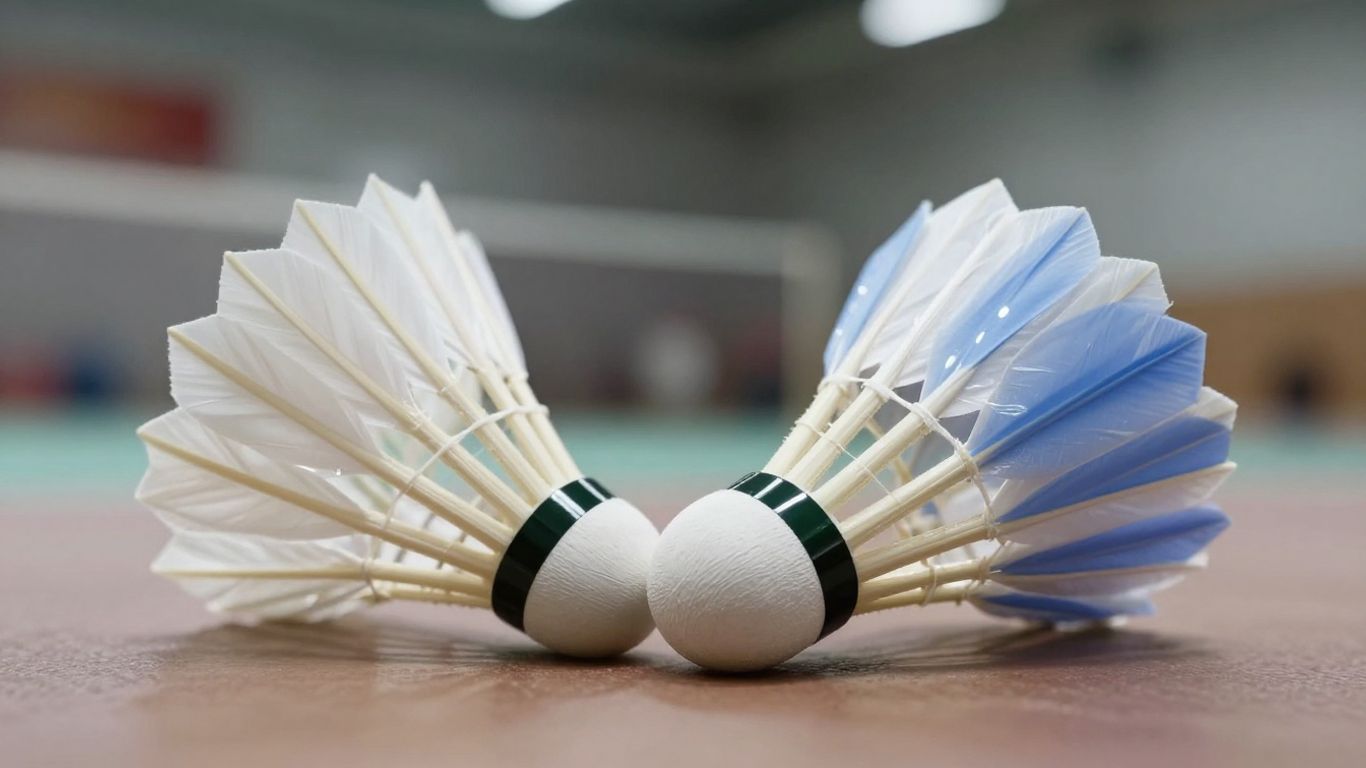
While the classic feather shuttlecock is still the gold standard for professional play, the BWF hasn’t shied away from looking at alternatives. They’ve allowed for experimentation, especially in lower-level tournaments or for training purposes, to see if new materials can offer benefits like better durability or more consistent flight. Think about it: feather shuttles can be pretty fragile, especially with hard-hitting players. So, testing out things like hybrid designs or advanced synthetics in controlled environments makes sense. It’s a balancing act, though. The goal is to find something that performs similarly to a feather shuttle without sacrificing the nuances that make badminton unique.
Maintaining Performance Standards
No matter what material is used, the BWF has strict guidelines to make sure shuttles meet certain performance criteria. This includes things like how fast they fall, how far they travel when hit with a specific force, and how they react to different types of shots. They conduct tests to verify these standards. For instance, a shuttle must fall within a certain time frame when dropped from a height, and it needs to travel a specific distance when hit by a calibrated machine. These aren’t just random numbers; they’re designed to reflect the flight characteristics that players expect and rely on. It’s all about keeping the game predictable and fair, so the outcome is decided by the players’ abilities, not by faulty equipment. The basic court boundaries are also part of these standards, ensuring a consistent playing field.
The Science Behind Shuttle of Badminton Performance
Ever wondered why a badminton shuttlecock flies the way it does? It’s not just random; there’s some serious science packed into that little projectile. Unlike a tennis ball or a baseball, a shuttlecock has a really unique flight path. This is mainly due to its design: a cork base topped with a cone of feathers. This setup creates a lot of drag, which means it slows down much faster than other sports balls. It’s also incredibly stable in the air, always wanting to fly point-first, no matter how it’s hit.
Aerodynamics of the Shuttlecock
The way a shuttlecock moves through the air is pretty fascinating. When you hit it, it doesn’t just keep going in a straight line. The feathers act like a parachute, causing it to decelerate rapidly. This high drag is what makes badminton rallies so dynamic. It allows for quick changes in direction and makes those delicate net shots possible. The shuttlecock is essentially a bluff body, meaning its shape causes a lot of air turbulence behind it, which is key to its flight characteristics. Understanding this helps explain why a smash, while fast initially, doesn’t travel as far as you might think compared to other sports projectiles. Research into shuttlecock aerodynamics helps us grasp these forces better.
Factors Influencing Flight Dynamics
So, what makes one shuttlecock fly differently from another? A few things really matter. The quality and type of feathers used are a big deal. Goose feathers are common, but duck feathers are also used, and they can affect how the shuttle flies and how durable it is. The weight and shape of the cork base also play a role. Even how the feathers are attached and the overall construction can change things. These small differences can impact the shuttlecock’s speed, how high it goes, and how stable it is during play. It’s a delicate balance that manufacturers work hard to get right.
Weight and Feather Arrangement
Let’s break down the physical aspects. A standard shuttlecock weighs about 4.74 to 5.50 grams. The cork base usually weighs around 1 gram, with the rest being the feathers. The arrangement of these feathers is critical. Typically, there are 16 feathers, each about 6 to 7 centimeters long, all set in a conical shape. This precise arrangement is what gives the shuttlecock its signature flight. If the feathers are damaged, bent, or not arranged correctly, the shuttlecock won’t fly true. It might wobble, slow down too quickly, or not travel the intended distance. This is why proper handling and storage are important for maintaining performance. The flight trajectories are heavily influenced by these physical properties.
The unique design of a shuttlecock, with its lightweight feather skirt and denser cork base, is engineered for a specific purpose: to decelerate rapidly and maintain stability. This characteristic is fundamental to the fast-paced, strategic nature of badminton, allowing for both powerful smashes and intricate net play within the confines of the court.
Ethical Considerations and Future Materials
Sourcing Feathers Responsibly
When we talk about badminton shuttles, the classic image is one made of feathers. For a long time, goose and duck feathers were the only real option for a good shuttle. These feathers give the shuttle its unique flight, slowing down quickly after being hit. But, getting enough good feathers for all the shuttles needed worldwide is becoming a real challenge. The Badminton Federation has pointed out that there’s a shortage because of rising prices for these materials in China, where a lot of them come from. Each shuttle needs about 16 carefully picked feathers, so you can see how that adds up. This has made people think more about where these feathers come from and if we can keep up with the demand without causing problems. It’s becoming clear that we need to be more mindful about how we get these natural materials.
The Push for Sustainable Production
Because of the issues with feather sourcing, there’s a growing movement to find better ways to make shuttlecocks. This isn’t just about having enough shuttles; it’s also about being kinder to the environment. Companies are looking into ways to make shuttles that don’t rely so heavily on animal feathers. This means exploring new manufacturing methods and materials that have less of an impact on the planet. The goal is to keep the game going strong without harming the environment in the process. It’s a tough balance, trying to keep the feel and performance that players love while also being more responsible.
Exploring Biodegradable Options
Looking ahead, the big question is what comes next. One exciting area is the development of biodegradable shuttlecocks. Imagine a shuttle that performs well during a game but then breaks down naturally afterward, leaving no trace. This would be a huge step forward in making the sport more sustainable. Researchers and manufacturers are experimenting with different plant-based materials and other eco-friendly compounds. While these new materials might not perfectly replicate the flight of a traditional feather shuttle just yet, they represent a promising path for the future of badminton equipment. The idea is to find materials that can offer good durability and flight characteristics while also being kind to the earth. It’s a complex puzzle, but one that many are eager to solve for the good of the sport and the planet.
Brand Innovations in Shuttlecock Technology
Li-Ning’s Contribution to Flight and Durability
When you think about top-tier badminton gear, Li-Ning often comes up. They’ve really put in the work to make shuttlecocks that fly true and last a good while. They use some pretty advanced manufacturing tricks and pick out good materials to make sure their shuttlecocks perform the same way no matter the conditions. It’s not just about making a shuttlecock; it’s about making one that players can rely on, whether they’re just starting out or playing in a big tournament. They’ve got different models, too, so you can find one that fits what you need, whether that’s for practice or for the serious matches. It shows they care about the sport and are always trying to push things forward.
Meeting Specific Player Needs
It’s not a one-size-fits-all situation with shuttlecocks, and brands like Li-Ning get that. They’ve developed a range of shuttlecocks designed for different types of players and situations. For instance, some are built for maximum durability, which is great for club play where you might go through a lot of shuttles. Others are tuned for a more consistent flight path, which is what pros look for. This attention to detail means players can actually pick a shuttlecock that complements their style of play, rather than just settling for whatever is available. It’s a smart way to cater to everyone from casual players to the pros competing at the highest levels. You can find some of the top brands and their innovations at top badminton shuttlecock brands.
Setting Benchmarks for Manufacturers
What brands like Li-Ning do really impacts the whole industry. When they introduce a shuttlecock that offers great flight and holds up well, it makes other companies step up their game. They’ve sponsored big events and athletes, which puts their equipment in the spotlight. This kind of visibility helps set new standards for what players expect from a shuttlecock. It’s a good thing for the sport overall because it means better equipment becomes more common. This push for quality means we keep seeing improvements, making the game more enjoyable for everyone involved.
The constant drive for better performance and durability in shuttlecocks, pushed by leading brands, directly influences the quality of play and the overall experience for badminton enthusiasts worldwide. It’s a cycle where innovation benefits the player.
Here’s a quick look at what makes a good shuttlecock:
- Flight Consistency: How predictably it travels through the air.
- Durability: How long it lasts before breaking or losing its shape.
- Speed Rating: How fast it travels after being hit.
- Feather Quality: For natural shuttles, the type and arrangement of feathers.
Brands are always trying to find that sweet spot between these factors, and it’s exciting to see what they come up with next. It’s not just about goose feathers anymore; there’s a whole lot of science and engineering going into these little birds. You can explore some of the best shuttlecock brands and see the variety available.
The Shuttle’s Journey Continues
So, we’ve seen how the humble shuttlecock went from being a fancy feather to something tougher and more affordable, and now even a mix of both. It’s pretty wild to think about how much this little birdie has changed. It really shows how sports keep evolving, always looking for ways to make things better, more accessible, and maybe even a bit more sustainable. What’s next for the shuttle? Who knows, but it’s clear the game isn’t done innovating, and that’s pretty exciting for everyone who loves badminton.
Frequently Asked Questions
What were the first shuttlecocks made of?
The very first shuttlecocks, used when badminton was just starting out in places like India, were made from real feathers, usually from geese or ducks. They were attached to a cork base. These were pretty fancy and not super cheap back then!
Why did people start using nylon shuttlecocks?
Nylon shuttlecocks came about because they are much tougher and last longer than feather ones. Plus, they cost less money, which made badminton easier for more people to play and enjoy without breaking the bank.
What’s a hybrid shuttlecock?
A hybrid shuttlecock tries to be the best of both worlds. It uses modern materials to feel and fly a bit like a feather shuttlecock, but it’s also built to be more durable, like a nylon one. It’s a mix of old and new!
Do professional players use feather or nylon shuttlecocks?
Professional players almost always use feather shuttlecocks. Even though they’re more delicate, they offer a unique feel and flight that players need for the highest level of competition. The Badminton World Federation (BWF) has rules about which shuttlecocks can be used in official matches.
How does the shuttlecock’s design affect how it flies?
The way a shuttlecock is made is super important for how it flies. The shape and weight of the cork base, along with how the feathers are arranged, create a lot of drag. This makes it slow down quickly and change direction easily, which is what makes badminton so fast and tricky!
Are there eco-friendly shuttlecocks being made?
Yes, people are thinking about the environment! Companies are looking for ways to make shuttlecocks using more sustainable materials. Some are exploring options that can break down more easily after they’re used, so they’re kinder to the planet.