
Finding a good place to play badminton can really make a difference in your game, right? Whether you’re just looking to hit the shuttlecock around with friends or you’re aiming for something more serious, knowing where to find quality badminton courts indoor is key. This guide is here to help you discover the best indoor facilities so you can enjoy the sport, no matter what the weather’s doing outside.
Key Takeaways
-
Indoor badminton courts offer a reliable place to play, free from outdoor weather issues like wind or rain.
-
When looking for a court, pay attention to the flooring – wood or synthetic surfaces are best for grip and comfort.
-
Good lighting and ventilation are important for a comfortable and safe playing environment indoors.
-
Check reviews and ask other players for recommendations to find well-maintained and popular badminton courts indoor.
-
Consider the court’s location, booking options, and any extra amenities like changing rooms or equipment rentals before you commit.
Understanding Badminton Court Types
Before you commit to a regular badminton spot, it helps to know what kinds of courts are out there. Every type comes with its own feel, set-up, and pros and cons, depending on what matters most to you—rain-or-shine play, affordability, or maybe even tournament-level competition. Here’s what to look for:
Indoor Badminton Courts
Indoor courts are what you usually see in sports complexes or dedicated badminton clubs. These typically feature wood or synthetic flooring that’s gentle on joints and provides decent grip. The main advantage is simple: you can play year-round, no matter what the weather does outside. These courts often have good overhead lighting and, because they’re enclosed, you don’t worry about wind tossing your shuttlecock around.
-
Flooring usually made from wood or synthetic materials
-
Reliable lighting and temperature control
-
Often includes changing rooms and showers
Consistent conditions on indoor courts make it much easier to work on your skills without battling the elements.
Outdoor Badminton Courts
For a more laid-back and affordable scene, outdoor courts usually pop up in parks or on school grounds. Surfaces can be concrete, asphalt, or sometimes even grass.
-
Great for casual play or quick pick-up games
-
Typically free or low-cost
-
Exposed to sun, wind, and rain which can affect gameplay
It’s worth noting: lighting can be unpredictable outside, and the surface is often a little tougher on your knees.
Multipurpose Courts
You’ll find these in community centers, schools, or general rec facilities. Lines for basketball, volleyball, and badminton all overlap on the same surface. If you just want to have fun, these are a good, accessible choice.
-
Usually made with basic synthetic or hardwood surfaces
-
Versatile for several sports
-
Sometimes a bit crowded and markings can be confusing
Multipurpose courts may use different types of flooring. Check out more on badminton flooring options for details on what you might run into.
Professional Badminton Courts
This is the gold standard. Professional courts meet Badminton World Federation (BWF) standards. That means proper floor material, net height, and lighting—all optimized for competition and safety. You’ll find these at badminton academies or top sports clubs.
-
Premium wood or synthetic surfaces
-
Strictly regulated dimensions
-
Perfect for serious training and tournaments
|
Court Type |
Flooring Material |
Typical Use Case |
|---|---|---|
|
Indoor |
Wood/Synthetic/PU |
Year-round, competitive |
|
Outdoor |
Concrete/Asphalt |
Casual, social |
|
Multipurpose |
Synthetic/Hardwood |
Recreational, mixed use |
|
Professional |
BWF-Approved Synthetic or Hardwood |
Tournaments, elite training |
Each court type offers something different. Your decision will probably come down to convenience, budget, and how seriously you take your badminton game.
Key Factors for Selecting Badminton Courts Indoor
Alright, so you’re looking for a good indoor spot to play some badminton. It’s not just about finding any old gym, though. A few things really make a difference between a decent game and a truly great one. Let’s break down what to look for.
Court Flooring and Surface
This is probably the most important part. You want a surface that gives you good grip so you don’t slip, but also has a bit of give so it’s not too hard on your knees and ankles. Most indoor courts use wood or a synthetic material. Wood is classic, offering great shock absorption. Synthetic surfaces, like those made of rubber or PU, are also really popular now because they’re durable and provide consistent play. Avoid concrete or asphalt indoors if you can; they’re just too hard.
Here’s a quick look at common indoor court surfaces:
|
Surface Type |
Pros |
Cons |
|---|---|---|
|
Wooden |
Excellent grip, good shock absorption |
Can be expensive, requires maintenance |
|
Synthetic |
Durable, consistent play, good cushioning |
Can vary in quality, might be pricier than wood |
|
PU (Polyurethane) |
Very durable, seamless, good grip |
Can be less forgiving than wood |
Lighting and Ventilation Quality
Bad lighting is a real buzzkill. You don’t want shadows where you can’t see the shuttlecock, or glare that blinds you. Good lighting should be bright and spread out evenly across the whole court. It makes a huge difference in how well you can play and helps prevent those annoying misjudgments. And ventilation? It’s key for comfort. A stuffy room makes it hard to breathe and play your best. Look for places with decent airflow, maybe even fans or air conditioning, especially if you tend to get really into your games.
Court Maintenance and Cleanliness
Nobody likes playing on a dirty court. Look around – are there scuff marks everywhere? Is there dust or debris? A well-maintained court means the lines are clear, the surface is clean, and there aren’t any weird sticky spots. It’s not just about looks; a clean court is safer. You don’t want to trip over something unexpected. Also, check the nets. Are they at the right height and taut? Little things like this show the facility cares about the player experience.
Accessibility and Location Convenience
Let’s be real, if the court is a hassle to get to, you’re less likely to go often. Think about how easy it is to reach from your home or work. Is there ample parking, or is it close to public transport? Some places might have great badminton courts but are in a really out-of-the-way spot. You’ll want to find a balance between a quality court and one that fits into your daily routine without too much fuss. It’s worth checking out a few different spots to see which one feels right for you and your schedule.
Finding the right court is about more than just the game itself. It’s about creating an environment where you can focus on improving your skills, enjoying the sport, and staying healthy without unnecessary distractions or discomfort. A little bit of research upfront can save you a lot of frustration down the line.
Finding Premier Badminton Courts Indoor Facilities
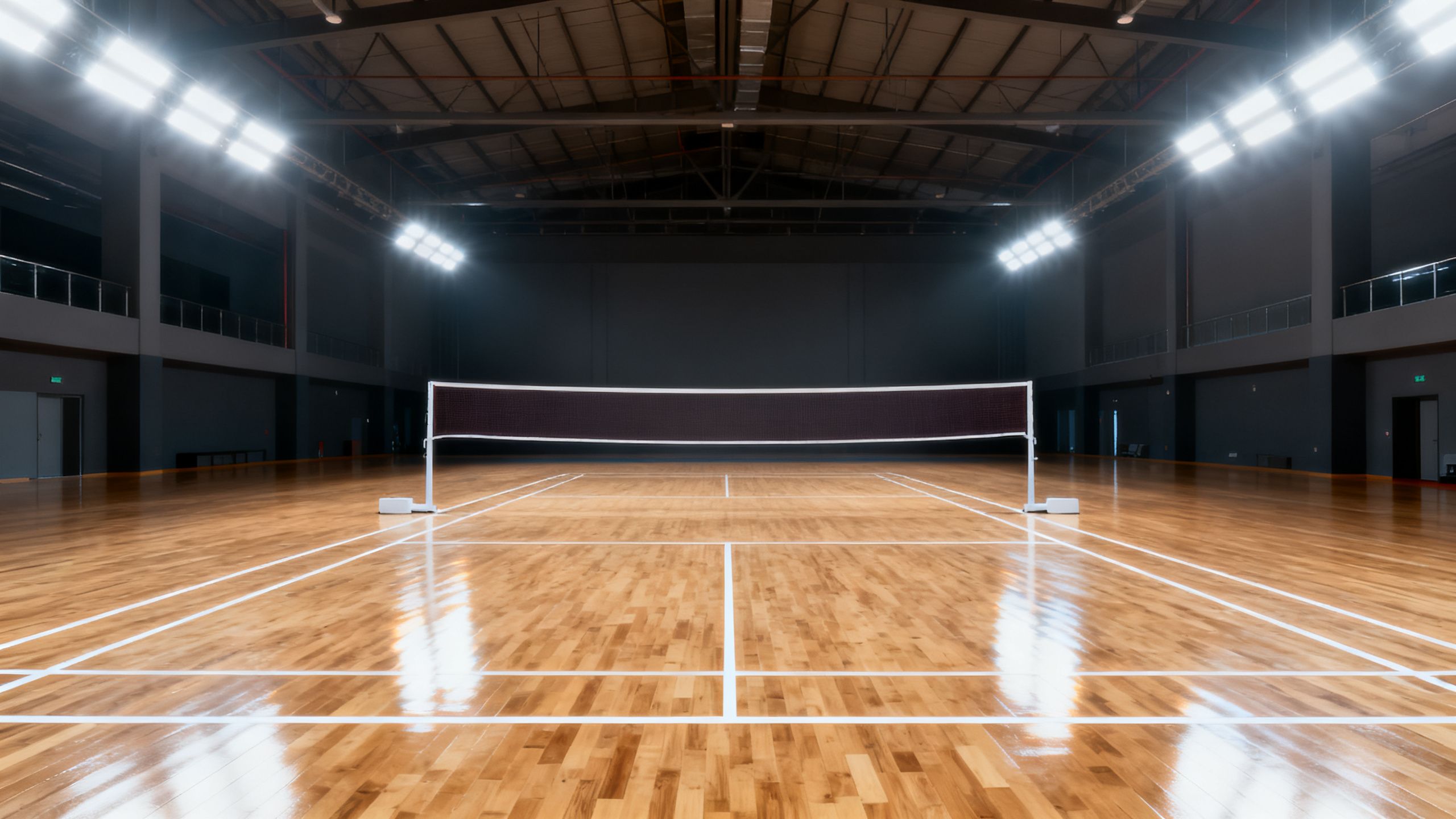
So, you’ve decided you want to find a top-notch indoor badminton court. That’s a smart move, especially if you’re serious about improving your game or just want a reliable place to play without worrying about the weather. But where do you even start looking? It can feel like a bit of a treasure hunt, but with a few strategies, you’ll be on the court in no time.
Utilizing Online Search Tools and Apps
First off, the internet is your best friend here. A quick search on Google Maps for “indoor badminton courts near me” will usually bring up a list of places. You can often see photos, read initial reviews, and get directions right away. Beyond just Google, there are dedicated sports apps that can be super helpful. Think apps like CourtReserve or even general community apps like Meetup. These can show you court availability, let you book slots, and sometimes even connect you with other players looking for a game. It’s like having a personal court finder in your pocket.
Checking Reviews and Player Ratings
Once you have a few potential spots, don’t just pick the closest one. Take a few minutes to actually read what other players are saying. Look for comments about the court’s condition – is the flooring good? Is the lighting decent? Are the nets in good shape? Sometimes people will mention if a place is always packed or if it’s well-maintained. Pay attention to recurring themes in the reviews, whether positive or negative. This kind of feedback can save you a lot of disappointment. You might find a place that looks good online but has a reputation for poor upkeep, or vice versa.
Visiting Local Sports Complexes and Clubs
Sometimes, the best way to know if a court is right for you is to see it yourself. Many larger sports complexes or dedicated racquet clubs have indoor badminton facilities. It’s worth calling ahead or even stopping by during off-peak hours to check out the courts in person. See how the surface feels, check the ceiling height, and get a feel for the general atmosphere. You can also inquire about membership options or drop-in rates. Some places, like The Sports Mall, have been around for ages and have a strong community feel.
Seeking Recommendations from Fellow Players
Don’t underestimate the power of word-of-mouth. If you know other people who play badminton, ask them where they like to play. They might know about hidden gems or places with great coaching programs that aren’t widely advertised. Joining local badminton clubs or even online community groups can also be a goldmine for recommendations. People are usually happy to share their favorite spots and give you the inside scoop on what makes a particular court great. You might even find a new playing partner or two!
Evaluating Badminton Court Amenities and Services
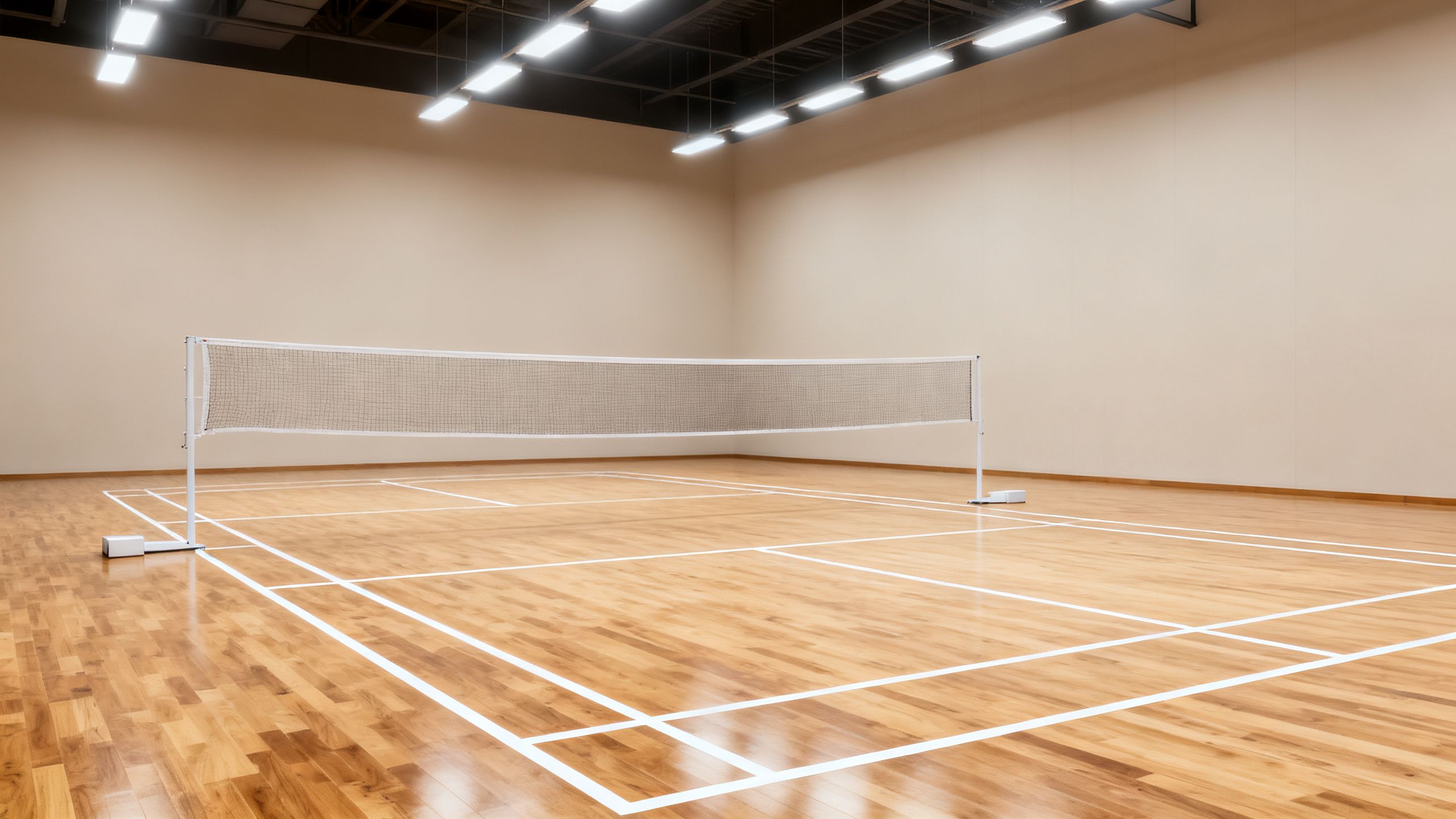
Beyond just the court itself, the extras can really make a difference in your overall badminton experience. Think about what makes playing more comfortable and enjoyable for you. It’s not just about hitting the shuttlecock; it’s about the whole package.
Essential Amenities: Changing Rooms and Water
This is pretty basic, but super important. You’ll want to know if there are clean changing rooms available so you can switch into your game gear and freshen up afterward. And, of course, access to drinking water is a must. Playing badminton can be a real workout, and staying hydrated is key. Some places might have water fountains, while others might require you to bring your own bottle. It’s worth checking this out beforehand.
Equipment Rentals and Pro Shops
Don’t have your own racket? No worries! Many facilities offer equipment rentals, so you can still get a game in. They might have rackets and even shuttlecocks available to borrow or rent for a small fee. Some larger complexes also have a pro shop where you can buy your own gear, from rackets and strings to shoes and apparel. This is handy if you decide you’re serious about the sport and want to invest in your own equipment.
Coaching Programs and Training Sessions
Looking to improve your game? Some courts are more than just a place to play; they offer coaching. Whether you’re a complete beginner trying to learn the basics or an intermediate player looking to refine your technique, dedicated coaching can be a game-changer. These programs often run in sessions or courses, helping you build skills systematically. It’s a great way to get personalized tips and drills.
Community Events and Tournament Opportunities
Want to meet other players or test your skills? Keep an eye out for what the facility offers in terms of community engagement. Many places host regular social play sessions, friendly tournaments, or even more competitive leagues. Participating in these events is a fantastic way to practice in a game-like setting, meet new people who share your passion for badminton, and just have some fun outside of regular practice. It really adds another layer to the sport.
When you’re checking out a new court, don’t just look at the net and the lines. Think about the whole experience. Are the bathrooms clean? Is there a place to grab a drink? Can you rent a racket if you forget yours? These little things add up and can make a big difference in whether you want to come back.
Booking and Cost Considerations for Badminton Courts
When you’re trying to secure an indoor badminton court, it’s more than just clicking a few buttons on a website. There are some things you really want to think about if you want to avoid surprises and get your money’s worth. Some places fill up fast, and the way you book or pay can completely change the experience.
Understanding Court Booking Policies
Every facility handles bookings differently. Here are a few common approaches:
-
Advance Reservations: Many clubs let you reserve courts days or even weeks ahead. Membership usually comes with priority for these spots. For instance, members at some clubs can reserve courts up to a month ahead and snag better time slots (court reservations for individuals and groups).
-
Drop-in Availability: A few places keep some courts open for walk-ins, but you might end up waiting, especially on busy weekends.
-
Cancellation Rules: Always check the fine print. Some places will charge you or forfeit your fee if you cancel late or don’t show up.
It’s easy to assume you’ll get a court whenever it suits you, but real-world demand can turn booking into a bit of a competition, especially during the after-work rush.
Comparing Hourly Rates and Membership Options
Costs for courts can be all over the map, and it usually depends on the area, the court’s quality, and the day of the week.
|
Facility Type |
Hourly Rate |
Membership Advantage |
|---|---|---|
|
Standard Indoor Court |
$35/hour |
Priority bookings, lower rates |
|
Premium Court |
$50–$70/hour |
Early reservations, extra amenities |
|
Local Recreation Center |
$10–$25/hour |
Discounted long-term passes |
If you play badminton regularly, opting for a membership can pay off quickly. Not only do you get reduced hourly rates, but you’ll also often get earlier access to booking slots.
Peak Hours and Availability Checks
If you want to play after school or work, you’re not alone. These are typically the busiest times. Here’s what you need to remember:
-
Prime evenings (6–9pm) and weekends get booked fast—sometimes a week or more in advance.
-
Early mornings and late nights tend to be cheaper and less crowded.
-
Facilities may charge more during peak times, so check prices before locking in your reservation.
Affordable Badminton Courts Indoor Choices
It’s absolutely possible to find budget-friendly spots without sacrificing too much on quality. Here’s how:
-
Look for public or recreation centers; they’re usually more affordable than private clubs.
-
Seek off-peak times for cheaper rates. Booking midday or late evening can save you a few bucks.
-
Some facilities even offer equipment included in the hourly rate (basic badminton equipment is included), cutting down on your total cost.
Booking early, checking for hidden fees, and comparing options will help you stretch your budget further and make court time as hassle-free as possible.
Maximizing Your Badminton Court Experience
So, you’ve found a great indoor court – awesome! But just showing up and hitting shuttles isn’t the whole story, right? To really get the most out of your time on the court, and to keep coming back for more, there are a few things to think about. It’s not just about the game itself, but how you prepare, play, and recover.
Proper Warm-up and Cool-down Routines
Think of your body like a car engine. You wouldn’t just start it up and floor it, would you? Same goes for badminton. Before you even pick up your racket, spend about 5 to 10 minutes getting your body ready. This means some light jogging or jumping jacks to get your blood flowing, followed by some dynamic stretches. We’re talking arm circles, leg swings, and torso twists – anything that gets your joints moving through their range of motion. This helps prevent those annoying muscle pulls and gets you ready for those quick, sharp movements on the court. Wearing the right shoes is also part of this prep, making sure you have good grip and support.
After you’re done playing, don’t just walk off. A cool-down is just as important. A few minutes of static stretching, holding each stretch for about 20-30 seconds, will help your muscles relax and recover. Focus on your legs, shoulders, and back. It might seem like extra time, but trust me, your body will thank you later, especially if you play regularly.
Wearing Appropriate Badminton Gear
This is a big one. You don’t need a pro-level setup to start, but some basics make a huge difference. First off, shoes. Regular sneakers just won’t cut it. You need badminton-specific shoes or at least court shoes with good grip and ankle support. This is super important for preventing slips and twists, especially on those quick side-to-side movements.
As for clothing, think breathable and comfortable. You’ll be sweating, so moisture-wicking fabrics are your friend. A comfortable racket that feels balanced in your hand is also key. If you’re not sure what to get, ask around or check out a pro shop at a local sports complex.
Staying Hydrated and Taking Breaks
Badminton can be a serious workout, and dehydration can sneak up on you fast. Always have a water bottle with you and sip it regularly, not just when you feel thirsty. Before you start, during breaks, and after you finish – keep that fluid intake up. Avoid sugary drinks; plain water is best for keeping you properly hydrated.
Listen to your body. If you’re feeling tired or your muscles are screaming, take a short break. Step off the court for a minute, stretch it out, grab some water, and refocus. Pushing yourself too hard when you’re exhausted can lead to mistakes and injuries. A quick breather can actually make your playing time more productive.
Practicing Regularly and Playing with Partners
Consistency is the name of the game when it comes to improving. Try to schedule regular sessions, even if they’re just an hour or two a week. This helps build muscle memory and stamina. Use your practice time to work on specific shots – maybe your serve, your clears, or those tricky net shots.
Playing with different people is also a fantastic way to grow. Everyone has their own style and strengths. Playing against someone who’s faster, or has a different strategy, will challenge you and teach you new ways to play. It keeps things interesting and helps you adapt.
A well-maintained court is the foundation for a good game. Look for clean surfaces, good lighting, and no obvious hazards. If the court itself isn’t up to par, it can really impact your enjoyment and even your safety. Remember, a good court makes for a better game, plain and simple.
Joining a local club or league is a great way to find regular partners and maybe even discover some new, well-kept facilities you hadn’t considered before. Plus, it’s a fun way to be part of the badminton community.
Ready to Play?
So, you’ve learned a bit about what makes a good badminton court and how to find one. It really comes down to what you’re looking for – maybe a fancy indoor place for serious games, or just a simple outdoor spot for some fun with friends. Don’t forget to check out reviews and maybe even visit a few places before you decide. Finding the right court is the first step to enjoying the game more, staying active, and maybe even meeting some new people. Now go out there and hit that shuttlecock!
Frequently Asked Questions
What makes an indoor badminton court better than an outdoor one?
Indoor courts are awesome because you can play anytime, no matter if it’s raining or super sunny! They also usually have better lights and no wind, which makes the game more fair and fun, especially for serious players.
What kind of floor is best for a badminton court?
The best floors are usually made of wood or a special synthetic material. These give you good grip so you don’t slip and also help cushion your jumps and landings, which is easier on your knees and ankles.
How important is the lighting and air in a badminton court?
Really important! Good lighting means you can see the shuttlecock clearly without annoying shadows or glare. Good air helps keep the temperature comfy and makes it easier to breathe while you’re running around.
Should I worry about how clean the court is?
Yes, definitely! A clean court means fewer things to trip over and a more pleasant place to play. Courts that are well-kept usually mean the people running them care about the players’ experience and safety.
What are some things to look for besides the court itself?
Think about things like easy parking or if it’s close to public transport. Also, check if there are clean places to change, places to get water, and maybe even a shop where you can buy or rent rackets and shuttlecocks.
How much does it usually cost to play at an indoor badminton court?
The price can change a lot. Sometimes you pay by the hour, and other times you can get a membership that makes playing regularly cheaper. Booking during busy times might cost more, so it’s good to check different options and see what fits your budget.