
So, you’re looking to get a new badminton racket? It can be a bit much trying to figure out what’s what. There are so many options out there, and they all seem to have different specs. But don’t worry, picking the right badminton racket doesn’t have to be a headache. We’ll break down the important stuff, from how it’s balanced to what it’s made of, so you can find one that feels good in your hand and helps you play your best.
Key Takeaways
- Think about where the weight sits on your badminton racket: head-heavy for power, head-light for quick moves, or even balance for a bit of everything.
- Lighter rackets make it easier to swing fast, while heavier ones can give your shots more punch.
- For beginners, aluminum or steel rackets are budget-friendly, but graphite or carbon fiber ones are better for performance as you improve.
- Racket head shapes matter; isometric heads give you a bigger ‘sweet spot’ for hitting the shuttle, while oval heads offer more focused control.
- The stiffness of the racket’s shaft affects your game: flexible is good for learning, medium offers a mix of control and stability, and stiff is for advanced players with strong swings.
Understanding Badminton Racket Balance
When you’re picking out a badminton racket, one of the first things you’ll notice is how it feels in your hand. This feeling is largely due to the racket’s balance point, which is basically where the weight is concentrated. It’s not just about how heavy the racket feels overall, but where that weight is distributed along its length. This balance point can really change how you play on the court.
Think of it like a seesaw. If the weight is mostly on one end, it’s going to swing differently than if the weight is spread out evenly. This is super important because it affects your swing speed, your power, and how easily you can move the racket around.
Head-Heavy Racquets For Power
These rackets have more weight concentrated towards the head. This extra weight at the top acts like a pendulum, giving you more momentum when you swing. If you’re someone who likes to hit hard smashes from the back of the court, a head-heavy racket can really help you generate that extra power. It feels a bit more substantial when you swing it, and that heft translates into more force behind your shots. It might feel a little slower to swing compared to other types, but for pure hitting power, they’re a solid choice.
Head-Light Racquets For Agility
On the flip side, head-light rackets have their weight concentrated closer to the handle. This makes the racket feel much lighter and quicker in your hand. If you play a fast-paced game, especially doubles, or spend a lot of time at the net reacting to shots, a head-light racket is your best friend. You can whip it around much faster, making quick defensive blocks and sharp net shots easier to execute. It’s all about maneuverability and speed with these ones. You get that nimble feel that lets you react instantly.
Even Balance Racquets For All-Rounders
Then you have rackets with an even balance. The weight is distributed pretty much equally from the handle to the head. These are often called ‘all-round’ rackets because they try to offer a bit of everything. They’re not as power-focused as head-heavy rackets, nor as lightning-fast as head-light ones, but they provide a good mix. If you’re still figuring out your playing style or you like to mix up your game with both attacking shots and defensive plays, an even balance racket is a safe bet. It gives you a good feel for the shuttle and is generally easier to control.
Here’s a quick rundown:
- Head-Heavy: More power, good for smashes, feels heavier.
- Head-Light: More speed and agility, great for quick reactions and net play, feels lighter.
- Even Balance: A mix of power and speed, suitable for all-around players.
Choosing the right balance point is a big step in finding a racket that feels comfortable and helps your game. It’s not just about what looks good; it’s about how it performs for your specific style of play. Don’t be afraid to try a few different types if you can to see what feels best in your hand. Understanding racket balance is a key factor when choosing a new badminton racket.
Choosing The Right Badminton Racket Weight
When you’re picking out a badminton racket, the weight is a pretty big deal. It’s not just about how heavy it feels in your hand, but how that weight affects your game. Think of it like this: a lighter racket is going to feel zippy, letting you swing faster and react quicker. On the flip side, a heavier racket can give you more oomph behind your shots, kind of like a heavier baseball bat hitting a ball.
Lightweight Racquets For Speed
If you’re all about speed and agility on the court, a lightweight racket is probably your best bet. These are usually under 85 grams, often falling into the 3U or 4U categories. A 4U racket, for instance, typically weighs around 82 grams, while a 3U is a bit heavier at about 87 grams [ea07]. They’re super easy to whip around, which means you can get to those tricky shots and make quick defensive moves without feeling like you’re dragging an anchor. For beginners, this ease of control is a huge plus, helping you get a feel for the game without getting tired too quickly [90ca].
Heavier Racquets For Momentum
Now, if you’re looking to really put some power into your smashes and clears, you might want to consider a heavier racket. These rackets, generally over 86 grams, give you more momentum when you swing. That extra weight can translate into more force transferred to the shuttlecock. However, they do require a bit more strength to handle, especially during long rallies. Players with strong shoulders often prefer these for their ability to generate powerful shots. It’s a trade-off: a bit less speed for more impact.
Here’s a quick look at how weight can affect your game:
- Speed & Maneuverability: Lighter rackets (under 85g) allow for faster swings and quicker reactions.
- Power & Momentum: Heavier rackets (over 86g) can generate more force and stability in shots.
- Player Type: Beginners often benefit from lighter rackets for easier control, while stronger players might opt for heavier ones for power.
Remember, the weight you feel is the unstrung weight. Adding strings and grips will slightly alter the overall feel and balance of the racket. It’s worth considering how these additions might change the racket’s performance for you.
Material Composition Of Your Badminton Racket
The stuff your racket is made of really matters. It affects how it feels, how tough it is, and how much it costs. You’ve got a few main options when you’re looking around.
Aluminum and Steel for Beginners
If you’re just starting out or not looking to spend a ton, rackets made from aluminum or steel are a common choice. They’re usually pretty affordable, which is great when you’re not sure how serious you’ll get with the sport. These materials are generally a bit heavier and less responsive than the fancier stuff, but they can take a beating. Think of them as the reliable workhorses for learning the basics. They’re not going to break the bank, and they’ll get the job done while you figure out your swing.
Graphite and Carbon Fiber for Performance
Now, if you’re looking to step up your game, you’ll want to check out rackets made from graphite or carbon fiber. These materials are lighter, stronger, and more flexible. Graphite is a form of carbon, and carbon fiber rackets are essentially an advanced version built from woven carbon strands. This construction gives them a real edge in terms of performance. They offer a better feel for the shuttlecock and allow for quicker swings, which can make a big difference in rallies. You’ll find that rackets made from these materials are often recommended for intermediate and advanced players because they help with speed and power. They might cost a bit more upfront, but for serious players, the difference in playability is usually well worth it. Many high-performance rackets use these advanced materials for their strength and flexibility. These advanced materials are ideal for players seeking enhanced performance.
Here’s a quick rundown:
- Aluminum/Steel: Budget-friendly, durable for beginners, but heavier and less responsive.
- Graphite: Lighter, stronger, more flexible, better feel, good for intermediate players.
- Carbon Fiber: Top-tier performance, very light and strong, woven strands offer superior flexibility and power, favored by advanced players.
Choosing the right material is like picking the right tool for a job. For learning, simple and sturdy is fine. But as you get better, you’ll want something that’s engineered for speed and precision, and that’s where graphite and carbon fiber really shine.
The Impact Of Racket Head Shape
So, you’ve been looking at badminton rackets, and you’ve probably noticed they don’t all look the same up top. The shape of the racket head isn’t just for looks; it actually changes how the racket feels and performs when you hit the shuttlecock. It’s a pretty big deal, honestly.
Isometric Heads For A Larger Sweet Spot
Most modern rackets, especially those aimed at players looking for a bit more forgiveness, feature an isometric head shape. Think of it as a slightly squarer oval compared to a traditional one. What this does is make the hitting area, or the “sweet spot,” bigger. This means you don’t have to hit the shuttlecock perfectly dead center every single time to get a good shot. If you’re still working on your technique or just want a racket that’s a bit more forgiving on off-center hits, an isometric head is probably what you’re after. It can really help beginners and intermediate players keep the shuttle in play more consistently.
Oval Heads For Concentrated Control
On the other hand, you’ve got the more traditional oval or egg-shaped heads. These tend to have a longer main string compared to the cross strings. This design often results in a more concentrated sweet spot. While this might sound like a disadvantage, for some players, it’s exactly what they want. It can offer a more precise feel and potentially more control over the shuttlecock, especially for players with very refined technique who can consistently find that sweet spot. If you’re someone who likes to place the shuttle exactly where you want it and has a solid swing, an oval head might give you that extra bit of feedback and control you’re looking for. It’s a bit like using a finely tuned instrument versus a more general-purpose tool.
The shape of the racket head influences the size and location of the sweet spot, which directly affects how forgiving the racket is and the type of feedback you get on impact. Choosing between an isometric and an oval head often comes down to whether you prioritize a larger margin for error or a more focused point of contact for precise shot-making.
Shaft Stiffness And Your Badminton Racket
The shaft of your badminton racket is more than just a handle; it’s a key component that influences how your racket performs, especially when it comes to flexibility and control. Think of it like a spring – how much it bends and snaps back affects the power and precision of your shots. The stiffness of the shaft plays a big role in how the racket feels and reacts during play.
Flexible Shafts For Beginners
If you’re just starting out or still developing your technique, a flexible shaft is probably your best bet. These shafts bend more easily, which means they can help generate more power and speed for your shots, especially if your arm swing isn’t super fast yet. They’re generally easier to swing and maneuver, making them forgiving for those still getting the hang of things. It’s like having a little extra help on your swing. For beginners, looking at rackets with a lighter weight can also complement a flexible shaft, making the overall feel more manageable.
Medium Stiffness For Control And Stability
For players who are past the absolute beginner stage but not quite at the advanced level, a medium-stiff shaft offers a nice balance. These shafts provide a good mix of control and stability. They don’t bend as much as a flexible shaft, giving you a more direct feel on the shuttlecock, but they still offer some give for power. This makes them a solid choice for players looking to improve their game and develop more consistent shots.
Stiff Shafts For Advanced Players
Advanced players, especially those with a fast and powerful swing, often prefer stiff shafts. These shafts bend very little, which translates to more direct power transfer and superior control. When you swing hard with a stiff shaft, you get a very precise response. This means less energy is lost in the shaft’s flex, allowing for sharper, more accurate shots. However, they require a good technique and a strong swing to get the most out of them. If you’re hitting hard and want maximum precision, a stiff shaft is likely what you’re looking for.
The choice of shaft stiffness is deeply personal and depends heavily on your current skill level and swing mechanics. What works for one player might not be ideal for another. It’s often a process of trial and error to find the perfect match for your game.
Selecting Strings And Tension For Your Badminton Racket
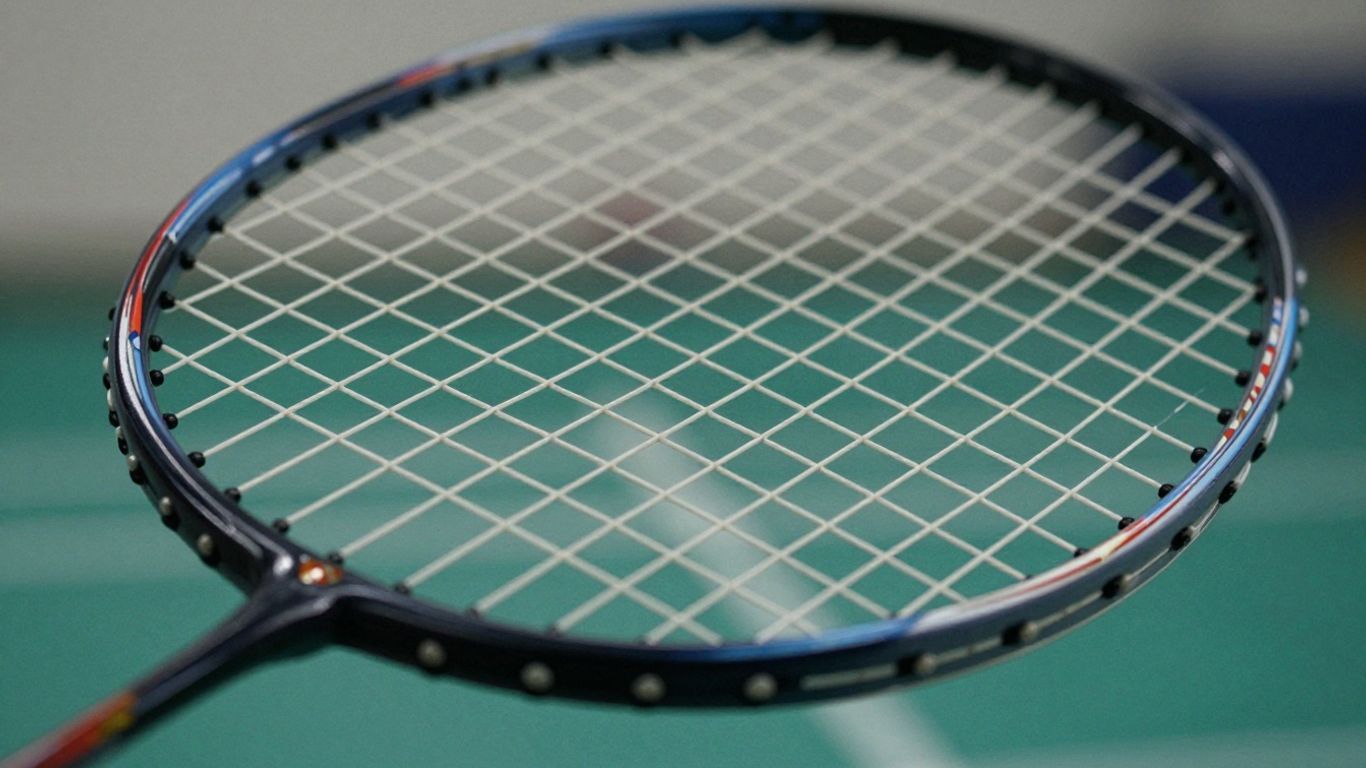
Alright, so you’ve picked out the perfect racket, but don’t forget about the strings and how tight they are! This is where you can really fine-tune how your racket feels and performs. It’s not just about hitting the shuttle; it’s about how you want to hit it.
Durable Multifilament Strings
Most players, especially those just starting out or playing casually, will find multifilament strings to be a solid choice. They’re synthetic, meaning they’re built to last and can take a beating. Think of them as the reliable workhorses of the string world. They offer a good balance of playability and durability, making them a popular pick for a reason. You won’t have to worry about them breaking after every few games, which is a big plus when you’re just trying to get your game on.
Natural Gut For Professional Feel
Now, if you’re looking for that top-tier, pro-level feel, natural gut strings are where it’s at. They’re made from actual animal intestines, which sounds a bit wild, but they offer an incredible feel and responsiveness. Players often say they provide a superior connection to the shuttle. The downside? They’re definitely more expensive and not as tough as synthetic options, so they’re usually reserved for serious players who want the absolute best feel and don’t mind the upkeep. It’s a bit like choosing between a reliable sedan and a high-performance sports car – both get you there, but the experience is different.
Tension For Power Versus Control
This is where things get really interesting, and honestly, a bit personal. String tension is measured in pounds (lbs), and it directly impacts your game. Lower tensions give you more power and a bigger sweet spot, making shots a bit more forgiving. This is great if you’re still developing your technique or just want that extra bit of ‘oomph’ on your clears. On the flip side, higher tensions offer more control and precision. You’ll feel more connected to the shuttle and can place your shots more accurately, which is fantastic for advanced players who rely on pinpoint accuracy. It’s a trade-off, really. You can’t have maximum power and maximum control at the same time; you have to pick what suits your style.
Here’s a quick rundown:
- Lower Tension (around 18-22 lbs): More power, larger sweet spot, more forgiving. Good for beginners and intermediate players.
- Medium Tension (around 22-25 lbs): A balance between power and control. Suitable for most players.
- Higher Tension (25+ lbs): More control, greater precision, smaller sweet spot. Best for advanced players with refined technique.
Experimenting with tension is key. What feels right for one player might not be ideal for another. Don’t be afraid to try different tensions on the same racket to see what works best for your swing and playing style. It’s a journey to find your perfect setup.
Remember, getting your racket restrung by a professional is always a good idea. They know how to handle the equipment and can offer advice based on your game. You can find a local stringer or check out specialty sports shops for their services. Getting the right tension can make a surprising difference in your game, so don’t overlook it!
Wrapping It Up
So, picking the right badminton racket might seem like a lot, but it’s really about finding what feels good in your hand and works with how you play. Don’t just grab the first one you see. Think about if you like smashing hard, playing fast at the net, or if you’re just starting out and need something easy to handle. Whether it’s the weight, how the balance feels, or even the shaft stiffness, these little things can make a big difference on the court. Take your time, maybe try a few out if you can, and you’ll find the racket that helps you enjoy the game even more. Happy hitting!
Frequently Asked Questions
What does ‘balance’ mean for a badminton racket?
The balance of a racket is all about where the weight is placed. Think of it like a seesaw. If the weight is more towards the head (the part with the strings), it’s ‘head-heavy,’ which helps you hit harder. If the weight is more towards the handle (the grip end), it’s ‘head-light,’ making it quicker to swing. ‘Even balance’ means the weight is spread out nicely, good for all kinds of shots.
Should I pick a light or heavy racket?
It really depends on how you play! Light rackets (under 85 grams) are super fast and easy to swing, great for quick defense and fast rallies. Heavier rackets (over 86 grams) give you more power and momentum, especially for strong smashes, but they can feel a bit slower.
What materials are badminton rackets made of?
For beginners, rackets made of aluminum or steel are usually cheaper and work fine. But if you want to get better, look for rackets made from graphite or carbon fiber. These are lighter, stronger, and give you much better performance on the court.
Does the shape of the racket head matter?
Yes, it does! Most modern rackets have an ‘isometric’ head, which is kind of square-shaped. This makes the hitting area, or ‘sweet spot,’ bigger, so even if you don’t hit the shuttle perfectly, it still goes where you want. Older, oval-shaped heads have a smaller sweet spot, which gives you more focused control if you hit it just right.
What’s the deal with racket shaft stiffness?
The shaft is the long part connecting the head to the handle. A ‘flexible’ shaft is best for beginners because it helps add power to your shots when your swing isn’t super fast yet. ‘Medium stiff’ shafts offer a good mix of control and stability, and ‘stiff’ shafts are for advanced players with fast, powerful swings who need maximum control.
How do strings and string tension affect my game?
Strings are important! For durability, synthetic ‘multifilament’ strings are a popular choice. For a really nice feel, ‘natural gut’ strings are used by pros, though they cost more. String tension is also key: higher tension (like 25 lbs or more) gives you more control but less power because the shuttle doesn’t stay on the strings as long. Lower tension gives you more power but less control.