
Picking the right badminton shuttlecock can feel like a big deal, can’t it? It’s not just about hitting a little thing back and forth; the shuttlecock itself has a lot to do with how your game feels and performs. Whether you’re just starting out or you’ve been playing for ages, knowing what makes a good shuttlecock can really help. We’re going to break down what goes into these little guys and help you figure out which badminton shuttlecock is best for you.
Key Takeaways
- Feather shuttlecocks offer the best flight but aren’t as tough as synthetic ones.
- Synthetic shuttlecocks are more durable and cheaper, good for lots of practice.
- Shuttlecock speed is marked on the tube, with higher numbers meaning slower flight.
- Proper storage, like keeping them cool and dry, helps your shuttlecocks last longer.
- For official games, shuttlecocks must meet specific weight and length rules set by the BWF.
Understanding Badminton Shuttlecock Types
When you first start playing badminton, or even if you’ve been playing for a while, you might notice that not all shuttlecocks are created equal. They look pretty similar, right? Little white things with feathers or plastic skirts. But there’s actually a lot going on under the hood, and knowing the differences can really help you pick the right one for your game. The type of shuttlecock you use can seriously affect how the game feels and plays.
The Aerodynamics of Feather Shuttlecocks
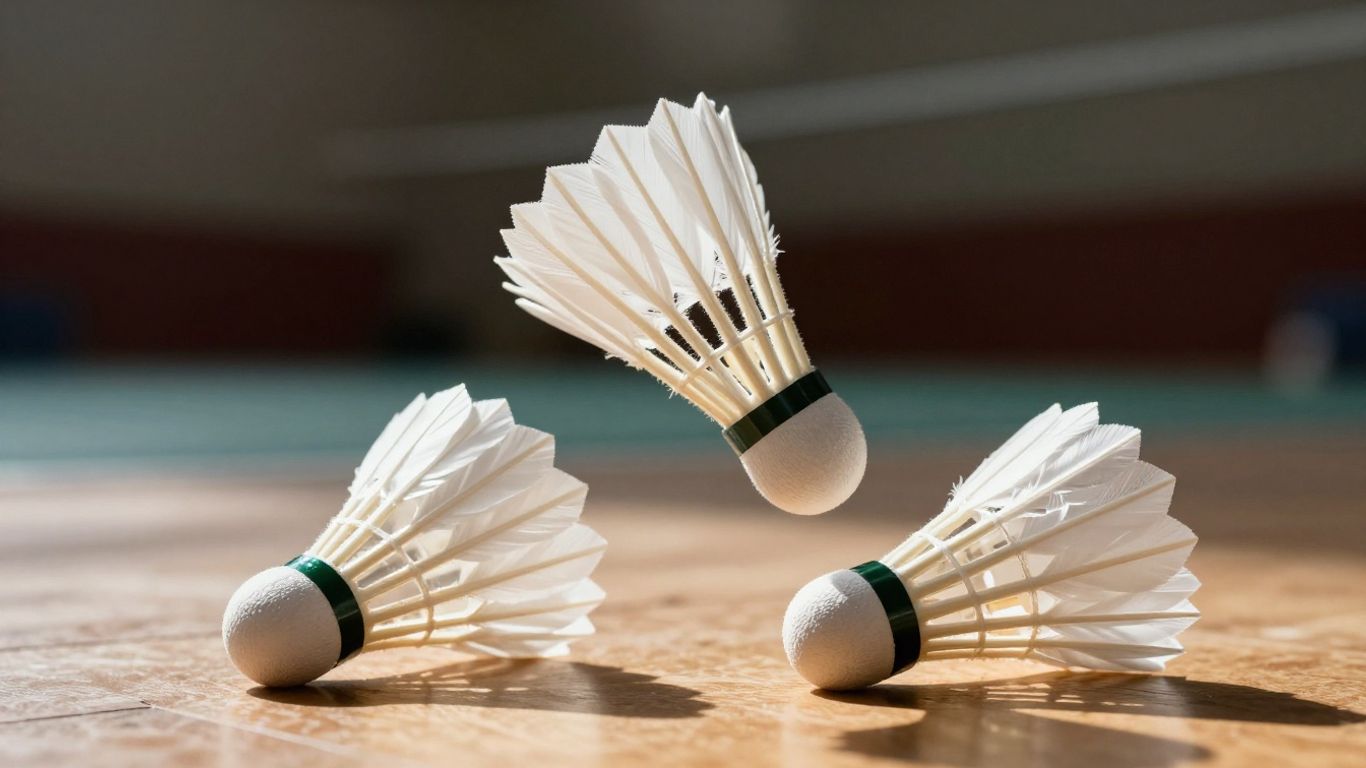
Feather shuttlecocks are the ones you see the pros using. They’re made from real feathers, usually from ducks or geese, and they’re attached to a cork base. These are generally considered the gold standard for serious play because of how they fly. They have a really nice, stable trajectory and tend to slow down predictably after being hit hard. This makes them great for control and precision. However, they’re not exactly built to last. Feathers can get bent or broken pretty easily, especially if you’re playing outdoors or if you’re hitting them hard a lot. So, while they offer amazing flight, you’ll probably go through them faster than other types. If you’re looking for the best flight characteristics, especially for competitive matches, feather shuttles are usually the way to go. You can find out more about different feather types and their impact.
The Durability of Synthetic Shuttlecocks
On the other hand, you have synthetic shuttlecocks. These are usually made from nylon or plastic, and they’re designed to be tougher. Think of them as the workhorses of the shuttlecock world. They can take a beating and last a lot longer than feather ones, which is why they’re super popular for practice and casual games. They’re also generally cheaper, which is a big plus when you’re buying in bulk for training sessions. The trade-off? They don’t always fly quite as smoothly or predictably as feather shuttlecocks. Some can feel a bit too fast or might not have that nice, stable descent. But for just getting reps in and not worrying about wrecking expensive gear, they’re fantastic.
Hybrid Shuttlecock Construction
Then there are the hybrids. These try to give you the best of both worlds. They often have a synthetic skirt, like the plastic ones, but with a cork base, similar to feather shuttles. Some might even use a mix of materials in the skirt itself. The idea is to get some of that nice flight stability from the feather design but with better durability than a pure feather shuttle. They can be a really good middle ground, especially if you want something that performs well but won’t break the bank or fall apart after a few games. They’re a solid choice for players who want a good balance between performance and longevity.
Shuttlecocks are surprisingly complex pieces of equipment. The way they’re made directly influences how they behave in the air, affecting everything from speed and stability to how long they last. Understanding these basic types is the first step to picking one that fits your game, whether you’re just starting out or aiming for the big leagues.
Key Factors in Badminton Shuttlecock Selection
Picking the right shuttlecock can feel like a big deal, and honestly, it is. It’s not just about hitting a birdie back and forth; the little things really do matter. You want something that flies predictably, right? Let’s break down what makes a shuttlecock tick and how to pick one that won’t mess with your game.
Flight Consistency and Stability
This is probably the most important thing. You want a shuttlecock that goes where you want it to go, every time. If it wobbles or veers off course unexpectedly, it makes it really hard to play well, especially during rallies. Feather shuttlecocks, when they’re good quality, tend to offer the best stability. But even with synthetic ones, you can find options that are pretty consistent. Poorly made shuttlecocks, regardless of type, can have feathers that are uneven or misshapen, which really throws off their flight path. It’s worth looking into reviews or asking other players what they use.
Shuttlecock Speed Explained
Shuttlecocks come in different speeds, usually labeled with numbers like 75, 76, or 77. This isn’t about how fast the shuttlecock can go, but how it reacts to being hit in different conditions. Think of it like this: hotter air is thinner, so a shuttlecock will fly faster. Colder air is denser, slowing it down. So, if you’re playing in a warm gym, you might want a slightly slower shuttlecock (like a 75) to get a normal flight. If it’s cold, a faster one (like a 77) might be better. Altitude also plays a role; thinner air at higher elevations makes shuttles fly faster, so you’d want a slower one there too. It’s all about balancing the shuttlecock’s natural speed with the environment you’re playing in.
Here’s a quick rundown:
- Warm weather/High altitude: Use a slower shuttlecock (e.g., 75).
- Cold weather/Low altitude: Use a faster shuttlecock (e.g., 77).
- Moderate conditions: A medium speed (e.g., 76) is usually a safe bet.
Material Differences: Feather vs. Synthetic
We’ve touched on this, but it’s worth going over again. Feather shuttlecocks, usually made from goose feathers, are the pros’ choice. They offer that beautiful, stable flight and feel great when you hit them. The downside? They’re fragile and don’t last long, plus they cost more. Synthetic shuttlecocks, often made of nylon, are way more durable. You can hit them a lot without them falling apart, and they’re much cheaper. They’re perfect for practice or casual games. Some newer hybrid shuttlecock constructions try to blend the best of both worlds, offering better durability than pure feather but a more natural flight than pure synthetic.
Choosing between feather and synthetic really comes down to what you need. If you’re playing in a serious match and want the best flight, feather is the way to go. For just hitting around, practicing serves, or playing with friends, a synthetic shuttlecock will save you money and last much longer. It’s a trade-off between performance and practicality.
When you’re just starting out or practicing a lot, durability is often more important than perfect flight. You’ll be hitting a lot of shuttles, and you don’t want to be replacing them every other day. Synthetic options are usually the way to go for practice sessions. You can find decent ones that offer a good balance of flight and toughness without breaking the bank. For serious players, though, the feel and accuracy of a good feather shuttlecock are hard to beat, even if they are more expensive and prone to damage. Remember, low-quality feathers can really mess with your game, so even with feather options, quality matters.
Choosing the Right Badminton Shuttlecock for Your Game
Picking the right shuttlecock can really change how your game feels, especially when you’re just trying to get better. It’s not just about hitting the birdie; it’s about how it flies, how it feels when you hit it, and how long it lasts. If you’re serious about improving, then paying attention to your shuttlecock is a smart move. You don’t want to be practicing with something that makes every shot a guessing game, right?
Shuttlecocks for Professional Matches
For those playing in serious matches or tournaments, the choice usually leans towards feather shuttlecocks. These are made from real feathers, typically from ducks or geese, and they offer the best flight performance. They have a very stable trajectory and feel great when you make solid contact. However, they’re also more delicate and don’t last as long as synthetic ones. Plus, they tend to be on the pricier side. If you’re aiming for that top-level play, these are generally the standard. You’ll find that most professional events use specific types of feather shuttlecocks that meet strict regulations for consistency. It’s all about that predictable flight path and the crisp sound when you hit it just right.
Ideal Badminton Shuttlecocks for Practice
When you’re just practicing, durability and cost often become bigger factors. You’re going to be hitting a lot of shuttles, so you need something that can take a beating without falling apart after a few rallies. Synthetic or nylon shuttlecocks are usually the go-to here. They’re built tough and can handle repeated impacts much better than feather ones. While they might not fly exactly like a feather shuttlecock, many modern synthetic options come pretty close. They offer a good balance of performance and longevity, making your practice sessions more efficient and less expensive. For example, the Yonex Mavis 300 is a popular choice for its durability and decent flight, making it a solid option for regular training. It’s a good idea to have a look at different types of shuttlecocks to see what fits your practice needs.
Budget-Friendly Shuttlecock Options
Let’s be real, not everyone can afford to constantly buy expensive feather shuttlecocks, especially for casual play or when you’re just starting out. Thankfully, there are plenty of affordable options available. Synthetic shuttlecocks are almost always the most budget-friendly choice. You can find packs of nylon shuttlecocks for a very reasonable price, and they’ll last you a good while. Brands like Carlton offer some really solid, inexpensive shuttlecocks that are perfectly fine for recreational games or for beginners who are still developing their technique. You might not get the absolute best flight, but you’ll get plenty of play time without breaking the bank. It’s all about finding that sweet spot between cost and playability for your specific situation. Sometimes, just getting out there and playing is more important than having the fanciest gear.
When you’re choosing a shuttlecock, think about what you’ll be doing with it most. Are you competing? Practicing hard? Just having fun with friends? Your answer will point you toward the best type for your needs and your wallet.
Maintaining Your Badminton Shuttlecocks
So, you’ve got your shuttlecocks, and you want them to last, right? It’s not rocket science, but a little care goes a long way. Think of it like taking care of your favorite pair of shoes; you wouldn’t just toss them around, would you? Your shuttlecocks deserve a bit of respect too, especially if you’ve invested in some decent ones.
Proper Storage Techniques
This is probably the most important part. Keeping your shuttlecocks in a cool, dry place is key. Seriously, avoid leaving them in your car on a hot day or anywhere near a heater. Extreme temperatures can mess with the feathers or the plastic skirt, making them brittle or warped. A stable environment helps them keep their shape and fly true. For serious players, using a humidome can offer moisture control, which is pretty neat. Just remember, a little effort in storage means a lot for their performance later on. Store them in a cool, dry place.
Rotating Shuttlecock Usage
If you’re practicing regularly, don’t just grab the same shuttlecock every single time. Mix it up! Using a few different shuttlecocks during a practice session spreads out the wear and tear. This way, no single shuttlecock gets beaten up too quickly. It’s a simple strategy, but it really helps prolong the life of your whole batch. Think of it as giving each shuttlecock a fair chance.
Identifying and Replacing Damaged Shuttlecocks
Eventually, even the best shuttlecocks will show signs of wear. You’ll notice bent feathers, a cracked skirt, or just a general inconsistency in how they fly. If a shuttlecock isn’t flying straight or feels off, it’s probably time to retire it. Playing with a damaged shuttlecock can actually mess with your training because the flight path won’t be predictable. It’s better to swap it out for a fresh one and keep your practice sessions productive.
A damaged shuttlecock can negatively impact your practice sessions by providing inconsistent flight patterns. It’s better to replace it than to try and make do.
Here’s a quick rundown of what to look for:
- Bent or broken feathers: This is a common sign of damage, especially with feather shuttlecocks.
- Cracked or deformed base: For synthetic shuttlecocks, look for any splits or misshapen bases.
- Inconsistent flight: If the shuttlecock starts veering off course unexpectedly, it’s likely past its prime.
- Reduced speed: Sometimes, damage can make a shuttlecock fly slower than it should.
Shuttlecock Specifications for Competitive Play
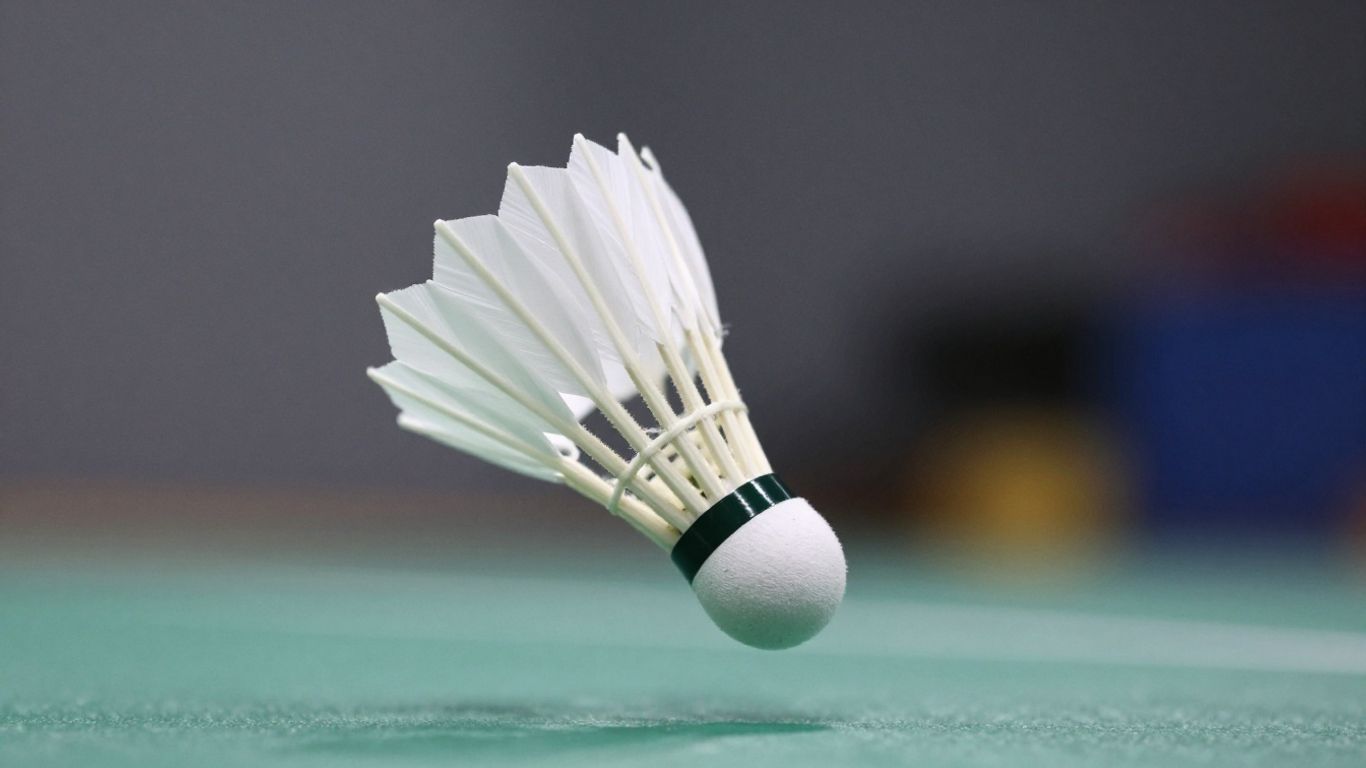
When you’re stepping onto the court for a serious match, the details matter. And when it comes to badminton, those details often start with the shuttlecock. Using shuttlecocks that meet official standards isn’t just about following rules; it’s about making sure the game is fair and consistent for everyone involved. The Badminton World Federation (BWF) has laid out some pretty specific guidelines to make sure every shuttlecock performs predictably.
Understanding BWF Shuttlecock Regulations
The BWF sets the standard for what makes a shuttlecock legal for competitive play. These regulations cover everything from how the shuttlecock is made to how it should fly. The goal is to eliminate any guesswork and ensure that the player’s skill, not the equipment’s inconsistency, is what decides the outcome of a rally. This means checking that the shuttlecocks you’re using are approved and haven’t been tampered with or are outside the acceptable range of measurements.
Measuring Shuttlecock Weight and Length
Getting the measurements right is key. A shuttlecock needs to fall within a specific weight and length range to ensure it flies the way it’s supposed to. If a shuttlecock is too light or too heavy, or too short or too long, its flight path will be off, affecting everything from your serve to your clears. It’s a simple check, but it makes a big difference in how the game plays out. For official matches, you’ll often see officials checking these specs.
Here’s a quick look at the standard measurements:
| Measurement | Standard Range |
|---|---|
| Weight | 4.74g – 5.50g |
| Length | 68mm – 72mm |
Ensuring Fair Play with Standardized Shuttlecocks
Using shuttlecocks that adhere to these BWF specifications is pretty straightforward, but it’s a big deal for fair competition. It means that whether you’re playing in a local tournament or a major championship, the equipment behaves the same way. This consistency allows players to focus on their strategy and execution. If you’re looking for shuttlecocks that are known for their consistent performance in tournaments, the Yonex Aerosensa 40 is often mentioned by players.
The flight characteristics of a shuttlecock are directly tied to its physical dimensions and the quality of its materials. Even slight deviations can alter its speed, trajectory, and stability, impacting the dynamics of the game. Adhering to BWF standards ensures a level playing field where performance is dictated by skill.
Beyond just weight and length, the condition of the feathers and the overall construction also play a role. Feathers should be evenly spaced and undamaged to promote a stable flight. When you’re buying shuttlecocks for serious play, it’s worth checking out options that are specifically designed to meet these competitive standards, like those used in tournament play.
Wrapping It Up
So, we’ve gone over a bunch of stuff about shuttlecocks, right? From the fancy feather ones pros use to the tougher synthetic ones for just hitting around. Honestly, picking the right one isn’t some huge mystery. Think about how you play, what you can spend, and what you’re trying to get out of your game. Whether you’re just starting out or you’ve been playing for ages, getting a shuttlecock that flies right and lasts a decent amount of time can really make your practice sessions better. It’s not the most exciting part of badminton, sure, but it definitely matters. Get the right bird, and you’ll probably have more fun and get better faster. Happy hitting!
Frequently Asked Questions
What’s the main difference between feather and synthetic shuttlecocks?
Feather shuttlecocks, usually made from duck or goose feathers, are preferred by pros because they fly straighter and offer better control. However, they’re more fragile and costlier. Synthetic shuttlecocks, often made of nylon, are tougher, last longer, and are cheaper, making them great for practice, but they don’t fly quite as smoothly.
How does shuttlecock speed affect my game?
Shuttlecock speed tells you how fast and far it will travel. Slower speeds (like 74-76) are good for hot weather or high places where the air is thinner. Faster speeds (like 78-79) work better in cold weather or at sea level. Choosing the right speed helps make your game more consistent and enjoyable.
Are expensive shuttlecocks always better?
Not necessarily! While high-end feather shuttlecocks offer the best flight for pros, they can be overkill for casual play or practice. For practice, durable synthetic shuttlecocks like the Yonex Mavis 300 or Babolat Hybrid can be excellent and more cost-effective. It’s about matching the shuttlecock to your needs and budget.
How can I make my shuttlecocks last longer?
To keep your shuttlecocks in good shape, store them in their original tube in a cool, dry place away from direct sunlight or heat. Avoid leaving them out in the open. Also, try to rotate which shuttlecocks you use during practice so they all get worn out evenly.
What are the official rules for shuttlecock size and weight in tournaments?
For official matches, the Badminton World Federation (BWF) has strict rules. A shuttlecock must weigh between 4.74 and 5.50 grams and be between 68mm and 72mm long. These rules ensure that every match is played with fair and consistent equipment.
When should I replace a shuttlecock?
You should replace a shuttlecock when it starts to look damaged or its flight becomes wobbly and inconsistent. For feather shuttlecocks, this might mean bent or broken feathers. For synthetic ones, it could be a cracked base or damaged skirt. A bad shuttlecock can really mess up your game!