
So, you want to know how do you smash in badminton? It’s a question many players ask because, let’s face it, a good smash can win you points and totally change the game. But getting it right isn’t always easy. Lots of people struggle with hitting it hard or at the right time. We’ve all been there, right? Trying to smash and it just sort of… floats. This guide is going to break down what goes into a solid smash, from how you hold the racket to how you move your body. We’ll cover the common slip-ups and how to fix them, so you can start hitting those winners.
Key Takeaways
- Get your body in the right spot, sideways, with your hitting arm ready. This sets you up to use your whole body, not just your arm.
- Hold the racket loosely until the last second before hitting. This helps you swing faster and hit harder.
- Power comes from your legs and your body turning, not just your arm. Think of it like a whip cracking.
- Try to hit the shuttle when it’s as high as you can reach. This gives you a better angle and more power.
- Practice makes perfect. Doing it over and over helps your body remember the right moves, and working on your core strength helps too.
Mastering The Fundamentals Of The Badminton Smash
Understanding The Smash: A Deep Dive
The badminton smash. It’s that big, powerful shot everyone wants to nail. It’s the point-winner, the rally-ender, the thing that makes spectators gasp. But honestly, getting it right isn’t just about swinging hard. It’s about a whole bunch of little things that come together. Many players, especially when they’re starting out, find their smashes just don’t have that punch. They might hit it, sure, but it’s not going where they want, or it’s not fast enough to really trouble the other side. We’re talking about getting the shuttle to drop like a stone, right? That’s the goal.
Think about it: most amateur players feel their smashes are a bit weak or just not consistent. Why? Often, it’s because they’re hitting the shuttle at the wrong time, or they’re not in the right spot to really put their body into it. Relying just on your arm? Yeah, that’s a common trap. We need to use our whole body to make that smash sing.
Getting the smash right is a mix of technique, timing, and using your body efficiently. It’s not just about brute force; it’s about smart force.
Proper Badminton Grip Technique
So, let’s talk about how you hold the racket. For a smash, you’ll generally want to use a forehand grip. But here’s the trick: don’t grip it like you’re trying to crush it. Keep it pretty relaxed, especially as you’re bringing the racket back. You want to tighten your grip right at the last second, just before you make contact with the shuttle. This little bit of relaxation beforehand is what lets you whip the racket head around faster, and that’s where the speed comes from. If you find your smashes are going a bit off-course, maybe a little too much slice, try adjusting your grip slightly. Think about moving your hand a bit more towards a ‘panhandle’ position. This can help you hit the shuttle flatter and more directly.
Here’s a quick rundown:
- Relaxed Grip: Hold the racket loosely before the swing.
- Tighten at Impact: Firm up your grip just before hitting the shuttle.
- Forehand Base: Start with a standard forehand grip.
- Adjust for Control: Tweak slightly if you’re slicing too much.
Body Orientation For Maximum Power
Okay, how you stand and move your body makes a huge difference. To get the most power, you need to be in the right position relative to the shuttle. Generally, you want to be a little bit behind the shuttle when you hit it – maybe half a meter or so. This lets you move forward into the shot. Your body should be sideways to the net, with your hitting arm bent at about a 90-degree angle. Your non-hitting arm? Point it up towards the shuttle. This helps with balance and also gives you a better sense of where the shuttle is. It sets you up to rotate your body, which is where a lot of the smash’s power actually comes from, not just your arm.
Unleashing Power Through Body Mechanics
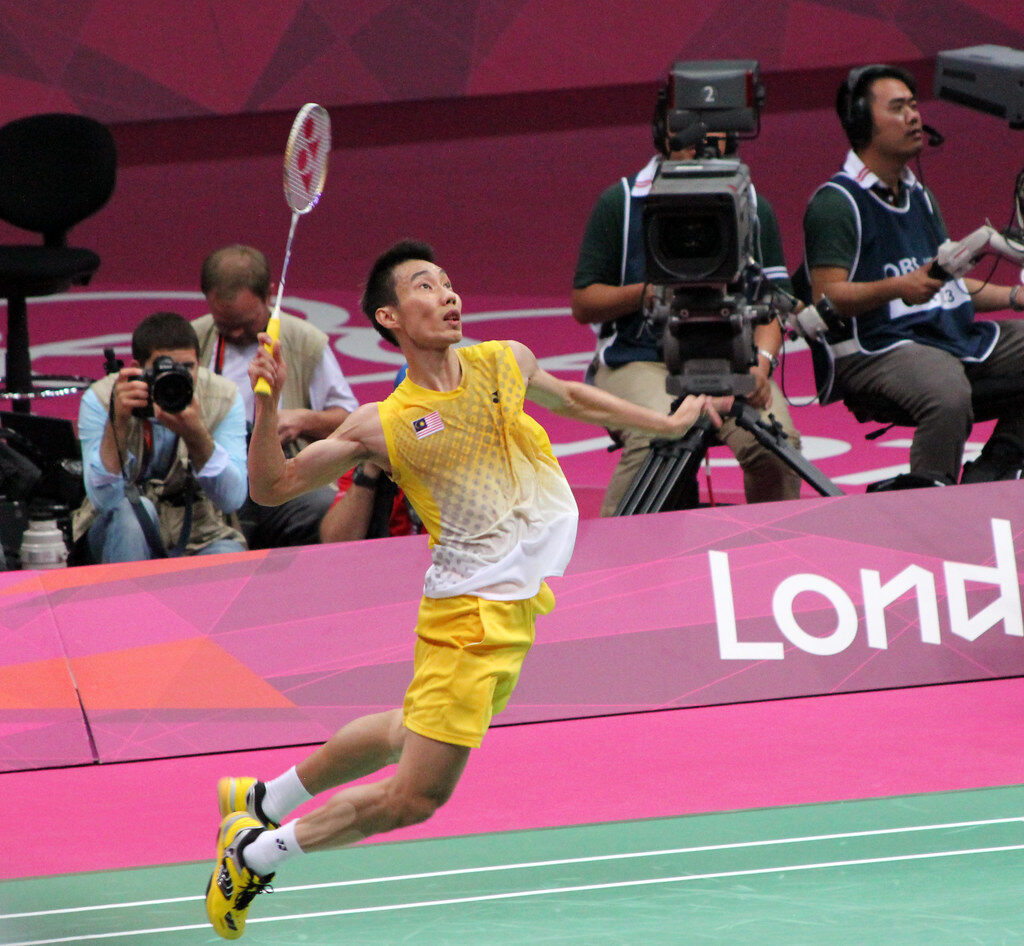
Smashing in badminton isn’t just about swinging your arm really hard. The real power comes from using your whole body in a coordinated way. Think of it like a whip – the handle moves, and that energy travels all the way to the tip, making it snap. Your body works the same way when you smash.
Generating Energy From Your Legs
It all starts from the ground up. Your legs are the engine for your smash. You need to bend your knees and push off powerfully. This initial burst of energy is what gets everything else moving. Without a strong leg drive, your smash will feel weak, no matter how hard you swing your arm. It’s about transferring that upward momentum into the rest of your body.
- Bend knees deeply before the jump or push-off.
- Explode upwards and forwards, using your glutes and quads.
- Keep your weight balanced so you can transfer power effectively.
Coordinated Hip And Torso Rotation
Once your legs have done their job, it’s time for your hips and torso to take over. As you swing your racket forward, you need to rotate your hips and then your torso. This rotation adds a huge amount of speed to your racket head. Imagine you’re trying to twist your body around to face the net after you hit the shuttle. This twist is where a lot of that smash power is generated. It’s a chain reaction, and each part needs to work smoothly with the next.
Smooth Shoulder And Elbow Follow-Through
Don’t stop the motion after you hit the shuttle. The follow-through is just as important. After your torso rotates and you make contact, let your shoulder and elbow naturally continue the swing. This smooth follow-through helps maintain balance and prevents injuries. It also ensures you’ve transferred all the energy into the shot. A good follow-through means your racket might end up across your body or even behind you. It’s a sign that you’ve used your body’s momentum fully. For more on how to get your body moving right, check out badminton grip technique.
The key is to think of your body as one continuous unit. From your feet pushing off the ground to your racket finishing its swing, every part should work together. Trying to force power with just your arm is like trying to push a car by only moving your hands; it just doesn’t work as well.
| Body Part | Action |
|---|---|
| Legs | Bend and push off for upward momentum |
| Hips | Initiate rotation towards the shuttle |
| Torso | Follow hips, adding rotational speed |
| Shoulder & Elbow | Smoothly continue the swing after impact |
Perfecting Your Smash Timing And Execution
Alright, so you’ve got the grip, you’re standing right, and you’re ready to bring the thunder. But when exactly do you swing? And how do you make sure that racket meets the shuttle with some serious zip? This is where timing and execution come into play, and honestly, it’s a bit of an art form.
Striking The Shuttle At Its Highest Point
This is probably the most talked-about aspect of a good smash, and for good reason. You want to hit that shuttle when it’s as high as possible. Think about it – the higher you hit it, the steeper the angle you can create, and the less time your opponent has to react. It’s like dropping a ball versus throwing it down; gravity does a lot of the work for you when you hit from a higher point.
- Wait for the shuttle to reach its peak. Don’t rush it. Sometimes it feels like you’re waiting forever, but that extra second can make all the difference between a winning smash and one that just floats back over.
- Adjust your position. If you find yourself consistently hitting the shuttle too low, it means you’re probably not getting into position early enough. You need to move under the shuttle.
- Keep your eye on the prize. Seriously, don’t lose sight of the shuttle. Your head and eyes should be locked onto it from the moment it leaves your opponent’s racket until you make contact.
Creating Racket Head Speed
Power isn’t just about how hard you swing your arm; it’s about how fast the head of your racket is moving when it connects with the shuttle. This is where that relaxed grip we talked about earlier really pays off. A tight grip chokes the life out of your swing.
Think of it like cracking a whip. The handle moves, but the tip moves much, much faster. You want that same kind of acceleration happening with your racket. It comes from a smooth, fluid motion that starts from your legs and travels all the way up through your body and into your arm and wrist.
The key is to accelerate through the shot, not just swing at it. Imagine you’re trying to snap the shuttle with your racket. That last-second burst of speed is what you’re aiming for.
Maintaining Control During The Swing
Now, this might sound a bit contradictory to creating speed, but control is just as important. You can swing as hard as you want, but if you’re flailing all over the place, the shuttle’s going to end up wherever it feels like.
- Follow through. Don’t stop your swing the moment you hit the shuttle. Let your arm and racket continue their natural path across your body. This helps guide the shuttle and also aids in balance.
- Stay balanced. If you’re off-balance when you swing, you’re going to lose power and control. Make sure your feet are planted, and you’re not leaning too far back or forward.
- Practice makes perfect. Seriously, the more you practice, the more natural this whole sequence will feel. You’ll start to develop that feel for when to accelerate and how to keep everything smooth.
Strategic Shot Placement For Dominance
Targeting Opponent Weaknesses
Okay, so you’ve got the power and the timing down. That’s awesome. But just smashing the shuttle as hard as you can isn’t always the winning move. You gotta think about where you’re sending it. The best players don’t just hit hard; they hit smart. This means looking for those little openings, those spots on the court your opponent struggles to get to. Maybe they’re a bit slow on their backhand side, or perhaps they tend to stand too far back. That’s your cue. Aiming for their body can also be super effective because it doesn’t give them a clean angle to hit back. It forces an awkward return, and that’s usually when you can finish the point.
Avoiding Predictable Smash Areas
Here’s the flip side: don’t be a one-trick pony. If you always smash to the same spot, your opponent will start to read you like a book. They’ll be waiting, ready to pounce. Think about mixing it up. If you just smashed cross-court, maybe the next one goes straight down the line. Or, if you’ve been smashing to their forehand, try a quick one to their backhand, even if it’s not their weakest side. The surprise factor is huge in badminton. You want to keep them guessing, always on the back foot, scrambling to get to the shuttle.
Achieving A Steeper Trajectory
This is a big one, and it ties into hitting the shuttle at its highest point. When you smash with a steep angle, the shuttle drops down much faster. This gives your opponent less time to react and makes it way harder for them to return it effectively. Think of it like dropping a ball versus throwing it flat. The dropped ball lands sooner. To get that steep angle, you really need to get your racket up high and hit down on the shuttle. It’s not just about hitting it hard; it’s about hitting it down hard. A flatter smash often just lands too deep, giving your opponent more time than they need.
A smash that drops quickly is a winner. It forces your opponent to react fast, often leading to a weak return or a missed shot entirely. Focus on hitting the shuttle when it’s at its peak height and driving it downwards.
Common Pitfalls And How To Avoid Them
Addressing Poor Timing Issues
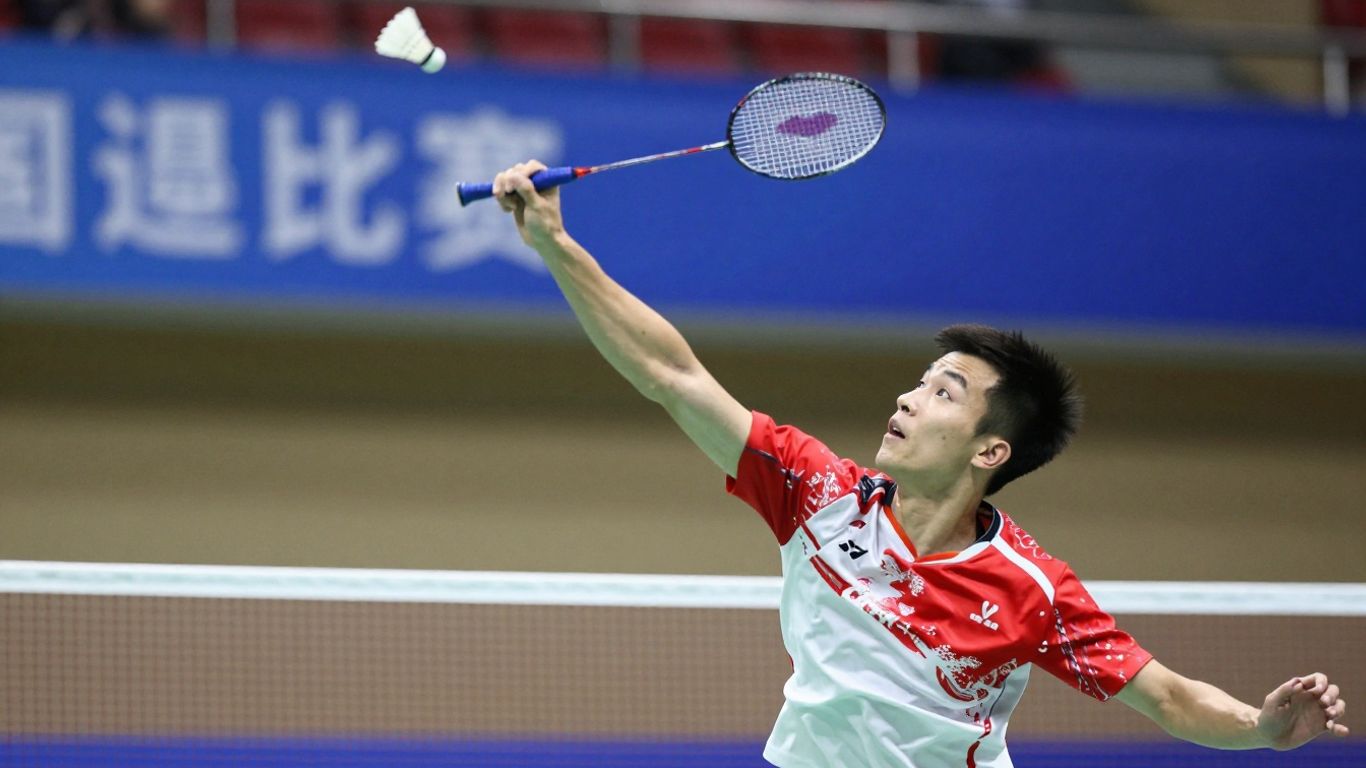
Lots of players get this wrong. They swing way too early or way too late, and the shuttle just kind of floats over the net. It’s frustrating, right? The key here is to watch the shuttle all the way onto your racket. Don’t commit to the swing until you’re sure you’ve got the right contact point. Try to time your jump or your reach so that you’re hitting the shuttle at its absolute highest point. This gives you the best angle and the most power. It takes practice, but focusing on that moment of impact makes a huge difference.
Correcting Incorrect Body Positioning
Sometimes, you see players leaning back too much or not getting their body weight behind the shot. This really kills your power. You want to be balanced, with your non-racket side facing the net as much as possible. Think about using your legs to generate power, then rotating your hips and torso. It’s like a whip action. If you’re just swinging your arm, you’re leaving a lot of potential power on the table. Get your whole body involved!
Overcoming Inadequate Shot Placement
Smashing straight at your opponent is usually a bad idea. They’ll just hit it back, probably harder. You need to think about where you’re sending that smash. Are they out of position? Can you hit it to their weaker side? Or maybe aim for the back corners? A good smash isn’t just about power; it’s about making it hard for them to return. Try to aim for a steep angle too, so it drops quickly. This makes it much tougher for them to react.
A smash that’s too flat often lands out or gives your opponent an easy high ball to attack. Focus on hitting down, not just forward.
Elevating Your Smash Through Practice
Okay, so you’ve got the basics down, you know how to swing, and you’re hitting the shuttle. That’s great! But to really make your smash a weapon, you’ve got to put in the work. It’s not just about hitting hard once in a while; it’s about making that powerful smash a consistent part of your game. This means drilling it, refining it, and making it second nature.
Consistent Practice For Muscle Memory
Think of it like learning to ride a bike. At first, it’s wobbly and you might fall. But the more you practice, the more your body just knows what to do. The same applies to your smash. You need to hit so many smashes that your body remembers the motion without you even having to think about it. This builds muscle memory, which is key for reacting quickly and executing the shot perfectly when the opportunity arises. Try to dedicate specific time during your training sessions just for smashing. Don’t just hit a few here and there; make it a focused part of your routine. You can even try drills where you hit 50 smashes in a row, focusing on form each time. It might sound tedious, but it really pays off.
Focusing On Core Strength
Here’s something that often gets overlooked: your core. That’s your stomach and back muscles. A strong core is like the engine for your smash. It helps you rotate your body faster and with more control, which directly translates to more power and a quicker racket head speed. You don’t need to become a bodybuilder, but adding some simple exercises can make a big difference. Think about planks, Russian twists, or even just some basic crunches. Doing these a few times a week will really help you generate that explosive power from your midsection.
Analyzing Professional Player Techniques
Watching the pros is like getting a free masterclass. You can see exactly how they move, how they position themselves, and how they generate so much power. Don’t just watch them hit smashes; really look at what they’re doing before, during, and after the shot. Pay attention to their footwork, how they coil their body, and their follow-through. You can find tons of videos online showing professional badminton players in action. Try to mimic their movements in slow motion when you practice. It’s a great way to pick up on subtle details that can seriously improve your own game. If you’re looking for good equipment to help you practice, check out badminton equipment.
Building a great smash isn’t just about brute force. It’s a combination of technique, timing, and consistent repetition. Don’t get discouraged if it doesn’t happen overnight. Keep practicing, keep analyzing, and keep pushing yourself.
Keep Smashing!
So, we’ve gone over how to get your smash to really pack a punch. It’s all about getting your body in the right spot, holding the racket just so, and really using your whole body to swing, not just your arm. And don’t forget timing – hitting the shuttle at the perfect moment makes a huge difference. It takes practice, for sure. You won’t nail it perfectly overnight, and that’s okay. Just keep at it, focus on these tips, and you’ll start seeing your smashes get way better. Don’t get discouraged if it feels tough at first; stick with it and you’ll be smashing like a pro before you know it.
Frequently Asked Questions
How can I hit a badminton smash with more power?
To really pack a punch into your smash, focus on using your whole body, not just your arm. Start by bending your knees and pushing off the ground. Then, twist your hips and torso powerfully, and let your shoulder and arm follow through. Also, make sure you’re hitting the shuttle at its highest point possible.
What’s the best way to hold the racket for a smash?
For a smash, you’ll want to use a forehand grip. The key is to keep your grip relaxed until the very last second before you hit the shuttle. This allows your wrist to snap through, creating more racket speed and power.
Why do my smashes often feel weak or off-target?
This usually comes down to timing and body positioning. If you’re not hitting the shuttle at its highest point, you’ll lose power. Also, if you’re not positioned correctly behind the shuttle, your body won’t be able to transfer energy effectively. Try to get your body into the right spot before you swing.
How can I make my smash land more steeply?
To get that steep, downward angle, you need to hit the shuttle a bit higher and make sure your racket face is angled downwards at impact. Think about bringing the shuttle down sharply rather than hitting it flat across the net.
What are some common mistakes players make when smashing?
A lot of players rely too much on their arm, forget to use their legs and core for power, or don’t time their swing correctly. Hitting with a bent elbow instead of a straight arm is another common error that cuts down on power and angle.
How important is practicing my smash?
Practice is super important! The more you practice, the more your body will remember the right movements, which is called muscle memory. It helps you get consistent with your technique, timing, and power, making your smash a reliable weapon in your game.