
Ever wondered what that feathery or plastic thing is called that players hit back and forth in badminton? It’s called a shuttlecock, and it’s pretty much the most important piece of equipment in the game. Seriously, without it, there’s no badminton! This guide is all about what is a shuttlecock, from what it’s made of to how it flies, and why picking the right one can actually make a difference in your game, whether you’re just starting out or you’ve been playing for ages.
Key Takeaways
-
A shuttlecock, also known as a birdie, is the projectile used in badminton, traditionally made with feathers and a cork base, though synthetic versions are common.
-
Feather shuttlecocks offer superior flight and control, favored by pros, but are less durable and more expensive.
-
Synthetic shuttlecocks are more durable and affordable, making them a great choice for practice, though their flight might not be as precise as feather ones.
-
The speed, flight stability, and durability of a shuttlecock are key factors that affect gameplay and practice effectiveness.
-
Proper storage and rotating usage can help extend the life of your shuttlecocks, ensuring consistent performance during play.
Understanding What Is A Shuttlecock
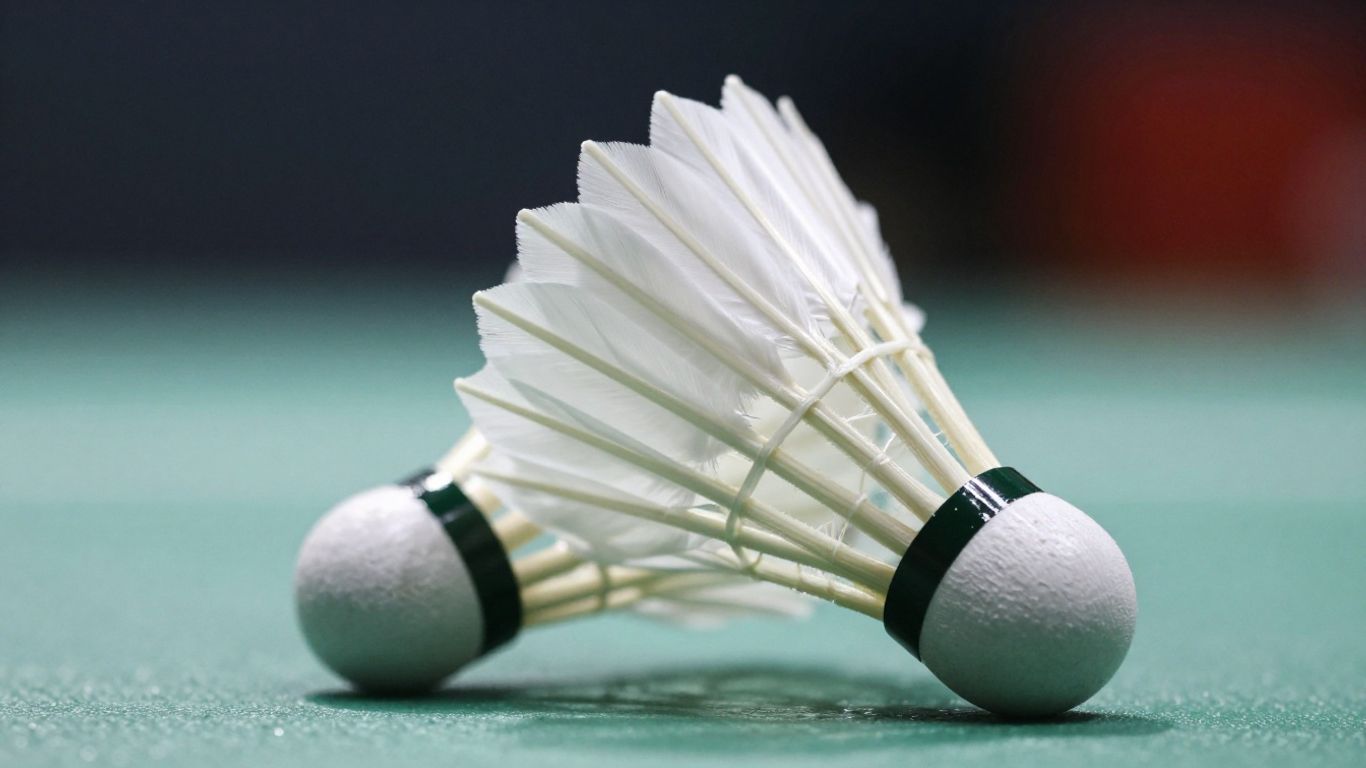
Alright, let’s talk about the shuttlecock. You know, that little thing that flies through the air during a badminton match? It’s not just any old projectile; it’s pretty unique and actually has a big impact on how the game is played.
The Basic Definition Of A Shuttlecock
So, what exactly is a shuttlecock? At its core, it’s a projectile used in badminton. It’s got this distinctive shape: a cone made of feathers (or sometimes plastic) attached to a rounded base, usually made of cork. This design isn’t just for looks; it makes the shuttlecock fly in a very specific way. Unlike a ball, it doesn’t really bounce. Instead, it has high drag, meaning it slows down pretty quickly after being hit. This characteristic is what makes badminton so different from other racket sports. The way a shuttlecock flies is its defining feature.
Historical Origins Of The Shuttlecock
Where did this odd-looking thing come from? Well, the history is a bit fuzzy, but it seems like games involving hitting a feathered object back and forth have been around for ages in different cultures. The modern game of badminton, however, really started taking shape in British India in the 1860s. They called it ‘Poona’ back then, after a town in India. The players there adapted an older game called battledore and shuttlecock. The early shuttlecocks were likely made from the feathers of birds, probably ducks or geese, stuck into a piece of cork. It’s pretty much the same basic idea we see today, just maybe a bit more rustic back then.
The Shuttlecock’s Role In Badminton
The shuttlecock is way more than just something to hit. Its unique flight pattern dictates a lot of the game’s strategy. Because it slows down so fast, you can’t just hit it hard and expect it to keep going like a tennis ball. This means players have to be precise with their shots.
Here’s a quick look at how its flight affects play:
-
High Shots (Lifts): When the shuttlecock is low, you often have to hit it upwards, sending it to the back of your opponent’s court. This gives them time to get into position.
-
Flat Shots (Drives/Pushes): If you can hit the shuttlecock when it’s closer to net height, you can send it flying fast and flat, aiming for the back corners. This is a more aggressive move.
-
Net Shots: A delicate touch near the net can send the shuttlecock just over, forcing your opponent into a difficult position.
The shuttlecock’s design, with its feathers creating drag, means that the game is less about raw power and more about finesse, placement, and quick reactions. It’s what makes badminton so dynamic and exciting to watch and play.
Exploring Shuttlecock Construction And Materials
So, you’ve got the basics of what a shuttlecock is, but what exactly goes into making this quirky projectile? It’s not just a bunch of feathers stuck to a cork, though that’s a good starting point. The materials used have a big impact on how the shuttlecock flies, how long it lasts, and, let’s be honest, how much it costs. We’ve got a few main types out there, each with its own fan club.
Feather Shuttlecocks: The Professional’s Choice
When you watch the pros play, you’re almost always seeing feather shuttlecocks. These are the traditionalists, made from goose or duck feathers, usually around 16 of them, all carefully arranged and stuck into a cork base. The cork itself is often covered with a thin layer of leather or some synthetic material. Feather shuttles are prized for their amazing flight characteristics. They have a natural tendency to slow down quickly after being hit, which is exactly what you want for precise play. They feel light and responsive, and they just behave predictably in the air. The downside? They’re not exactly built for the long haul. A few hard hits, especially from a powerful smash, and you might find yourself with a bent feather or two, making its flight a bit wonky. This means they’re generally more expensive and need replacing more often, which is why they’re usually reserved for serious matches and tournaments.
Synthetic Shuttlecocks: Durability And Affordability
If feather shuttles are the fancy sports cars, then synthetic shuttlecocks are the reliable sedans. These are the workhorses, designed to take a beating and keep on flying. They typically have a plastic skirt, which is way more durable than feathers, and a base that can be made from natural cork or a synthetic material like polyurethane. Because they’re tougher, they last a lot longer, making them a fantastic choice for practice sessions, casual games, or if you’re just starting out. They’re also significantly cheaper than feather shuttles, which is a big plus when you’re burning through them during drills. While they might not have that perfect feather-like flight, modern synthetic shuttles have gotten really good, offering a consistent and enjoyable experience for most players. They’re a great way to get a lot of playing time without breaking the bank.
Hybrid Shuttlecocks: Blending The Best Of Both Worlds
Now, for those who want a bit of everything, there are hybrid shuttlecocks. These are like the best of both worlds, trying to combine the flight qualities of feather shuttles with the durability of synthetic ones. They often use a mix of materials. For example, you might find a shuttle with a cork base, similar to feather ones, but with a more robust plastic skirt. This approach aims to give you a more natural feel and better flight than a pure synthetic, while still being tougher and more affordable than a full feather shuttle. They’re a good middle-ground option, especially if you’re looking for something that performs well without the high cost and fragility of premium feather shuttles. Many players find these hybrid options offer a nice balance for regular play.
The construction of a shuttlecock is a careful balance. Engineers and designers think about how the materials will interact with the air, how they’ll hold up to impact, and how they’ll feel in a player’s hand. It’s a small object, but a lot of thought goes into making it fly just right.
Factors Influencing Shuttlecock Performance
So, you’ve got your eye on improving your badminton game, and you’re wondering what makes one shuttlecock behave differently from another? It’s not just about the brand or how pretty it looks. Several key things really affect how a shuttlecock flies and how long it lasts. Understanding these can make a big difference in your practice and even your matches.
Flight Stability and Consistency
This is probably the most talked-about aspect. When we talk about stability, we mean how predictably the shuttlecock travels through the air. A stable shuttlecock will go where you aim it, more or less. Consistency means that every hit feels similar. You don’t want a shuttlecock that suddenly veers off course for no reason.
-
Feather shuttlecocks are generally known for their superior flight stability. The natural feathers create a unique aerodynamic profile that allows for a clean, straight flight path. This is why you see them used in professional tournaments.
-
Synthetic shuttlecocks have come a long way, but they can sometimes be a bit less consistent. Their flight path might vary slightly more, especially with cheaper models. However, good quality synthetics can offer a very reliable flight, making them great for practice.
The way a shuttlecock moves through the air is a delicate balance of forces. Think of it like a tiny, feathered airplane. Drag slows it down, while lift helps it stay airborne. The shape and material of the shuttlecock play a huge role in how these forces interact, dictating its characteristic soaring motion.
Durability for Practice and Play
Let’s be real, nobody likes a shuttlecock that falls apart after a few hits, especially during a long practice session. Durability is all about how well the shuttlecock holds up to repeated impacts.
-
Feather shuttles are beautiful to watch and hit, but they’re fragile. The feathers can bend, break, or get scuffed up pretty quickly. This means you’ll go through them faster and they can become expensive if you play a lot.
-
Synthetic shuttles are usually made from rubber and nylon or plastic. They are built to last much longer. You can often get dozens of games out of a single synthetic shuttlecock, which is why they are a popular choice for casual play and training.
The Impact of Shuttlecock Speed
Shuttlecocks come in different speed ratings, usually indicated by color bands (like blue for slow, green for medium, and red for fast). This isn’t just a random number; it’s carefully chosen based on playing conditions.
-
Temperature: Warmer air makes shuttlecocks fly faster, so you’d use a slower shuttle. Colder air slows them down, so you’d opt for a faster shuttle.
-
Altitude: Higher altitudes have thinner air, which means less resistance. You’ll need a faster shuttlecock to compensate.
-
Player Strength: Stronger players tend to hit the shuttlecock harder, which can also affect its flight. A faster shuttle might be needed to keep up with powerful smashes.
Choosing the right speed rating helps ensure that the shuttlecock behaves predictably, allowing players to focus on their technique rather than fighting against the equipment. It’s a small detail that makes a surprisingly big difference in how the game feels.
Choosing The Right Shuttlecock For Your Needs
So, you’ve got your racket, your shoes, and you’re ready to hit the court. But wait, what about the shuttlecock? It might seem like a small detail, but picking the right one can actually make a big difference in how you play and practice. It’s not just about grabbing any old tube off the shelf; there’s a bit more to it than that.
Selecting Shuttlecocks For Practice Sessions
When you’re just starting out or looking to get some solid practice in, durability and cost often take center stage. You don’t want to be replacing shuttlecocks every other rally, right? For most practice scenarios, synthetic shuttlecocks are usually the way to go. They’re built tough and can handle a lot more abuse than their feather counterparts. This means more time playing and less time fussing with broken shuttles. Plus, they won’t drain your wallet as quickly, which is always a bonus.
Considering Skill Level And Player Type
Your skill level really dictates what kind of shuttlecock will serve you best. If you’re a beginner, a durable synthetic shuttle is perfect for learning the basics and getting a feel for the game. As you get better, you might start noticing the differences in flight. Advanced players, especially those looking to compete, often prefer feather shuttlecocks. These offer a more natural and consistent flight path, which is important for developing precise shots and understanding rally dynamics. Feather shuttles offer faster rallies and more precise shots due to their lighter weight compared to plastic shuttles. This makes them a preferred choice for advanced play where speed and accuracy are paramount. feather shuttles
Here’s a quick rundown:
-
Beginner: Focus on durability and affordability. Synthetic shuttles are your best bet.
-
Intermediate: You might start looking for a balance. Some hybrids or higher-quality synthetics could work well.
-
Advanced/Competitive: Feather shuttlecocks are generally preferred for their flight characteristics and feel.
Balancing Cost And Quality
It’s a classic trade-off, isn’t it? You can get a super cheap pack of shuttlecocks that will fall apart after a few games, or you can spend a bit more for something that lasts longer and performs better. For casual play or just hitting around with friends, a mid-range synthetic shuttle often hits that sweet spot. If you’re serious about improving or playing matches, investing in higher-quality feather or hybrid shuttles makes sense. Think about how often you play and what your goals are. A good quality shuttlecock can make practice sessions much more effective.
Don’t underestimate the impact of a consistent shuttlecock on your game. Even small variations in flight can throw off your timing and make it harder to develop good habits. It’s worth spending a little extra to get something reliable.
|
Shuttlecock Type |
Typical Cost |
Durability |
Flight Quality |
|---|---|---|---|
|
Synthetic |
$ |
High |
Good |
|
Hybrid |
$$ |
High |
Very Good |
|
Feather |
$$$ |
Medium |
Excellent |
Maintaining Your Shuttlecock For Optimal Play
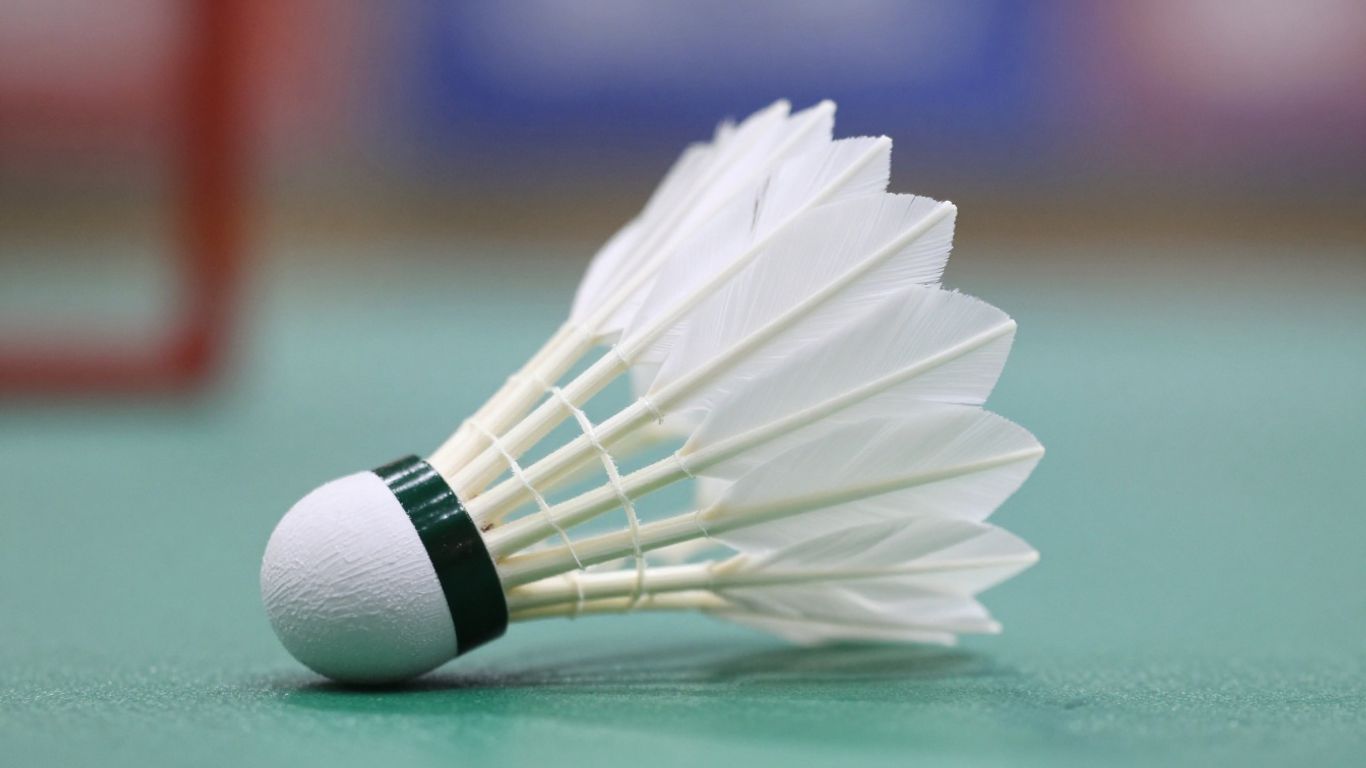
So, you’ve got your shuttlecocks, and you’re ready to hit the court. But what happens after the game? Just like any piece of equipment, shuttlecocks need a little TLC to keep them in good shape. If you just toss them in your bag, they won’t last as long as they could, and honestly, a beat-up shuttlecock can mess with your game. Let’s talk about how to keep them playing their best.
Proper Storage Techniques
This is probably the most important thing you can do. Think of it like storing delicate things – you wouldn’t leave a fragile vase out in the sun, right? Shuttlecocks are similar. Keep them in their original tube, upright, and in a cool, dry place. Why upright? Because if they’re stored on their side, especially feather ones, the skirt can get bent out of shape. Heat and moisture are the enemies here. Too much heat can make the glue weaken or the feathers brittle, and moisture can make them heavy and affect their flight. So, no leaving them in the car on a hot day or in a damp basement.
Rotating Usage For Longevity
If you’re practicing regularly, you’re probably going through shuttlecocks pretty quickly. Instead of just grabbing the first one you see, try to mix them up. If you have a few tubes, use a few from each. This way, no single shuttlecock is taking all the abuse. It’s like rotating your tires on a car; it helps everything last longer. For practice sessions, especially if you’re just hitting around or doing drills, using a slightly less perfect shuttlecock can be fine. Save your best ones for when you’re really playing a match or want to focus on precise shots.
Identifying And Replacing Damaged Shuttlecocks
Shuttlecocks don’t last forever, and that’s okay. You’ll know it’s time to say goodbye when you start noticing issues. A bent skirt, whether it’s from feathers or plastic, is a big sign. It’ll make the shuttlecock wobble or fly erratically. You might also notice that the base (the cork part) is getting crushed or damaged. If a shuttlecock starts to feel too light or too heavy, or if it just doesn’t fly straight anymore, it’s probably time to retire it. Playing with a damaged shuttlecock is frustrating because it won’t behave predictably, and it can actually teach you bad habits if you’re constantly adjusting to its weird flight. So, be honest with yourself and swap it out for a fresh one.
Taking a few minutes to properly store and rotate your shuttlecocks might seem like a small thing, but it really does make a difference in how long they last and how consistently they perform. It’s a simple step that saves you money and keeps your game smoother.
Wrapping It Up
So, that’s the lowdown on shuttlecocks, or birdies, whatever you call ’em. They might seem simple, just a bunch of feathers or plastic stuck to a cork, but they’re really the heart of the game. Whether you’re just starting out and need something tough that won’t break the bank, or you’re aiming for pro-level play where every little bit of flight matters, there’s a shuttlecock out there for you. Picking the right one can seriously make your practice sessions way better, helping you get a feel for the game and improve your shots. Don’t just grab any old thing; think about what you need, and you’ll be smashing like a champ in no time. It’s all about having the right gear to enjoy the game and get better.
Frequently Asked Questions
What exactly is a shuttlecock?
A shuttlecock, sometimes called a birdie, is the projectile used in badminton. It’s shaped like a cone with feathers or plastic attached to a rubber or cork base. Its unique shape makes it fly in a specific way that’s different from balls used in other sports.
Why are feather shuttlecocks used in professional games?
Professional players prefer feather shuttlecocks because they offer the best flight and control. They are made from real feathers, usually from ducks or geese, and provide excellent speed and accuracy. While they are great for matches, they don’t last as long as plastic ones.
What are synthetic shuttlecocks made of?
Synthetic shuttlecocks are typically made with a plastic skirt and a base that can be natural cork or a type of plastic called polyurethane. They are a more affordable and durable option compared to feather shuttlecocks, making them a popular choice for practice.
How does the speed of a shuttlecock affect the game?
Shuttlecock speed is important because it determines how fast the shuttle travels across the net. Different speeds are designed for different playing conditions and skill levels. A shuttlecock that’s too fast or too slow can make the game harder to play and less enjoyable.
How should I store my shuttlecocks to make them last longer?
To keep your shuttlecocks in good shape, store them in a cool, dry place. Avoid putting them in places that are too hot or too damp, as this can damage the feathers or plastic. Keeping them in their original tube is usually the best way to protect them.
When should I replace a shuttlecock?
You should replace a shuttlecock when it starts to look damaged or doesn’t fly straight anymore. For feather shuttlecocks, this might mean bent or broken feathers. For synthetic ones, it could be a cracked base or a skirt that’s coming apart. A damaged shuttlecock won’t fly correctly, which can mess up your game.