
Setting up a badminton court or just curious about the rules? Knowing how high the net should be is pretty important for a fair game. It’s not just about hitting the shuttlecock over; the net’s height really changes how you play. Too high, and it’s tough to get the shuttle down. Too low, and it feels a bit unfair. So, let’s get into the official measurements and clear up any confusion about how high is the net in badminton.
Key Takeaways
-
The official height of a badminton net is 1.55 meters (5 feet 1 inch) at the posts (sides) and drops slightly to 1.524 meters (5 feet) in the center.
-
The net should be 6.1 meters (20 feet) wide, spanning the entire court.
-
Maintaining the correct net height is vital for fair play, consistent shuttlecock trajectory, and preventing player injuries.
-
Badminton nets are typically made from durable materials like nylon or polyester with a sturdy headband and cable for support.
-
Common installation mistakes include incorrect height, loose tension, unstable posts, and using worn-out nets.
Official Badminton Net Height Specifications
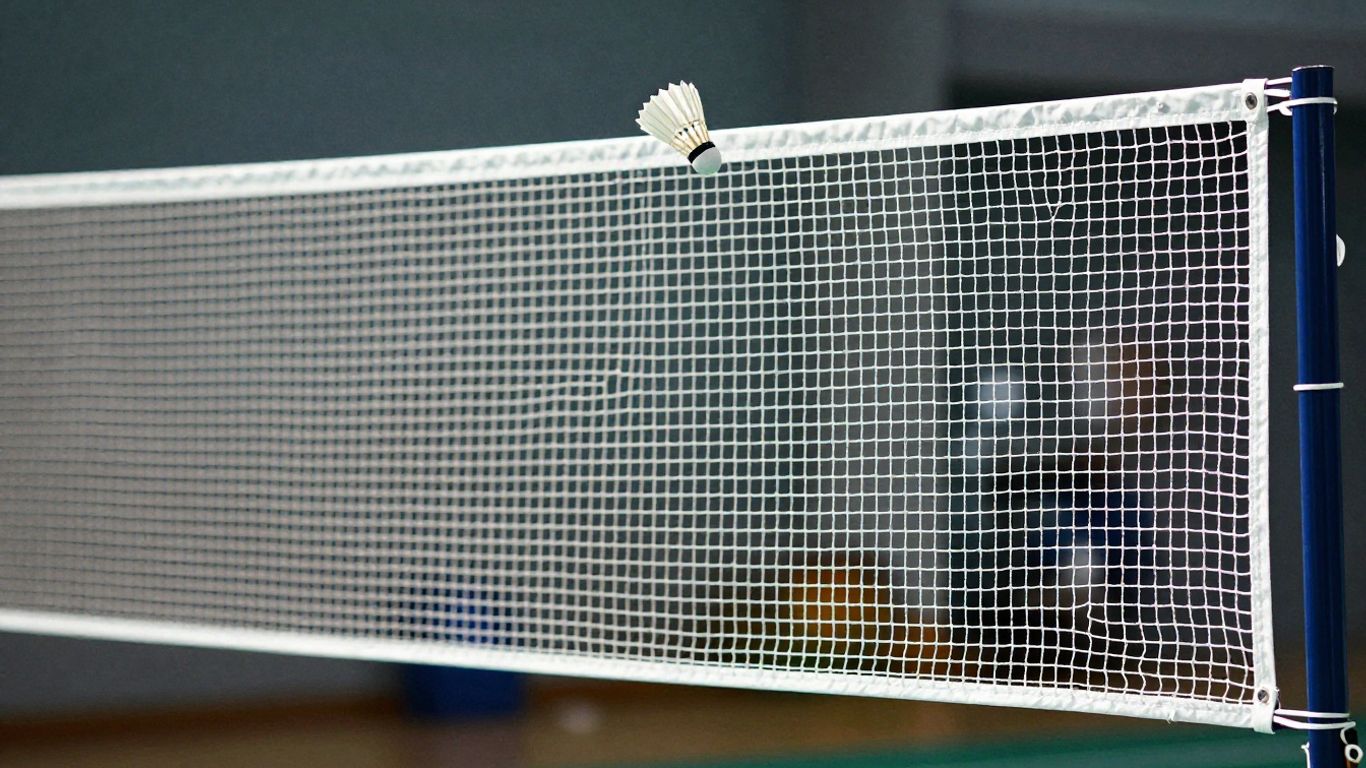
Setting up a badminton net correctly is pretty important if you want the game to be fair and fun. It’s not just about stringing up a piece of mesh; there are specific measurements that the pros use, and they make a difference.
Net Height at Sides
The height of the net at the posts, where it’s attached to the uprights, is a key measurement. This is set at 5 feet 1 inch (1.55 meters) from the court surface. This height is consistent across all official matches and is a standard you’ll find in the rulebooks. It’s the highest point of the net and sets the stage for how players will need to hit the shuttlecock.
Net Height at Centre
Now, here’s a little detail that often surprises people: the net isn’t perfectly flat. While the sides are at 5 feet 1 inch, the center of the net actually dips slightly. It should measure 5 feet (1.524 meters) high at its lowest point, right in the middle. This slight sag is intentional. It helps create a more dynamic game and is a standard part of the official badminton net setup.
Net Width and Length
The net needs to stretch across the entire width of the court. For a standard court, the net should be 6.1 meters (20 feet) long. This ensures it covers the full playing area, from one doubles sideline to the other. The height of the net itself, meaning how tall the mesh is from top to bottom, is typically around 0.76 meters (2.5 feet), but the critical measurement for gameplay is its height off the ground.
Maintaining these precise measurements is what keeps the game consistent. It means players can focus on their skills without having to adjust to a net that’s too high or too low, which could change the whole game.
Here’s a quick rundown of the main height specs:
-
Height at Posts (Sides): 5 feet 1 inch (1.55 meters)
-
Height at Centre: 5 feet (1.524 meters)
-
Net Length: 20 feet (6.1 meters)
Getting these measurements right is the first step to a proper badminton setup.
Understanding Badminton Net Dimensions
So, you’ve got the official height down, but what about the other measurements that make up a badminton net? It’s not just about how high it is; the width, mesh, and even the top band all play a part in how the game flows. Let’s break down these details so you know exactly what you’re looking at on the court.
Regulation Net Measurements
The dimensions of a badminton net are pretty specific to keep things fair. The net needs to stretch across the entire width of the court, which is 6.1 meters (or about 20 feet). This width stays the same whether you’re playing singles or doubles. The height, as we’ve touched on, is 1.55 meters (5 feet 1 inch) at the posts and dips slightly to 1.524 meters (5 feet) in the center. This slight sag is normal and helps keep the net taut.
Here’s a quick rundown:
-
Width: 6.1 meters (20 feet)
-
Height at Posts: 1.55 meters (5 feet 1 inch)
-
Height at Center: 1.524 meters (5 feet)
Mesh Size Requirements
Ever looked closely at a badminton net? You’ll notice it’s made up of small squares, called mesh. For official play, the mesh size usually isn’t larger than 19 millimeters (about 0.75 inches). This small mesh is important because it helps prevent the shuttlecock from getting stuck or passing through the net, which would definitely mess with the game. It also helps keep the net itself from deforming too much under the pressure of fast-paced rallies.
Top Band Specifications
That white strip you see along the top of the net? It’s not just for looks. This top band, often made of a sturdy material like canvas or vinyl, is usually at least 7 centimeters (around 2.75 inches) wide. It serves a couple of purposes. First, it gives the umpire or players a clear visual line to aim for. Second, it provides a strong edge to attach the net to the cable that runs through it, helping to keep the net straight and stable. It also adds a bit of durability to the part of the net that gets hit the most.
The consistent dimensions of a badminton net, from its width to the size of its mesh and the design of its top band, are all carefully considered. These details work together to create a standard playing field, making sure that skill and strategy are what decide a match, not the equipment itself.
It’s these precise measurements that help make sure every game, whether it’s a casual hit-around or a major tournament, is played under the same conditions. Pretty neat when you think about it!
The Importance of Correct Net Height
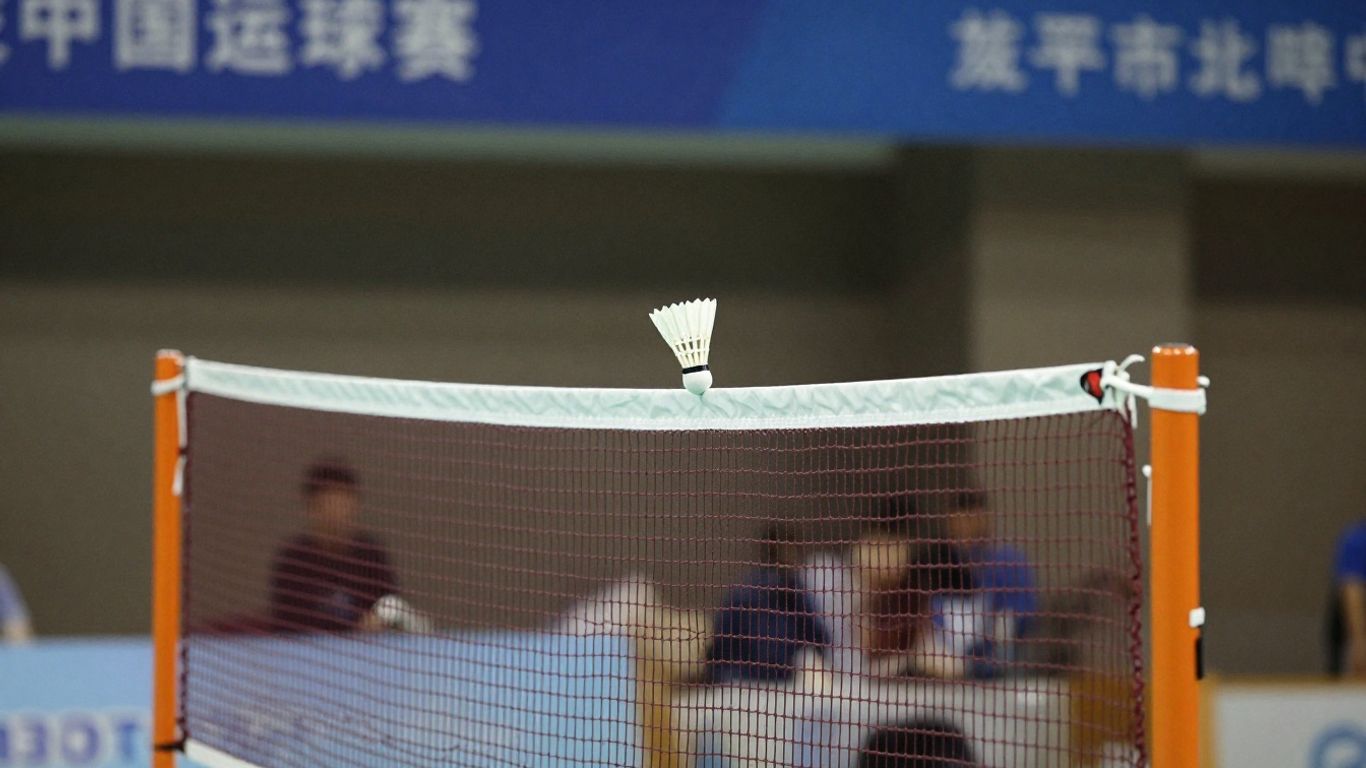
So, why does the exact height of a badminton net matter so much? It’s not just about aesthetics; it’s a pretty big deal for how the game actually plays out. Getting the net height right is key to fair competition and player safety. Think of it like the foundation of a house – if it’s not solid, the whole thing can get wobbly.
Ensuring Fair Play and Consistency
The official measurements for the net height, 1.55 meters at the sides and 1.524 meters at the center, create a level playing field. When everyone plays with the same net height, you know that skill and strategy are what determine the winner, not some random advantage from a wonky net. It means that a smash hit by one player should behave similarly to a smash hit by another, assuming similar technique. This consistency is what makes tournaments and even casual games feel legitimate. Without it, you’d have players constantly adjusting to different conditions, which just isn’t fun.
-
Standardized Play: Everyone competes under the same rules and dimensions.
-
Skill Focus: Players can concentrate on their technique and tactics.
-
Reduced Disputes: Clearer outcomes based on ability, not equipment quirks.
Impact on Shuttlecock Trajectory
Even a small difference in net height can mess with how the shuttlecock flies. A net that’s too high might make it harder to get the shuttlecock to dip over, leading to more shots hitting the net or going out. Conversely, a net that’s too low can make it easier to hit winners, but it also changes the defensive strategies players need to use. The slight dip in the middle of the net is designed to make sure the shuttlecock’s path is predictable, allowing for those exciting rallies and precise shots that badminton fans love. It’s all about that sweet spot where offense and defense are balanced.
The precise dimensions of the net, including its height and tension, directly influence the physics of the game. This affects everything from the angle of a smash to the feasibility of a delicate drop shot, shaping the strategic possibilities available to players.
Preventing Player Injuries
This might seem less obvious, but net height plays a role in safety too. If a net is too low, players might lunge or stretch in awkward ways to avoid hitting it, potentially straining themselves. If it’s too high, they might jump more aggressively than necessary. Sticking to the official height helps players maintain natural movements and reduces the risk of unexpected falls or overexertion. It’s about making sure the game is challenging but not unnecessarily risky. You can find more details on badminton rules to understand how these dimensions fit into the broader game regulations.
Materials and Construction of Badminton Nets
Durable Net Materials
When you’re looking at a badminton net, the first thing to consider is what it’s actually made of. Most regulation nets are crafted from strong, flexible materials like nylon or polyester. These fabrics hold up well against the constant wear and tear of shuttles hitting them and the general tension of the game. They also resist moisture and UV rays pretty well, which is a bonus if you ever play outdoors.
Headband and Cable Support
That white band you see at the top of the net? It’s not just for looks. This headband is usually made of a tougher material, like canvas or vinyl, and it’s where the net’s structural integrity really comes from. Inside this band, you’ll often find a steel or Kevlar cable. This cable runs through the entire width of the net and is what connects to the posts. It’s this cable that keeps the net taut and at the correct height, preventing it from sagging in the middle.
Knotless vs. Knotted Netting
Nets can be constructed in a couple of ways. You’ve got your traditional knotted netting, where each intersection of the mesh is tied off. Then there’s knotless netting. Knotless designs are often preferred because they tend to be more durable and can absorb impact a bit better. Plus, the lack of knots means a cleaner look and potentially less chance of snagging.
Here’s a quick rundown of common net specs:
|
Feature |
Specification |
|---|---|
|
Material |
Nylon or Polyester |
|
Mesh Size |
Max 2.5 cm (1 inch) |
|
Top Band Width |
Min 7 cm (2.75 inches) |
|
Cable Material |
Steel or Kevlar |
The quality of the materials and how the net is put together directly impacts the game. A well-made net ensures consistent play and lasts much longer, saving you hassle and money in the long run.
Net Placement and Post Positioning
Getting the net set up just right is super important for a good game of badminton. It’s not just about the height, which we’ve already talked about, but also where the posts go and how everything is secured. If the posts aren’t in the right spot, or the net isn’t pulled tight, it can really mess with how the shuttlecock flies and make the game feel unfair.
Post Placement at Doubles Sidelines
The rules are pretty specific here. For both singles and doubles matches, the net posts need to be placed right on the doubles sidelines. This might sound a little odd for singles, since the singles court is narrower, but it’s how they keep the net’s position consistent. The posts are usually set up 1.22 meters (about 4 feet) outside the singles court on each side. This placement is key because it means the net will span the full width of the doubles court, which is 6.1 meters (20 feet) across.
Ensuring Net is Taut and Stable
Once the posts are in place, the next big thing is making sure the net itself is properly tensioned. A sagging net is a no-go. It needs to be pulled tight and stable. This is usually done with a cable or cord running through the top headband of the net, which then attaches to the posts. Some nets also have a center strap that goes down to the court floor to help keep the middle from drooping. A taut net ensures the shuttlecock behaves predictably.
Common Installation Mistakes to Avoid
People often make a few slip-ups when setting up a net. It’s good to know what to watch out for:
-
Wrong Post Position: Putting the posts inside the doubles sidelines instead of on them. This changes the net’s width and tension.
-
Loose Net Tension: Not pulling the net tight enough, leading to a sag in the middle. This can make shots that should have gone over the net hit it instead.
-
Unstable Posts: Not securing the posts firmly to the ground or floor. Wobbly posts mean a wobbly net, which is distracting and can affect play.
-
Ignoring the Center Strap: Forgetting to use a center strap if the net requires one, which can lead to the net sagging in the middle.
Getting these details right might seem minor, but they really do make a difference in how the game plays out. It’s all about creating a level playing field where skill is the deciding factor, not faulty equipment.
Net Height Variations for Different Play
While the standard badminton net height is pretty well-defined for official matches, things can get a little flexible depending on who’s playing and where. It’s not always a one-size-fits-all situation, especially when you’re looking at younger players or just having a casual game outdoors.
Junior Badminton Net Height
For the most part, junior badminton sticks to the same net height rules as adult play. The Badminton World Federation (BWF) sets the standard at 1.55 meters (about 5 feet 1 inch) at the sides and a slightly lower 1.524 meters (around 5 feet) in the center. This keeps things consistent as young players develop their skills. It’s all about giving them a fair playing field that matches what they’ll see if they move up to higher levels of competition.
Outdoor Badminton Net Dimensions
When you take badminton outside, the net dimensions generally stay the same as indoor courts. You’re still looking at that 1.55m height at the sides and 1.524m in the middle. The width of the net should also be around 6.1 meters (about 20 feet). The main difference outdoors isn’t usually the net height itself, but the environment. Wind can really mess with the shuttlecock’s flight, making shots that would be in bounds indoors suddenly go way out. So, while the net is the same, the game feels different.
Beach Badminton Net Adaptations
Beach badminton is where you might see some more noticeable changes. To make the game work better on sand and with the elements, the net setup can be a bit different. Sometimes the height might be adjusted slightly, and they often use a different type of shuttlecock that’s heavier and less affected by wind. It’s all about keeping the game fun and playable, even with sand flying and a breeze blowing.
The goal with any variation in net height or setup is to keep the game enjoyable and fair for the players involved, whether they’re just starting out or playing in less-than-ideal conditions.
Here’s a quick look at the standard heights:
|
Location |
Height (meters) |
Height (feet/inches) |
|---|---|---|
|
Net at Sides |
1.55 |
5′ 1″ |
|
Net at Centre |
1.524 |
5′ |
Wrapping It Up
So, there you have it. We’ve gone over the exact measurements for a badminton net, making sure it’s just right for fair play. Remember, the height at the sides is 1.55 meters, and it dips a little to 1.524 meters in the middle. Getting this right is pretty important, not just for official games but for casual ones too. It keeps things fair, helps players focus on their game, and honestly, just makes everything run smoother. Whether you’re setting up a new court or just checking your current one, keeping these numbers in mind will make a difference. Happy hitting!
Frequently Asked Questions
What’s the official height of a badminton net?
The badminton net stands at 1.55 meters (about 5 feet 1 inch) high at the posts on each side. In the middle, it dips slightly to 1.524 meters (around 5 feet).
Does the net height change for different types of play?
No, the official net height stays the same for both singles and doubles matches, as well as for junior players. The rules are consistent to ensure fair play across the board.
What are the dimensions of a standard badminton net?
A regulation badminton net is 6.1 meters (about 20 feet) wide, making sure it stretches all the way across the court. The mesh size is usually around 19 millimeters (0.75 inches) to keep the shuttlecock from passing through.
Why is the net height slightly lower in the middle?
The slight dip in the center helps keep the net taut and provides a consistent playing surface. It ensures the net is properly stretched and ready for fast-paced rallies.
Can you play badminton outdoors with the same net?
Yes, you can use the same official net dimensions for outdoor badminton. However, wind conditions can be a factor outdoors, which might affect how the game plays compared to an indoor court.
What happens if the net isn’t the correct height?
If the net is too high or too low, it can make the game unfair. It might give one player an advantage or make it harder for players to hit the shuttlecock properly, potentially leading to mistakes or even injuries.