
So, you’re curious about what exactly a shuttlecock is, huh? It’s that funny-looking thing you hit back and forth in badminton. People call it a birdie sometimes, which is fine for casual games, but ‘shuttlecock’ is the official name. It’s not just a random object; its design is pretty specific and really affects how the game plays out. Whether you’re just starting or you’ve been playing for a while, knowing a bit about shuttlecocks can actually make your game better. Let’s break down what makes this piece of equipment tick.
Key Takeaways
- The official term for the object hit in badminton is ‘shuttlecock,’ though ‘birdie’ is commonly used in casual settings.
- A shuttlecock has a cork base and a skirt, typically made of 16 feathers or synthetic materials, designed for specific flight patterns.
- Feathered shuttlecocks are preferred for professional play due to their flight quality, while synthetic ones are more durable and better for beginners or casual use.
- Shuttlecock performance is influenced by its material (feather vs. synthetic), speed rating, weight, and even environmental factors like temperature and humidity.
- Choosing the right shuttlecock depends on your skill level, playing style, and how much durability you need for your budget.
Understanding What Is A Shuttlecock
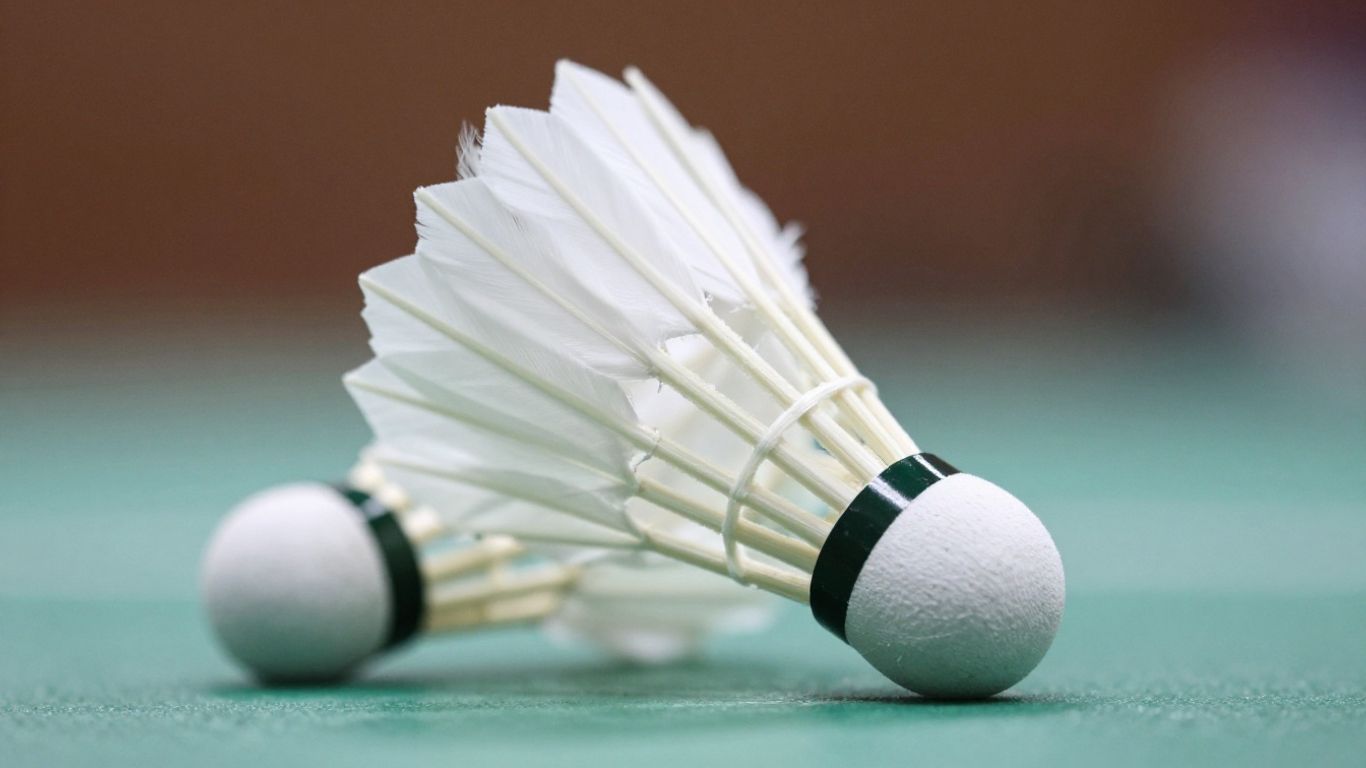
A shuttlecock is really at the heart of badminton—without it, the game just doesn’t work. The shuttlecock might look odd at first, almost like a tiny rocket with feathers, but it’s actually designed that way for a reason. It’s the thing you’re smacking back and forth, not a ball or puck, but a carefully crafted object engineered for speed and flight.
The Official Term: Shuttlecock
When you’re browsing through official badminton rulebooks or watching big tournaments, you’ll only hear one name: shuttlecock. This is the word used in all pro settings and among serious players. The name’s a throwback to how it’s made: the base (called a shuttle) is hit, and the semi-circular skirt (made of feathers or synthetic material) makes it look kind of like a little rocket or shuttle. For anyone looking to follow or play the sport seriously, remembering this term is key.
The Casual Moniker: Birdie
But go to your local gym or a backyard family game, and you’ll probably hear people call it a "birdie" rather than shuttlecock. Sounds friendlier, right? Most folks use "birdie" because those traditional goose or duck feathers stick out just like the tail of a bird. The term gives the game a relaxed, approachable vibe, which is perfect if you’re just having fun with friends.
Shuttlecock vs. Birdie: Clarifying the Debate
Despite the different names, both shuttlecock and birdie refer to the exact same thing. Here’s a quick look at how the terms are used:
| Term | Where You’ll Hear It | Who Uses It |
|---|---|---|
| Shuttlecock | Tournaments, Rulebooks | Officials, Pros |
| Birdie | Casual, Recreational Games | Beginners, Families |
- Both words mean the same physical object.
- "Shuttlecock" sounds more formal and is used in competitions.
- "Birdie" pops up in friendly matches, especially in the US.
No matter which term you prefer, both serve the same job in the game: flying across the net and keeping the rally alive.
At the end of the day, whether you call it a shuttlecock or a birdie, you’re talking about the piece of gear that gives badminton its character. It might be one of the only sports where even the name of the equipment changes depending on who you ask.
Anatomy Of A Shuttlecock
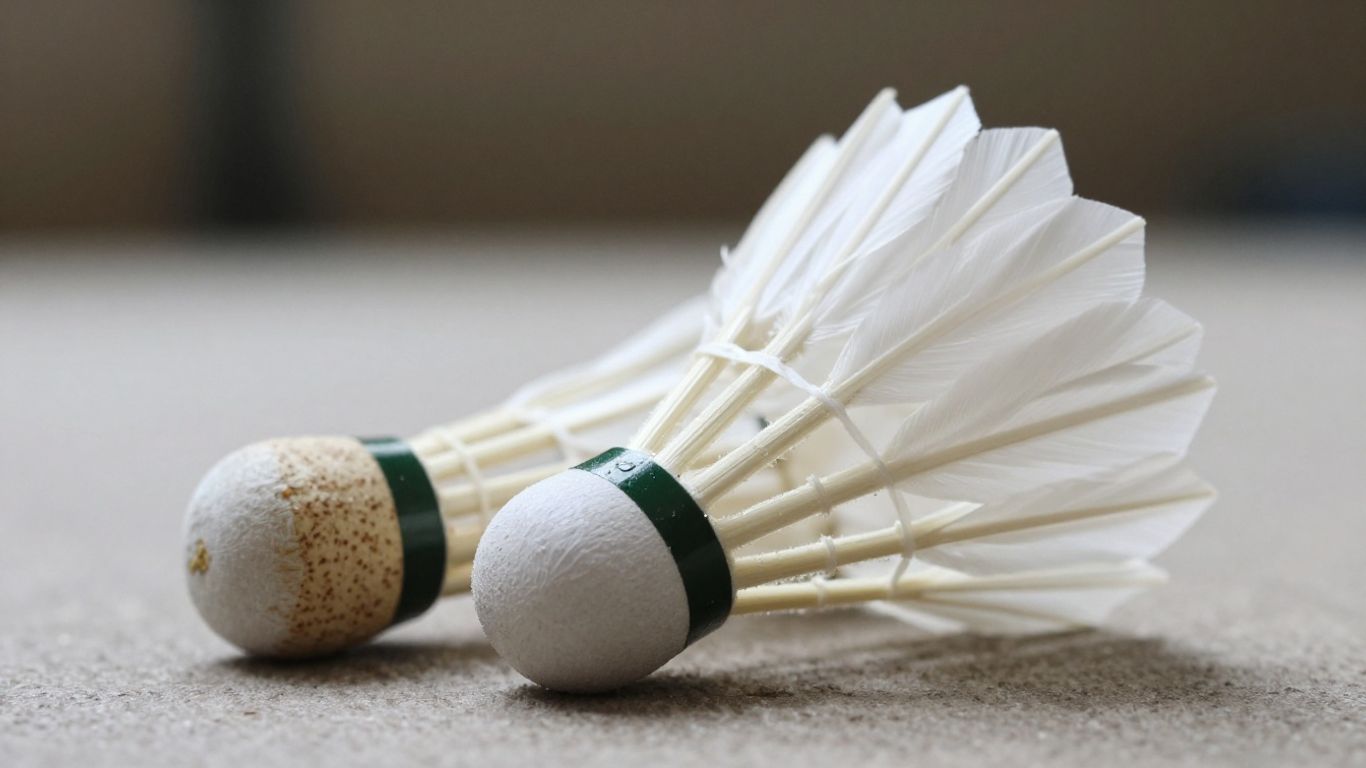
So, you’ve got this thing you hit back and forth over the net in badminton. It looks a bit like a shuttle, hence the name, but it’s also called a birdie. Whatever you call it, it’s got a pretty specific design that makes it fly the way it does. Let’s break down what makes this little projectile tick.
The Cork Base: Foundation Of Flight
At the bottom of every shuttlecock, you’ll find the base. This is usually made of cork, though sometimes synthetic materials are used. The cork is where your racket makes contact, and it’s designed to give the shuttlecock its initial weight and stability. Think of it as the anchor. The quality of the cork can really affect how the shuttlecock feels when you hit it and how it holds up over time. For serious players, the type of cork matters a lot for consistent play.
The Skirt: Feathered Or Synthetic
This is the part that looks like a skirt or a cone, and it’s what catches the air. Traditionally, these skirts are made from feathers, usually from geese. You’ll typically see 16 feathers arranged in a circle. These feathers are carefully selected and aligned to help the shuttlecock fly straight and slow down predictably. It’s pretty neat how they’re put together. Nowadays, you also find shuttlecocks with skirts made from nylon or other synthetic materials. These are generally more durable, which is great for practice or if you’re just playing casually, but they might not fly quite like the feathered ones.
Construction And Assembly
Putting a shuttlecock together is more precise than you might think. The feathers are attached to the cork base using glue, and they have to be placed just right. The way the feathers overlap and curve is what creates drag and helps the shuttlecock slow down after you hit it. It’s this specific design that gives badminton its unique pace. If the feathers aren’t uniform or the base isn’t balanced, the shuttlecock won’t fly true, and that can mess with your game. It’s a small piece of equipment, but a lot of thought goes into making sure it performs well.
The careful construction of a shuttlecock, from the density of the cork to the precise angle of each feather, is what gives it its distinctive flight pattern. This design is not accidental; it’s engineered to create a specific aerodynamic effect that is central to the sport of badminton.
Types Of Shuttlecocks
When you’re getting into badminton, you’ll quickly notice there isn’t just one kind of shuttlecock. They’re not all made the same, and that’s a good thing because different types work better for different situations and players. Basically, you’ve got three main categories to think about: feathered, synthetic, and then a mix of both called hybrid.
Feathered Shuttlecocks: The Professional Choice
These are the ones you see in all the big tournaments, like the Olympics. They’re made from real feathers, usually from geese or ducks – about 16 of them, all carefully arranged around a cork base. Feather shuttles offer the best flight path and feel. They just seem to move through the air in a way that synthetic ones can’t quite match. Pros love them because they give you more control and a really satisfying ‘thwack’ when you hit them. The downside? They’re more expensive and, well, feathers break. If you hit one a bit off, or if it lands hard, you can easily damage the skirt, and then it’s not going to fly right anymore. So, while they’re top-notch for performance, they don’t last as long, especially if you’re just starting out and not hitting the sweet spot every time.
Synthetic Shuttlecocks: Durability For All
If you’re playing casually, or just starting out, synthetic shuttlecocks are probably your best bet. These are usually made from nylon or plastic. They’re way more durable than feathered ones, meaning they can take a beating and keep flying. You can hit them hard, they can bounce around a bit, and they’ll likely be fine. Plus, they’re generally cheaper. The flight might not be exactly the same as a feather shuttle – some people say they feel a bit lighter or don’t have quite the same glide – but for most people just having fun on the court, the difference is pretty minor. They’re also less bothered by things like humidity or temperature changes, which is handy if you’re playing outdoors or in a less-than-perfect indoor space.
Hybrid Shuttlecocks: The Best Of Both Worlds
Hybrid shuttlecocks are a newer idea, trying to give you the good bits from both feather and synthetic types. They usually have a synthetic skirt, like the plastic ones, for durability, but they might have some real feathers mixed in, or a design that mimics feather flight. The goal here is to get a shuttle that flies more like a feather one – with good stability and feel – but lasts longer and is tougher, like a synthetic one. They’re often priced somewhere in the middle, more than a basic plastic shuttle but less than a top-tier feather one. They’re a good option if you want something that performs better than a standard synthetic but you’re not ready to commit to the fragility (and cost) of pure feather shuttles.
Here’s a quick rundown:
- Feathered: Best flight, best feel, used by pros, but fragile and expensive.
- Synthetic: Very durable, affordable, good for beginners and casual play, but flight might be slightly less precise.
- Hybrid: A mix, aiming for good flight with better durability, often a good middle-ground option.
Choosing the right shuttlecock really comes down to how you play and what you expect from the game. Don’t be afraid to try different types to see what feels best for you.
Factors Influencing Shuttlecock Performance
Making sense of shuttlecock performance isn’t as easy as picking the first one off the shelf. The way a shuttlecock plays can shift based on material, speed, weight, and even the room you’re in. Here’s what really sways that bird midair.
Material Matters: Feather vs. Synthetic
The shuttlecock’s material has a big impact on how it behaves during play. Feathered shuttlecocks, made mostly from goose or duck feathers, are prized for their sharp maneuverability and control. They’re commonly used in professional matches because they let skilled players show off precise shots. On the flip side, synthetic or nylon shuttlecocks are built to last. They don’t offer quite the same finesse, but they can take a pounding during long practice sessions or casual games.
Main differences at a glance:
| Material | Feel & Control | Durability | Best Use Case |
|---|---|---|---|
| Feathered | Superior, precise | Shorter lifespan | Competitive, advanced |
| Synthetic | Less nuanced, consistent | Long-lasting | Practice, casual, beginners |
Speed Ratings Explained
Speed is more than just how fast you swing. It’s rated right on the shuttlecock—typically as slow, medium, or fast. This affects how far and how quickly the shuttle travels.
Speed depends on:
- Room temperature (warmer rooms, faster shuttlecocks)
- Altitude (higher courts = faster flight)
- Humidity (damp air slows them down)
If you’re in a hot, high-altitude spot, a slower shuttlecock is usually the best pick. Indoors or in a chilly gym, you might want something faster. Here’s a quick rundown:
| Speed Rating | Typical Number | Environment | Suggested Use |
|---|---|---|---|
| Slow | 75, 76 | Hot, high-altitude | Fast conditions |
| Medium | 77, 78 | Standard indoors | Everyday play |
| Fast | 79 | Cold, low-altitude | Slower, chilly, or damp |
Weight And Size Specifications
Every shuttlecock has to meet set standards for fair play. The official specs help guarantee consistent flight and predictable bounce—important for any level of competition.
- Weight: Official shuttlecocks should weigh between 4.74g and 5.50g.
- Diameter: A standard feathered shuttle measures 62–70mm at the skirt.
- Cork Base: The diameter of the cork at the tip sits around 25–28mm.
These measurements keep matches balanced. Even a small change in weight or size can affect the shuttlecock’s speed and path—sometimes that’s the difference between a controlled net shot and a wild return.
A subtle difference in shuttlecock construction or choice can throw off your game more than you might expect. Knowing what affects performance, from feather count to the right speed rating, makes picking the right gear less of a guessing game.
For many, grip and control go hand in hand with shuttlecock choice — details you can read about in grip strength and control if you’re curious about further fine-tuning your play.
Shuttlecock Playability And Dynamics
The way a shuttlecock flies and behaves is pretty fascinating, and it really makes badminton the game it is. It’s not just about hitting it hard; it’s about understanding how this little thing moves through the air. The shuttlecock’s unique shape is designed to slow down really fast after you hit it. This quick deceleration is a big part of the game’s challenge and strategy.
Aerodynamics And Flight Stability
Think about it: that feathered or synthetic skirt isn’t just for looks. It’s engineered to create drag and stability. When you hit a shuttlecock, it zips forward, but then it quickly flips over so the skirt leads the way. This makes it slow down dramatically and drop. This stability means it flies pretty straight and true, which is good because you need to be able to predict where it’s going to go. A wobbly shuttlecock would make the game impossible to play seriously. The precise arrangement of feathers, or the design of a synthetic skirt, helps keep it on a predictable path, allowing players to set up their shots and react.
Deceleration And Player Agility
That rapid slowing down is what keeps players on their toes. You can’t just stand still; you have to be ready to move instantly because the shuttlecock goes from fast to slow in a blink. This demands a lot of quick footwork and agility. Players need to anticipate the shuttlecock’s trajectory and be in the right place at the right time. It’s this dynamic aspect that makes badminton so physically demanding and exciting. You’re constantly adjusting your position and your swing based on how the shuttlecock is behaving.
Environmental Influences On Flight
What’s wild is how much the weather can mess with a shuttlecock’s flight. Playing indoors is one thing, but take it outside, and things change. Temperature is a big one. If it’s really cold, shuttlecocks tend to fly slower and won’t travel as far. You might need a faster-rated shuttlecock in cooler conditions. On the flip side, if it’s hot, they can fly faster. Humidity plays a role too; damp air can make them heavier and slower. Even altitude matters – higher up, the air is thinner, and shuttlecocks can fly faster and further. So, what works perfectly in one place might be totally different somewhere else.
Here’s a quick look at how conditions might affect your shuttlecock choice:
- Cold/Air-Conditioned/Low Altitude: Shuttlecock flies slower. Consider a faster speed rating (e.g., 78 or 79).
- Hot/High Altitude: Shuttlecock flies faster. Consider a slower speed rating (e.g., 75 or 76).
- Normal Conditions: Standard speed ratings usually work well.
Understanding these dynamics isn’t just trivia; it directly impacts how you play. Knowing how your shuttlecock will behave in different situations helps you choose the right one and adjust your game accordingly. It’s all about working with, not against, the physics of the game.
Choosing The Right Shuttlecock
Finding the right shuttlecock can change how much you enjoy badminton. A lot of factors matter here. Whether you’re just picking up a racket or you play in a league, what you pick will affect your experience. Let’s break down what you should think about.
Consider Your Skill Level
Your experience really shapes your choice. Beginners and kids do better with synthetic shuttlecocks—they’re tougher and don’t need careful handling. Serious or competitive players usually reach for feathered ones, since they give a sharper, more accurate flight.
- Beginners: Nylon or plastic shuttlecocks last longer and cost less.
- Intermediate:** Try hybrids or decent synthetic options for practice.
- Advanced:** Feathered shuttlecocks give you a more precise feel, especially in matches.
Sometimes a cheaper synthetic birdie is all you need for backyard games, but that same shuttlecock will feel unpredictable and slow for players used to feathered ones. Pick based on how and where you play, not just price.
Matching Shuttlecock To Playing Style
Do you play fast-paced games, rallies, or more careful drop shots? That affects your best pick. Shuttlecock types react differently depending on your swings and pace.
- Fast attack players: Feathered shuttlecocks for speed and accuracy.
- Tactical or casual**: Synthetics, because they handle wild hits and awkward angles better.
- Mixed play (doubles, training)**: Hybrids balance both, good for practicing a lot.
A quick look at some differences:
| Playing Style | Shuttlecock Type | Best Feature |
|---|---|---|
| Attacking/Fast | Feathered | Crisp response |
| All-around/Casual | Synthetic | Durability |
| Training/Doubles | Hybrid | Versatile |
Budget And Durability Considerations
Money matters, and so does how often you play. Nobody wants to burn through a pack of feathered shuttles in a two-hour backyard session. Here’s a simple checklist:
- Feathered shuttlecocks cost more per piece, but give top flight in serious play.
- Synthetic shuttlecocks might feel different, but you’ll spend less and replace them way less often.
- Hybrid shuttlecocks split the difference; they’re pricier than synthetics but not as delicate as pure feathers.
Keep this quick comparison in mind:
| Shuttlecock Type | Average Price per Dozen | Average Use Lifespan (Rough) |
|---|---|---|
| Feathered | $20 – $40 | 2–6 matches |
| Synthetic | $10 – $20 | 10–25 matches |
| Hybrid | $15 – $30 | 6–15 matches |
Always match your shuttlecock to how you play, who’s playing, and your budget. You’ll notice the difference right away once you start using the type that fits your games best. It’s a small detail that can make badminton a lot more consistent and fun.
Wrapping It Up
So, there you have it. We’ve talked about what a shuttlecock is, the difference between that and a ‘birdie’ (spoiler: they’re pretty much the same thing in casual talk), and what goes into making one. Whether you’re hitting the court for a serious match or just having some fun with friends, knowing a bit about your shuttlecock can actually make the game better. Picking the right kind, whether it’s a fancy feather one for tournaments or a tough plastic one for practice, really does make a difference. It’s not just a piece of equipment; it’s what makes badminton, well, badminton. So next time you’re out there, give your shuttlecock a little nod of appreciation. It’s doing a lot of work!
Frequently Asked Questions
What’s the difference between a shuttlecock and a birdie?
People often use “shuttlecock” and “birdie” to talk about the same thing in badminton. “Shuttlecock” is the official name used in tournaments and rulebooks. “Birdie” is a more casual nickname that probably came about because the feathered ones look a bit like a bird. Both terms refer to the same piece of equipment used in the game.
What are shuttlecocks made of?
Shuttlecocks usually have a base made of cork or sometimes synthetic foam. The part that sticks out, which helps it fly, is made from either real feathers (usually from ducks or geese) or from plastic and nylon. The feathers or plastic are attached to the cork base.
Why are there different types of shuttlecocks?
There are different types mainly because of what they’re made of: feather, synthetic (plastic/nylon), or a mix called hybrid. Feather ones are used in pro games because they fly the best, but they’re more expensive and don’t last as long. Plastic ones are tougher, cheaper, and great for practicing or playing casually.
How do I know which shuttlecock speed to get?
Shuttlecocks come with speed ratings, usually numbers like 72, 75, or 78. These numbers help you pick one that flies at the right speed for where you’re playing. The best speed depends on things like the temperature and how high up you are (altitude). For example, in cooler places, you might need a faster shuttlecock.
How long will a shuttlecock last?
It really depends on what it’s made of and how much you play. Feather shuttlecocks are more delicate and might last around 10-15 hours of play before needing replacement. Synthetic shuttlecocks are tougher and can last much longer, maybe 20-25 hours or even more, making them a good choice for lots of practice.
What’s the best shuttlecock for someone just starting out?
If you’re new to badminton, it’s usually best to start with synthetic or plastic shuttlecocks. They are more affordable, which is great when you’re learning and might not hit the shuttlecock perfectly every time. They’re also more durable, meaning they won’t break as easily, and their speed is often a bit slower, making them easier to control.