
So, you’re curious about badminton, huh? It’s a fun sport, but sometimes the rules about how many games you play and how you get points can be a little fuzzy. Don’t worry, I’ve been there too. It’s not super complicated once you break it down. Let’s clear up how many sets in badminton are actually played and how the scoring works, so you can follow along or even join in without feeling lost. It’s pretty straightforward, really.
Key Takeaways
- A badminton match is usually played as the best of three games. This means the first player or team to win two games wins the match.
- Each game is played to 21 points. You need to reach 21 points to win a game, but there’s a catch: you must win by at least two points.
- If the score gets tied at 20-20, play continues until one side has a two-point lead. For example, 22-20 or 23-21 would win the game.
- There’s a limit, though. If the score reaches 29-29, the side that scores the 30th point wins the game. So, the highest possible score is 30-29.
- Points are scored using rally scoring, meaning a point is awarded after every single rally, no matter who served. Win the rally, get a point.
Understanding Badminton Match Structure
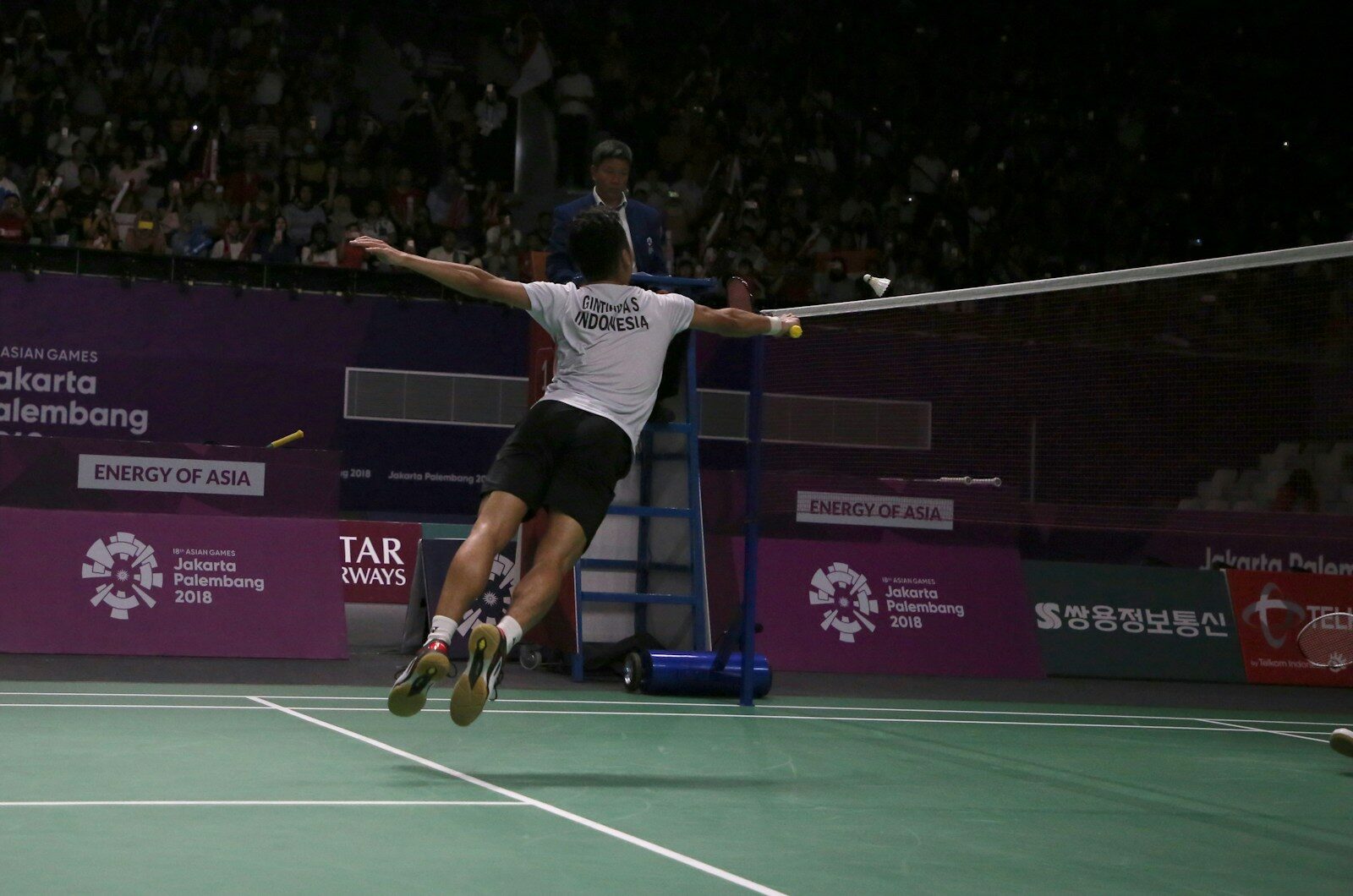
A badminton match isn’t just about hitting a shuttlecock back and forth; there’s a definite structure to how it all plays out. It’s designed to be exciting and fair, and once you get the hang of it, it makes watching or playing a lot more engaging.
The Best of Three Games Format
Most badminton matches you’ll see are played as a “best of three” games. This means the first player or team to win two games wins the entire match. It’s pretty straightforward – if one side wins the first two games, the third game isn’t even played. This format allows for comebacks and adds a layer of strategy, as players might adjust their approach after losing the first game.
Winning a Game: Reaching 21 Points
To win an individual game, a player or team needs to be the first to reach 21 points. However, it’s not quite as simple as just getting to 21. You have to win by at least two points. So, if the score is 20-20, play continues until one side gets a two-point lead, like 22-20 or 23-21. This rule keeps games from dragging on too long but also adds a bit of tension when scores get close.
The Two-Point Lead Rule
This is where things can get really interesting. What happens if the score keeps getting closer and closer? Well, there’s a cap. If the score reaches 29-29, the very next point decides the game. So, a score of 30-29 is the highest possible score to win a game. This prevents games from going on indefinitely and adds a dramatic finish when players are neck-and-neck.
The rally scoring system means that a point is awarded on every single rally, no matter who served. This keeps the game fast and every exchange meaningful.
How Points Are Scored in Badminton
Scoring in badminton is pretty straightforward once you get the hang of it. The main goal is simple: hit the shuttlecock over the net and into your opponent’s court so they can’t hit it back legally. Every time you win a rally, you get a point. This applies whether you’re serving or receiving.
The Rally Scoring System Explained
Badminton uses what’s called a rally scoring system. This means a point is awarded after every single rally, no matter who served the shuttlecock. It doesn’t matter if the server wins the point or the receiver does; someone is getting a point. This system keeps the game moving fast and makes every exchange count. It’s a big change from older systems where only the server could score.
Winning a Rally Awards a Point
So, how do you actually win a rally? It’s usually when the shuttlecock hits the floor within the boundaries of the court, or when your opponent hits it out of bounds or fails to return it over the net. When you win the rally, you score a point. If you weren’t the one serving, you also gain the serve for the next rally. It’s a constant back-and-forth where winning the point often means you get to serve next.
Faults That Result in Lost Points
Of course, you can also lose points by committing a fault. These are rule violations that immediately give the point to your opponent. Some common faults include:
- The shuttlecock landing outside the court lines.
- Failing to hit the shuttlecock over the net.
- The shuttlecock hitting the ceiling or any part of the building.
- Touching the net with your racquet, body, or clothing while the shuttlecock is in play.
- Hitting the shuttlecock twice in succession by the same player or partner.
Understanding these faults is just as important as knowing how to score. A moment’s inattention can easily cost you a point, especially at higher levels of play where the game is incredibly fast. It’s all part of the challenge and strategy of badminton.
For a quick reference on how points are awarded, check out the basic objective of badminton.
Navigating Service and Scoring
Serving from the Correct Court
Figuring out where to stand when you serve can feel a bit tricky at first, especially when you’re just starting out. But once you get the hang of it, it becomes second nature. The main thing to remember is that you serve from a specific side of the court based on your score. It’s not random; there’s a system to it.
Even Score, Right Court; Odd Score, Left Court
This is the golden rule for serving. If your score is an even number (0, 2, 4, etc.), you serve from the right-hand service court. If your score is odd (1, 3, 5, etc.), you serve from the left-hand service court. This applies whether you’re playing singles or doubles. The shuttlecock always needs to travel diagonally across the net into the opponent’s service court. It’s a simple rule, but it’s the foundation of correct serving procedure.
Server’s Score Dictates Receiver’s Position
When you win a rally and gain the serve, you need to know where to stand. But it’s not just about you; the receiver also needs to be in the right spot. The server’s score is what determines which service court they use. And here’s a neat consequence: the receiver’s position is also determined by the server’s score. If the server is in the right court (even score), the receiver must be in their right court. If the server is in the left court (odd score), the receiver must be in their left court. This ensures that the rally always starts with players in their correct positions relative to the score.
Here’s a quick rundown:
- Server’s Score is Even: Server stands in the Right Service Court. Receiver stands in their Right Service Court.
- Server’s Score is Odd: Server stands in the Left Service Court. Receiver stands in their Left Service Court.
What happens if the receiving side wins the rally? Well, they get the serve, and the point is added to their score. Now, they become the server, and they’ll use the same even/odd rule based on their new score to determine their service court. The players themselves don’t change their physical court positions just because they won the point; they only change service courts when they win a rally while they are serving.
It’s easy to get mixed up, especially in the heat of a match. If you’re ever unsure about where to serve from, just quickly check your score. Is it even? Right side. Is it odd? Left side. This simple check will keep you on track most of the time. Remember, the receiver’s position is always opposite the server’s, relative to the center line of the court.
Key Differences in Doubles Play
Doubles badminton is a whole different ballgame compared to singles, and the scoring and serving rules have their own quirks. It’s not just about having a partner; it’s about how you work together on the court, especially when it comes to who serves and where you stand.
Team Serves and Point Allocation
In doubles, the serving responsibility is a bit more structured. Unlike singles where you might get multiple serves if you keep winning, in doubles, your team gets one serve per turn. This means if the serving team wins a rally, the same player serves again, but they have to switch service courts. If the serving team loses the rally, the serve goes over to the other team. Every rally matters because it can result in a point for either side.
Service Court Rotation for Partners
This is where it can get a little confusing if you’re new to it. Each player on a team is assigned a service court, and these assignments change based on the score. When your team’s score is even (0, 2, 4, etc.), the player whose turn it is to serve stands in the right service court. If your team’s score is odd (1, 3, 5, etc.), that player serves from the left service court. The receiver always stands in the service box diagonally opposite the server. Remember, the receiver’s position is based on the server’s score, not their own.
When the serving side wins a rally, the server and their partner actually swap their designated service courts for the next serve. This keeps things dynamic and requires constant awareness from both players. It’s a bit like a dance, and getting it wrong can lead to lost points or even umpire warnings in official matches.
Communication for Seamless Play
Honestly, the biggest difference in doubles is the need for constant, clear communication. You and your partner need to be on the same page about who’s covering what, who’s taking the shot, and who’s serving. Misunderstandings can happen easily, especially when you’re both moving around the court. It’s a good idea to chat with your partner before the game starts about your preferred starting positions and how you’ll handle serves. Calling out the score before each rally is also a smart move. This kind of teamwork is what makes doubles so exciting and challenging. You’ll want to make sure you’re communicating well, especially when the game gets close, like when you’re trying to win by two points [e303].
In doubles, the service courts are determined at the start of a rally and don’t change during the rally itself. Even if you move all over the court during play, you need to remember your designated service court for the next serve. This is why paying attention to the score and who served last is so important.
Changing Ends for Fair Play
Ever notice how players switch sides on the badminton court? It’s not just for a quick breather; it’s a key part of keeping the game fair. Think about it: different parts of the court might have slightly different conditions. Maybe the lighting is a bit brighter on one side, or there’s a slight draft from an open door. These little things can actually make a difference, especially when matches get really close. Switching ends helps make sure neither player or team gets an unfair advantage from court conditions.
Swapping Sides After Each Game
This is pretty straightforward. Once a game is finished, both players or teams pack up their gear and move to the other side of the net. This happens before the next game begins. It’s a simple rule, but it really helps balance things out over the course of a match. It means that any subtle environmental quirks of one side of the court are experienced by both sides at some point.
Mid-Game Switch in the Deciding Third Game
Now, if the match goes to a third and final game – the one that decides everything – there’s an extra switch. When one of the players or teams hits 11 points, everyone swaps sides again. This is especially important in that tense, deciding game. It ensures that even in the most critical moments, the conditions are as even as possible for both competitors. It’s a way to keep the focus purely on skill and strategy, not on who got lucky with a better spot on the court.
Ensuring Equitable Court Conditions
Ultimately, changing ends is all about fairness. It’s a way to acknowledge that no two spots on a court are exactly alike. Whether it’s a casual game at the park or a high-stakes tournament, this rule helps level the playing field. It means that the outcome of the match is determined by how well you play the game, not by whether you happened to be standing on the ‘luckier’ side of the court. It’s a small detail that contributes to the integrity of the sport, making sure everyone has a fair shot at winning. For more on how the game is structured, you can check out the best of three games format.
The simple act of switching sides might seem minor, but it’s a thoughtful rule designed to maintain balance. It ensures that the game remains a true test of skill and endurance, minimizing the impact of external environmental factors on the final score.
Keeping Track of the Game
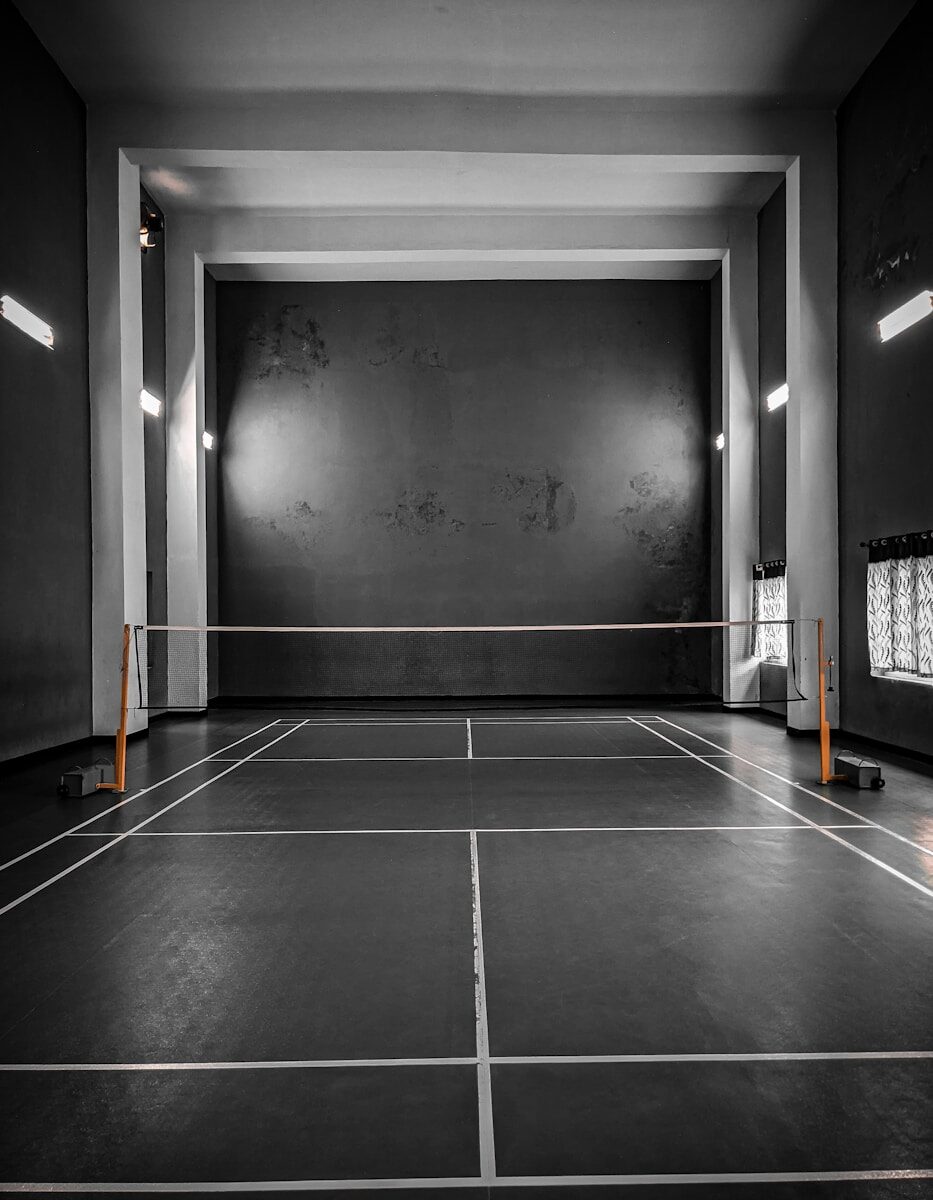
Keeping score in badminton might seem simple at first glance, but there are a few things to remember to make sure everything runs smoothly, whether you’re playing a casual game in the park or a more serious match.
Utilizing Scoreboards and Apps
For any kind of organized play, having a clear way to see the score is a big help. You can use a simple clipboard with a pen to keep track, or if you’re feeling a bit more modern, there are tons of free and paid apps for your phone or tablet. These apps can be really handy because they often do more than just show the score; some even have timers or can record your match stats, which is great for practice. If you’re just playing with friends, maybe pick one person to be the official scorekeeper so everyone else can focus on hitting the shuttlecock.
Verbal Score Announcements
It’s a good habit to announce the score before each rally starts. This helps prevent any confusion or arguments later on. Always say the server’s score first. So, if you’re serving and the score is 10 points for you and 15 for your opponent, you’d say “10-15”. This little step makes a big difference in keeping the game fair and moving along without hiccups.
Observing Professional Gameplay
Want to get really good at keeping track? Watch some professional badminton matches. You’ll see how quickly the players know where they should be serving from based on the score. They also communicate well, especially in doubles, and you can learn a lot just by observing their positioning and how they react to calls. It’s a great way to pick up on the flow and the little details that make a difference.
Keeping track of the score isn’t just for the umpire; it’s part of being a good player. Knowing the score and where to serve from helps you play smarter and avoids those awkward pauses where everyone’s trying to figure things out. It’s all about making the game more enjoyable for everyone involved.
Wrapping It Up
So there you have it. Badminton scoring might seem a little tricky at first, especially with the whole best-of-three games and needing a two-point lead thing. But honestly, once you play a few rallies and see it in action, it clicks. Remember, every rally counts for a point, and you need 21 to win a game, but you gotta win by two. If it gets super close, like 29-29, then it’s first to 30. It’s a fast game, and knowing the score helps you stay in the zone. Now you can watch a match and actually know what’s going on, or even jump into a game yourself without feeling totally lost. Have fun out there!
Frequently Asked Questions
How many games do you need to win to win a badminton match?
A badminton match is usually played as a ‘best of three’ games. This means the first player or team to win two games wins the entire match. So, a match can end in two games if one side wins both, or it can go to three games if each side wins one game.
What is the target score to win a game in badminton?
To win a game, you need to reach 21 points. However, there’s a catch: you must win by at least two points. If the score gets to 20-20, play continues until one side has a two-point lead, like 22-20 or 23-21. The game can also end if one player reaches 30 points, even if the score is only 30-29.
How are points scored in badminton?
Badminton uses a system called ‘rally scoring.’ This means a point is scored on every single rally, no matter who served the shuttlecock. If you win the rally, you get a point. If you didn’t have the serve, you also get to serve for the next point.
What happens if the shuttlecock lands outside the lines or hits the net?
If the shuttlecock lands outside the boundary lines of the court, or if it doesn’t make it over the net, or if it hits the net and doesn’t go over, it’s called a ‘fault.’ The player or team that makes the fault loses the rally, and their opponent scores a point.
How do you know which side of the court to serve from?
It depends on your score. If your score is an even number (like 0, 2, 4, etc.), you serve from the right side of the court. If your score is an odd number (like 1, 3, 5, etc.), you serve from the left side. This rule applies to both singles and doubles.
When do players switch sides of the court?
Players switch sides after each game is finished. If a match goes to a third and deciding game, players will switch sides again when one of them reaches 11 points. This helps make sure the playing conditions are fair for everyone.