
So, you want to know what is badminton rules, huh? It’s a pretty popular sport, and honestly, it’s not super complicated once you get the hang of it. Whether you’re playing with friends in the park or thinking about joining a league, knowing the basics makes everything way more fun and fair. We’re going to break down the main things you need to know, like how the court is set up, how to score, and what you can and can’t do when you’re serving or just hitting the shuttlecock back and forth. It’s all about keeping the game moving and making sure everyone’s on the same page. Let’s get into it.
Key Takeaways
- Badminton courts have specific dimensions for singles and doubles play, with a net set at a standard height.
- Games are typically played to 21 points, requiring a two-point lead to win, with tie-breaker rules for close scores.
- Serving must be done underhand, from the correct service court based on the server’s score, and diagonally to the receiver.
- Faults result in losing a point, and common ones include hitting the shuttle out of bounds, into the net, or touching it twice.
- Doubles play has special rules for service rotation and alternating hits, while equipment like rackets and shuttlecocks have specific guidelines.
Understanding Badminton Court Dimensions
Alright, let’s talk about the actual playing area in badminton. It’s not just a random rectangle; the court has specific measurements that change depending on whether you’re playing singles or doubles. Knowing these dimensions is pretty important for understanding where to stand and where the shuttlecock needs to land.
Singles Court Specifications
For a singles match, it’s just you against one opponent. The court gets a bit narrower for these games. The total length stays the same at 44 feet, but the width is reduced to 17 feet. The lines marking the boundaries are usually white or yellow and are 40mm wide. Remember, all the lines are part of the area they define, so hitting the line is considered in.
Doubles Court Specifications
When you’re playing doubles, with two players on each side, the court opens up a bit. It’s still 44 feet long, but the width increases to 20 feet. This wider area gives players more space to cover. It’s interesting how just a few feet of width can change the whole dynamic of the game, right?
Net Height and Placement
Now, about the net. It’s the barrier you’re trying to hit the shuttlecock over. The net is 5 feet 1 inch high at the posts, which are placed on the doubles sidelines. However, the center of the net actually dips a little lower, measuring 5 feet exactly. This slight dip is standard and affects how the shuttlecock travels over it. The net itself is usually made of dark, fine cord with a mesh size between 15mm and 20mm, and it’s edged with a 75mm white tape.
The court lines are part of the area they mark. So, if the shuttlecock lands on the line, it’s considered ‘in’. This is a common point of confusion for new players, so keep it in mind!
Here’s a quick look at the key measurements:
| Feature | Singles Width | Doubles Width | Length | Net Height (Center) | Net Height (Posts) |
|---|---|---|---|---|---|
| Dimensions | 17 feet | 20 feet | 44 feet | 5 feet | 5 feet 1 inch |
So, whether you’re playing one-on-one or with a partner, the court setup is pretty specific. It’s all about making sure the game is played fairly and consistently.
Mastering Badminton Scoring Rules
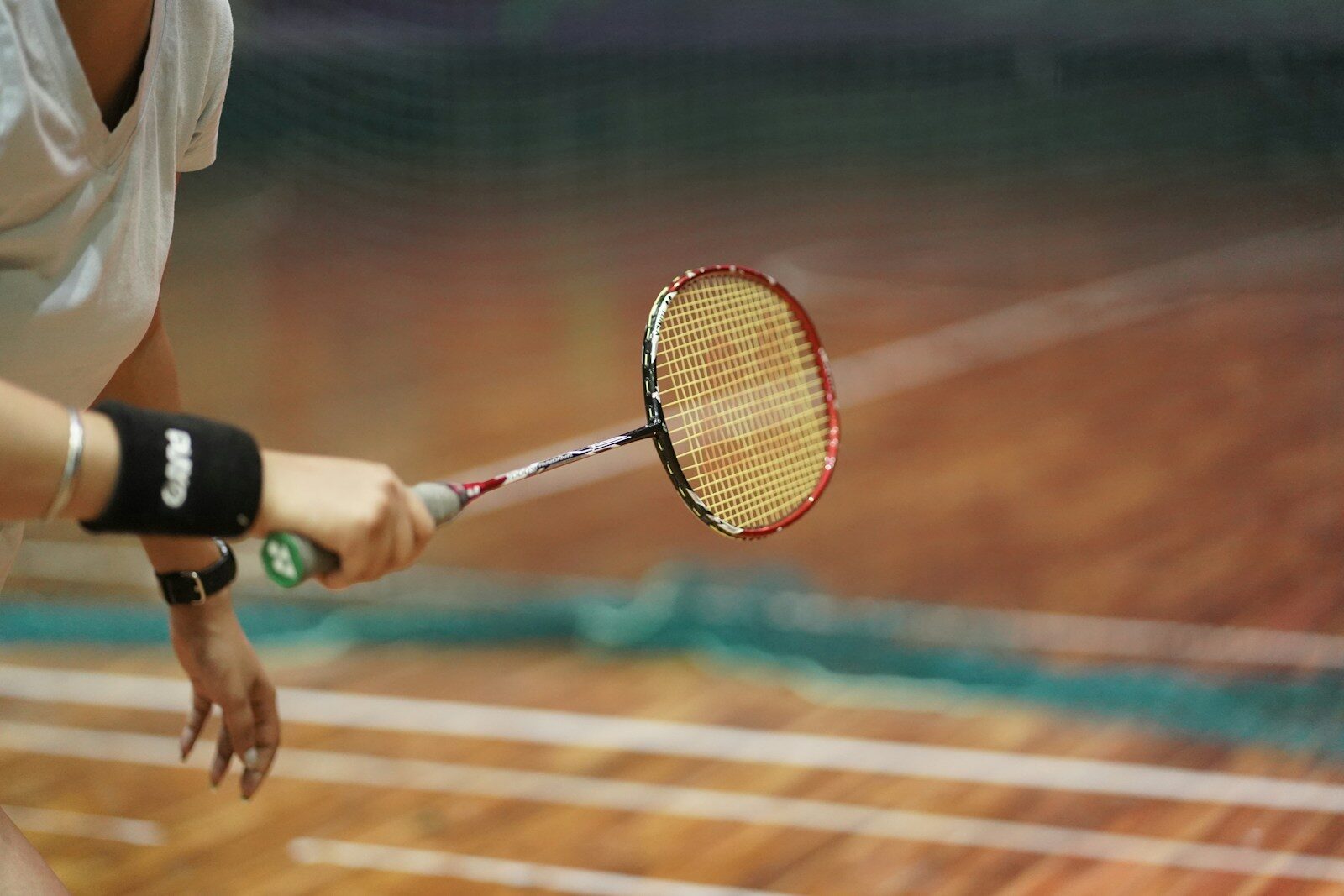
Alright, let’s talk about how you actually win a game of badminton. It’s not just about hitting the birdie back and forth until someone gets tired. There’s a system, and once you get it, the game makes a lot more sense.
Winning a Game: The 21-Point Rule
The main goal in badminton is to be the first side to reach 21 points. But here’s the catch: you have to win by at least two points. So, if the score is 20-20, you can’t just stop there. You need to pull ahead by two. This can lead to some pretty intense back-and-forth.
Extended Play: Tie-Breaker Scenarios
What happens if you’re both really good and keep trading points? Well, if the score hits 20-20, the game continues until one side gets a two-point lead. For example, 22-20, 23-21, and so on. However, there’s a limit to this madness. If the score keeps climbing and reaches 29-29, the very next point decides it. The side that scores the 30th point wins the game. So, 30-29 is the absolute maximum score a game can reach.
Match Victory Conditions
A standard badminton match is played as a ‘best of three’ games. This means the first player or team to win two games wins the entire match. If you win the first two games, you don’t even need to play the third one. It’s all about consistency and winning those crucial games to take the match.
Here’s a quick rundown:
- Rally Scoring: A point is scored on every rally, no matter who served.
- Winning a Game: Reach 21 points with at least a two-point lead.
- Tie-breaker: If tied at 20-20, play until a two-point lead is achieved.
- Maximum Score: If tied at 29-29, the next point (30) wins the game.
- Winning a Match: Be the first to win two games out of a possible three.
Understanding these scoring rules is key. It dictates strategy, especially when you’re close to winning or facing a tie. Knowing when to play aggressively and when to play safe can make all the difference.
Navigating Badminton Serving Regulations
Alright, let’s talk about serving in badminton. This is where a lot of games get won or lost right from the get-go, so it’s super important to get it right. Mess up the serve, and you could be handing over a point to your opponent before the rally even really starts.
Server and Receiver Positioning
First off, where you stand matters. When you’re serving, you’ve got to be in the correct service court. If your score is an even number (like 0, 2, 4, etc.), you serve from the right side. If your score is odd (1, 3, 5, and so on), you serve from the left. Your opponent, the receiver, has to stand in the diagonally opposite service court. They can’t move until you’ve actually hit the shuttlecock. It’s a bit like a chess match, setting up your pieces before the move.
The Underhand Serve Requirement
This is a big one. In badminton, the serve must be an underhand stroke. What does that mean? Well, the racket head has to be below your hand when you make contact with the shuttlecock. Also, the entire shuttlecock has to be below your waist when you hit it. No fancy overhand smashes to start the point here! It’s all about a clean, controlled hit from below.
Common Service Faults to Avoid
There are a few ways you can mess up a serve, and trust me, people do it all the time. Here are the main ones to watch out for:
- Feet Moving: Both of your feet need to stay planted on the ground from the moment you start your service motion until you hit the shuttle. Lifting a foot or shuffling around before contact is a fault.
- Racket Head Position: As mentioned, the racket head must be below your hand. If it goes above your hand during the swing, that’s a fault.
- Shuttlecock Height: Hitting the shuttlecock above your waist is a no-go.
- Wrong Court: Serving into the wrong service court (not diagonally opposite) or serving outside the sidelines is also a fault.
- Delaying the Serve: You can’t just stand there forever with the shuttle. Once you start your motion, you’ve got to hit it.
Remember, a fault means you lose the rally, and your opponent gets a point. If it’s a service fault, they also get the serve. So, practicing your serve and knowing these rules can really make a difference in your game.
Identifying Faults and Lets in Badminton
Okay, so you’re playing, and suddenly the umpire calls “fault” or “let.” What does that even mean? Don’t worry, it happens to everyone, and understanding these calls is pretty key to playing a fair game. Basically, a fault means someone messed up according to the rules, and the other side gets a point. A let, on the other hand, means play stops, and you just replay that point. No harm, no foul, just a do-over.
Common Faults During Play
Faults are the most common way a rally ends prematurely. They happen when a player breaks a rule, and poof, the point goes to the opponent. There are quite a few ways to commit a fault, so paying attention is important. Some of the most frequent ones include:
- Shuttlecock lands out of bounds: If the shuttle lands outside the court lines, it’s a fault. This includes landing outside the sidelines or the back boundary line.
- Shuttlecock hits the net and doesn’t go over: If you hit the shuttle and it gets stuck on the net or falls back on your side, that’s a fault.
- Shuttlecock touches a player or their clothing: The shuttle is only supposed to be hit by your racket. If it touches you or your outfit, the rally is over.
- Hitting the shuttle twice: You only get one swing at the shuttle per turn. If you or your partner hit it twice in succession, it’s a fault.
- Shuttlecock hits the ceiling: Yep, the ceiling is out of bounds. If the shuttle makes contact with it, it’s a fault.
- Touching the net: If your racket, body, or clothing touches the net while the shuttle is still in play, it’s a fault.
When a Let is Called
A let is basically a pause button for the game. It’s called when something unexpected happens that disrupts the rally, but it’s not really anyone’s fault. The point is replayed, and the score stays the same. Common reasons for a let include:
- Receiver not ready: If the server serves before the receiver is properly ready to play, the umpire might call a let. It’s important for both players to be set before the serve.
- Shuttlecock gets stuck on the net: Sometimes, a shuttle might hit the net and get lodged on top, or fall back into the server’s court after hitting the net during a serve. This usually results in a let.
- Outside interference: If something external, like a loud noise or an object falling onto the court, distracts the players, a let might be called.
- A broken shuttlecock: If the shuttlecock breaks mid-rally, play stops, and it’s a let.
It’s important to remember that if the shuttle hits the net during a rally (not a serve) and goes over into the opponent’s court, play continues. That’s not a let; it’s just part of the game! The only time a shuttle hitting the net during a serve results in a let is if it lands in the correct service box. Otherwise, it’s a fault.
Consequences of Committing a Fault
When you commit a fault, the immediate consequence is losing the rally. This means your opponent scores a point. If you were the serving side, you also lose the serve, and it passes to your opponent. In doubles, this means the serve might go to the other team entirely, depending on who was serving and receiving. It’s why avoiding faults is so important for maintaining momentum and scoring opportunities. Being aware of these rules helps keep the game fair and enjoyable for everyone involved, so you can focus on your badminton strategy rather than accidental rule breaks.
Specific Rules for Doubles Play
Doubles badminton is a whole different ballgame compared to singles, and it’s not just about having an extra person on your side. The court dimensions change for service, and the way you play points has its own rhythm. Let’s break down what makes doubles unique.
Doubles Service Court Area
When you’re serving in doubles, the court gets a bit smaller, but only for the serve itself. The full width of the court is in play during a rally, but for the serve, you’ve got specific boundaries. The shuttlecock must land within the receiver’s service court, which is the area between the net and the doubles long service line, and between the sidelines. Crucially, if the serve lands beyond the doubles long service line, it’s a fault. Also, remember that the server and receiver must stand within their respective diagonally opposite service courts and cannot touch the boundary lines of those courts.
Service Rotation in Doubles
This is where it gets interesting and requires some teamwork. In doubles, the service rotates between the partners. When your side starts serving, one player serves from the right service court (if your score is even or zero) and the other from the left (if your score is odd). The key is that the server stays in the same service court as long as their side is serving. However, when the serve changes hands to the other team, the player who was the receiver in the previous rally becomes the server. The rotation continues so that partners alternate serving from the correct side based on the score.
- Starting the serve: If your side has an even score (or zero), you serve from the right. If your score is odd, you serve from the left.
- Winning a point while serving: If your side wins the rally while serving, you score a point, and the same server serves again, but from the alternate service court.
- Losing the serve: If your side loses the rally, the serve goes to the other team, and the player who was the receiver becomes the new server.
Alternating Receivers and Hitters
Once the serve is returned, the game opens up. In a doubles rally, either player on the serving side can hit the shuttlecock, and either player on the receiving side can hit it back. This means you and your partner need to communicate and decide who will take which shot to avoid collisions or hitting the shuttle twice. It’s not a strict rule that you must alternate hits between partners during a rally, but it’s often the most effective strategy to cover the court and keep the shuttle moving.
A common mistake in doubles is for both players to go for the same shot, or for one player to hang back too much. Good doubles play involves covering your side of the court effectively and communicating with your partner about who is responsible for which shots, especially around the net and in the mid-court area. It’s about teamwork and covering space efficiently.
Here’s a quick look at the service court differences:
| Court Area | Singles Service | Doubles Service |
|---|---|---|
| Width | Sidelines | Doubles Sidelines |
| Length | Second Baseline | First Baseline |
Remember, these service area rules only apply during the serve. Once the shuttle is in play, the entire court is open for both singles and doubles.
Essential Badminton Equipment Guidelines

Alright, so you’re ready to get on the court and play some badminton. That’s awesome! But before you start smashing shuttlecocks, let’s talk about the gear. Having the right equipment isn’t just about looking the part; it actually makes a big difference in how you play and, honestly, how much fun you have.
Racket Specifications and Compliance
The racket is pretty much your main tool in badminton. You can’t just grab any old thing, though. Badminton rackets have specific requirements to keep things fair. They’re generally made of lightweight materials like carbon fiber or aluminum. The size and string tension are also important factors. A properly chosen racket can really help with your power and control. You’ll want to make sure your racket meets the standards set by the Badminton World Federation (BWF) if you’re playing in any official matches. For casual play, though, just make sure it feels good in your hand and isn’t too heavy. You can find a good starting point for badminton rackets that fit most needs.
Shuttlecock and Court Surface Considerations
Next up, the shuttlecock, or birdie as some call it. These aren’t all the same either. You’ve got feather shuttlecocks, which are used in professional play because they fly truer and faster, and then you have synthetic ones, which are more durable and cheaper – great for beginners and practice. The type of shuttlecock you use can affect the pace of the game. Also, think about the court surface. Most indoor courts are made of wood or a synthetic material. These surfaces are designed to be non-slippery and provide good shock absorption. Playing on grass or concrete? Not ideal, and definitely not recommended for serious play.
Appropriate Player Attire
What you wear matters too! Comfort and freedom of movement are key. You want clothes that let you run, jump, and reach without feeling restricted. Think breathable fabrics that wick away sweat. Most players wear shorts or skirts with a t-shirt or polo. And don’t forget your shoes! You need athletic shoes with good grip to prevent slips. Non-marking soles are a must for indoor courts to avoid leaving scuff marks.
Here’s a quick rundown of what to aim for:
- Tops: Lightweight, breathable t-shirts or polo shirts.
- Bottoms: Shorts or skirts that allow for a full range of motion.
- Footwear: Athletic shoes with good traction and non-marking soles.
- Socks: Comfortable athletic socks.
Proper attire helps prevent injuries and ensures you can focus on your game, not on feeling uncomfortable or restricted. It’s all about being ready to move quickly and react.
So, before you head out for your next game, double-check that your gear is up to par. It really does make a difference!
Wrapping It Up
So, that’s the lowdown on badminton rules. It might seem like a lot at first, with all the scoring and serving details, but honestly, once you get out there and play a bit, it starts to make sense. Knowing these basics means you can actually enjoy the game without any confusion. It’s not about being a pro overnight, just about having fun and playing fair. Grab a friend, find a court, and give it a shot. You might surprise yourself with how quickly you pick it up and how much you enjoy the rally.
Frequently Asked Questions
What are the main differences between singles and doubles courts in badminton?
The main difference is the width. For singles matches, the court is narrower, focusing on one-on-one play. Doubles courts are wider to accommodate two players on each side, making the sidelines part of the playing area for rallies but not for serves.
How do you win a game of badminton?
To win a game, you need to be the first player or team to reach 21 points. However, you must win by at least two points. If the score gets to 20-20, play continues until one side has a two-point lead. If it gets really close, the first side to reach 30 points wins.
What is a ‘fault’ in badminton?
A fault is basically breaking a rule, which means you lose the point. Common faults include hitting the shuttlecock out of bounds, into the net, or letting it hit the floor on your side. Serving incorrectly or hitting the shuttlecock twice in a row are also faults.
When is a ‘let’ called in badminton?
A ‘let’ is called when something unexpected happens that stops the game, but it’s not a fault. For example, if the shuttlecock gets stuck on the net during a rally or if there’s an outside distraction. When a let is called, the point is replayed without any score change.
Are there special rules for serving in doubles badminton?
Yes, in doubles, the serve must be hit underhand and diagonally into the opponent’s service box. The server and receiver must stand in opposite service courts. After a point is won or lost, the serving position rotates between the players on a team, and the serve also switches to the other side when a team loses a rally.
What kind of equipment is needed for badminton?
You’ll need a badminton racket and shuttlecocks. For playing, comfortable athletic clothing that lets you move freely is important. Also, wearing non-marking court shoes is recommended to protect the court surface and for better grip.