
So, you want to get better at badminton serves, huh? It’s not as simple as just hitting the shuttlecock over the net. There’s a whole lot more to it if you want to really master it. We’re talking about getting your grip right, moving your feet smart, and knowing how to hit each shot so it actually works. This article is all about helping you get that badminton serve mastery down, so you can stop messing up your serves and start winning points with them. Let’s get into it.
Key Takeaways
- Getting your grip right is super important for hitting the shuttlecock hard and with control. Practice holding the racket the correct way for different shots.
- Your footwork matters a lot for getting to the shuttlecock in the best spot. Drills can help you move faster and get balanced.
- Learn the basic shots like the clear, drop, smash, and drive. Knowing how and when to use each one is key to good badminton.
- To really be good, you need to practice different types of serves, like the high clear, the tricky drop serve, and the fast flat serve. Don’t forget the smash serve either.
- Practicing your serves regularly, maybe even pretending it’s a real game, will help you get better and make fewer mistakes.
Mastering The Fundamentals For Badminton Serve Mastery
Alright, let’s get down to the nitty-gritty of what makes a serve actually work in badminton. Before you can start thinking about fancy trick shots or winning points with a flick of the wrist, you’ve got to nail the basics. It’s like building a house; you need a solid foundation, right? For serves, that foundation is all about your grip, how you move your feet, and the actual mechanics of hitting the shuttlecock.
Grip Essentials For Powerful Serves
Your grip is your main connection to the racket, and honestly, it’s super important for everything you do. Get it wrong, and your serves will feel weak and uncontrolled. There are a couple of main grips you need to know. The forehand grip is what you’ll use most of the time for serves – think of it like shaking hands with the racket, with your palm facing the direction you want the shuttle to go. Then there’s the backhand grip, used when the shuttle is on your other side. It feels a bit different, with the back of your hand pointing more towards the shot. Getting the right grip allows for better control and more power. You’ll want to practice switching between them quickly, especially during a rally, but for serves, focusing on that solid forehand grip is key.
Footwork Drills For Optimal Court Positioning
Badminton is a fast game, and your feet are what get you to the shuttlecock. Good footwork means you’re not just running around randomly; you’re moving efficiently to be in the best spot to hit the shuttle. For serves, this often means starting in a balanced stance. A common technique is the ‘split step,’ a little hop just as your opponent is about to hit the shuttle, which gets you ready to move in any direction. Then you’ve got shuffles for moving side-to-side and lunges to reach those trickier shots. Practicing these movements will make you quicker and more balanced.
Here’s a quick rundown of some footwork to practice:
- Split Step: A small hop to prepare for movement.
- Shuffle Steps: Quick side-to-side movements.
- Lunges: Reaching for shots further away.
Core Stroke Mechanics For Every Shot
This is where you actually hit the shuttle. It’s not just about swinging hard; it’s about technique. For serves, you want a smooth, controlled motion. Think about your body’s rotation and how your arm moves. You want to generate power from your legs and core, not just your arm. A common mistake is to only use your arm, which limits power and can lead to injury.
The motion should feel fluid, like you’re whipping the racket through the shuttle. It’s a combination of timing, body rotation, and a clean follow-through. Practicing this motion repeatedly, even without a shuttlecock, can help build muscle memory.
Mastering these three areas – grip, footwork, and stroke mechanics – is the bedrock of good serving. Don’t rush past them; spend time getting them right, and the rest of your game will thank you.
Developing Advanced Techniques For Superior Serves
Alright, let’s move beyond the basics and talk about the stuff that really makes a difference in a match. We’re diving into the advanced techniques that can turn a good serve into a game-changer. It’s not just about hitting the shuttlecock hard; it’s about making your opponent think, react, and ultimately, make mistakes.
The Art Of Deception In Your Serves
Deception is your secret weapon. It’s about making your opponent guess wrong. Think of it like a magician – you want them looking at your hand while the trick happens elsewhere. A common way to do this is the fake smash. You start the motion like you’re going to hit it with full force, but at the last second, you change it up and just gently push it over the net. Your opponent, expecting a rocket, will likely be out of position.
Another trick is using the same swing motion for different shots. For example, you can use a similar arm movement for both a high clear and a soft drop shot. This makes it really tough for them to read what’s coming. The goal is to keep them guessing, making it harder for them to anticipate your next move. It’s all about playing mind games on the court.
Strategic Net Play For Serve Advantage
Once your serve lands close to the net, the real fun begins. Net play is all about controlling that front area of the court. It involves delicate shots that barely clear the net, forcing your opponent into awkward positions. You might use a soft net shot to make them bend low, or a quick net kill if they lift it too high.
Here’s a quick breakdown of net play tactics:
- Net Drop: A gentle shot that lands just over the net, making your opponent move forward.
- Net Kill: A sharp, downward shot when the shuttlecock is high near the net, often winning the point outright.
- Net Lift: A controlled upward shot from the net area, usually to push the opponent back and reset the rally.
Getting the shuttlecock close to the net after your serve can set you up for these winning plays. It’s about controlling the pace and forcing your opponent to play defensively.
Precision Placement For Unreturnable Serves
Power is great, but smart placement wins points. It’s not always about hitting the shuttlecock as hard as you can. Instead, think about where your opponent isn’t. Aim for the corners, or try to hit it right at their body, which can be tricky to return. You want to make them move, tiring them out and creating openings.
Consider these placement strategies:
- Baseline Corners: Pushing your opponent to the back of the court.
- Body Shots: Forcing an awkward return.
- Short Serves: If allowed, a quick serve that just clears the net can catch opponents off guard.
Mastering where to place the shuttlecock requires understanding your opponent’s strengths and weaknesses. It’s about exploiting those gaps and making them work for every point. Consistent practice with accurate serves is key to developing this precision.
By combining deception, smart net play, and precise placement, your serves will become much more effective, putting you in a strong position from the very first shot.
Executing Powerful Serve Variations
Alright, let’s talk about the different ways you can serve the shuttlecock. It’s not just about getting it over the net; it’s about using different serves to mess with your opponent and set yourself up for the point. We’ll go over a few key ones that can really change the game.
Mastering The High Clear Serve
The high clear serve is your bread and butter for pushing your opponent back. You want to hit it high and deep, aiming for the back line of their court. This gives you time to get back to a good defensive position and makes it tough for them to attack right away. Think of it as a reset button for the rally.
- Grip: Use a standard forehand grip.
- Swing: A full, upward swing, like you’re trying to hit the ceiling.
- Contact Point: Hit the shuttlecock at the highest point you can reach, with a slight upward angle.
- Goal: Land the shuttlecock deep in the opponent’s court, ideally near the back boundary line.
The Deceptive Drop Serve Technique
This one is all about tricking your opponent. You make it look like you’re going to hit a powerful serve, but instead, you just gently tap the shuttlecock so it drops just over the net. It’s super effective when your opponent is standing far back, expecting a deep serve.
- Setup: Mimic the preparation for a stronger serve to mislead.
- Swing: A very short, controlled flick of the wrist.
- Contact Point: Hit the shuttlecock softly, just in front of you.
- Goal: Have the shuttlecock land as close to the net as possible, forcing your opponent to move forward quickly.
Unleashing The Powerful Smash Serve
This is less common as a direct serve because it’s hard to control, but when you pull it off, it can win you the point outright. You’re essentially hitting a smash right from the serve line. It requires a lot of power and accuracy.
- Grip: Firm forehand grip.
- Swing: A fast, aggressive overhead swing.
- Contact Point: High and in front of your body, with a downward angle.
- Goal: Hit the shuttlecock with extreme speed and angle so it’s unreturnable.
Executing The Flat Drive Serve
The flat drive serve is a fast, flat shot that travels low and quickly over the net. It’s great for catching opponents off guard who aren’t ready for a quick pace. It doesn’t have much height, so it needs to be accurate.
- Grip: Standard forehand grip, perhaps slightly tighter.
- Swing: A straight, forward motion, more like a punch than a full swing.
- Contact Point: In front of your body, with a level or slightly downward angle.
- Goal: Send the shuttlecock low and fast across the net, aiming for the service line or just beyond.
Mastering these different serves means you’re not just playing reactively; you’re dictating the start of the rally. It adds a whole new dimension to your game and keeps your opponents guessing.
Physical Conditioning For Badminton Serve Mastery
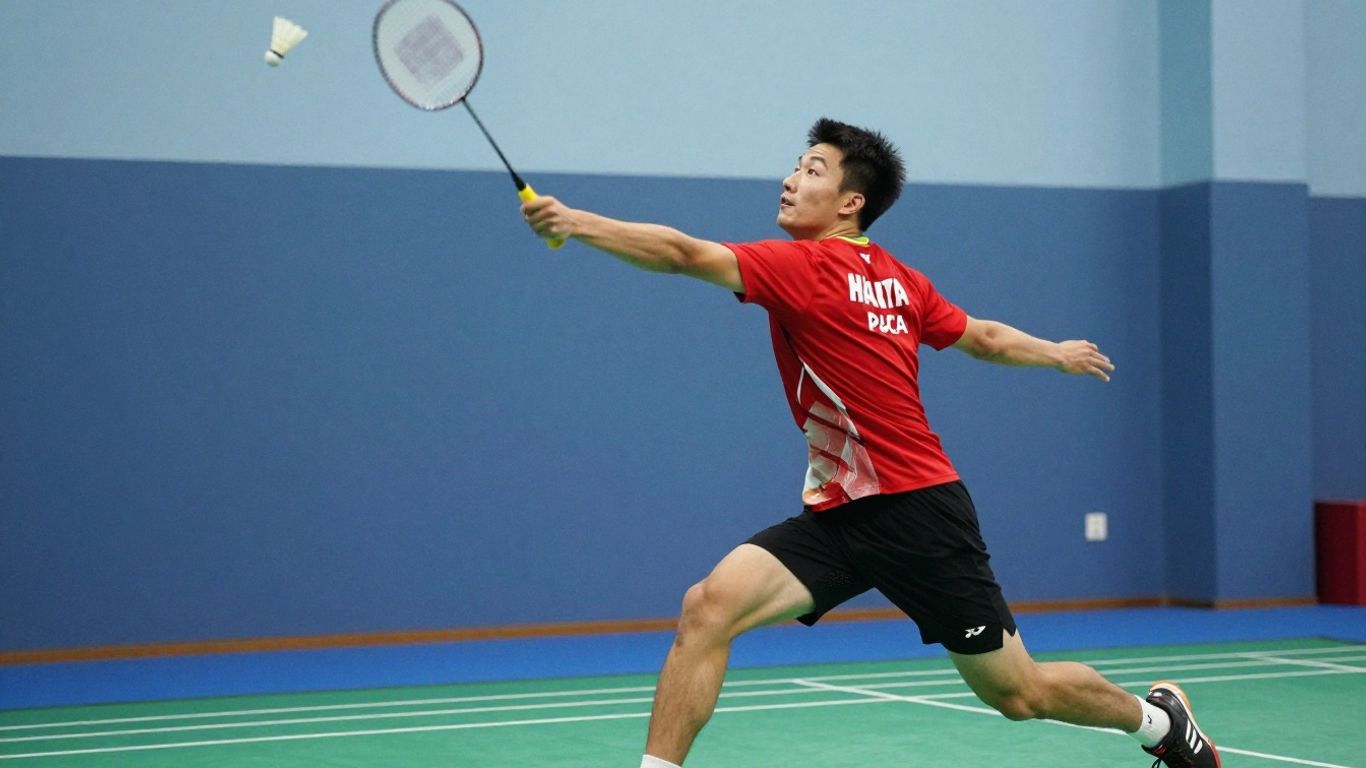
To really get good at serving in badminton, you can’t just rely on technique. Your body needs to be ready for action, too. Think about it, you’re moving fast, hitting hard, and doing it over and over. That takes some serious physical preparation.
Building Strength For Explosive Serves
Having strong muscles, especially in your legs, core, and arms, makes a big difference. It’s not just about hitting the shuttle; it’s about generating that quick burst of power needed for a fast serve. Exercises like squats and lunges help build leg power, which is key for your serve’s foundation. For your upper body, things like push-ups and even using resistance bands can help make your arm and shoulder muscles stronger. This helps you put more zip on the shuttle.
Enhancing Endurance For Consistent Serves
Badminton matches can go on for a while, and you need to be able to serve well from the first point to the last. That’s where endurance comes in. Regular cardio workouts, like running or cycling, will build up your stamina. This means you won’t get tired as quickly, and your serves will stay strong and accurate throughout the game. You don’t want your serve to weaken just because you’re a bit tired, right?
Agility Training For Quick Serve Reactions
While serving might seem like a static action, getting into the right position and recovering quickly after the serve involves a lot of quick movements. Agility drills help you move faster and more efficiently on the court. Think about quick feet drills, side shuffles, and short sprints. These help you react faster, get into the perfect serving stance, and be ready for the return shot. It’s all about being light on your feet.
Proper physical conditioning isn’t just about being strong; it’s about being strong in the right ways for badminton. It means having the power for that initial serve, the stamina to keep it up, and the quickness to get back into position. It’s a full package deal.
Here’s a quick look at some exercises to consider:
- Strength: Squats, Lunges, Push-ups, Plank holds
- Endurance: Jogging, Cycling, Interval training
- Agility: Cone drills, Ladder drills, Shuttle runs
Remember, consistency is key. Doing these exercises regularly will make a noticeable difference in your serve and your overall game. Don’t skip the warm-up and cool-down, either; they help prevent injuries and get your body ready for the work ahead.
Mental Fortitude For Serve Excellence
Playing badminton, especially when it comes to serving, isn’t just about how hard you can hit the shuttlecock or how fast your feet move. A big part of it, maybe even the biggest, happens right between your ears. Getting your head in the game is super important if you want your serves to be consistent and effective, match after match.
Cultivating A Winning Mindset
Think about it: every point starts with your serve. If you’re already feeling down or unsure before you even step up to serve, that’s going to show in your shot. It’s all about building up that inner confidence. Try talking to yourself in a positive way. Instead of thinking, “Oh no, I hope I don’t miss this,” try something like, “I’ve practiced this, I can do it.” It sounds simple, but it really can shift your perspective. Staying calm is key, too. When things get tense, take a moment, breathe deep, and try to let go of any tightness in your body. This helps you stay relaxed and react better.
Visualization Techniques For Perfect Serves
This is where you become your own coach before you even step on the court. Spend a few minutes before a match, or even before a practice session, just picturing yourself serving perfectly. Imagine the feel of the racket, the trajectory of the shuttlecock, and where you want it to land. See yourself executing your best serves, one after another. This mental rehearsal can make a surprising difference when it’s time to actually perform. It’s like giving your brain a preview, making the real action feel more familiar and natural.
Staying Focused Under Pressure
Matches can get intense, and it’s easy to lose focus when the score is close or when you’ve just made a mistake. Developing the ability to stay present and concentrate on the task at hand is a skill you can build. When you’re serving, try to block out distractions. Focus only on the shuttlecock, your racket, and your target. If your mind starts to wander to past errors or future worries, gently bring it back to the present moment. This kind of focus helps you execute your serves with precision, even when the pressure is on.
Here’s a quick look at how different mental aspects can impact your serve:
| Mental Aspect | Impact on Serve |
|---|---|
| Positive Self-Talk | Boosts confidence, reduces errors |
| Deep Breathing | Calms nerves, improves physical control |
| Visualization | Improves technique recall, increases consistency |
| Focus Under Pressure | Maintains accuracy, prevents unforced errors |
| Resilience | Helps recover from missed serves, maintains momentum |
Building mental strength isn’t a one-time fix; it’s an ongoing process. Like any other skill in badminton, it requires consistent effort and attention. Don’t get discouraged if you have off days; just keep practicing these mental techniques, and you’ll see improvements over time.
Consistent Practice For Badminton Serve Mastery
Structuring Effective Practice Drills
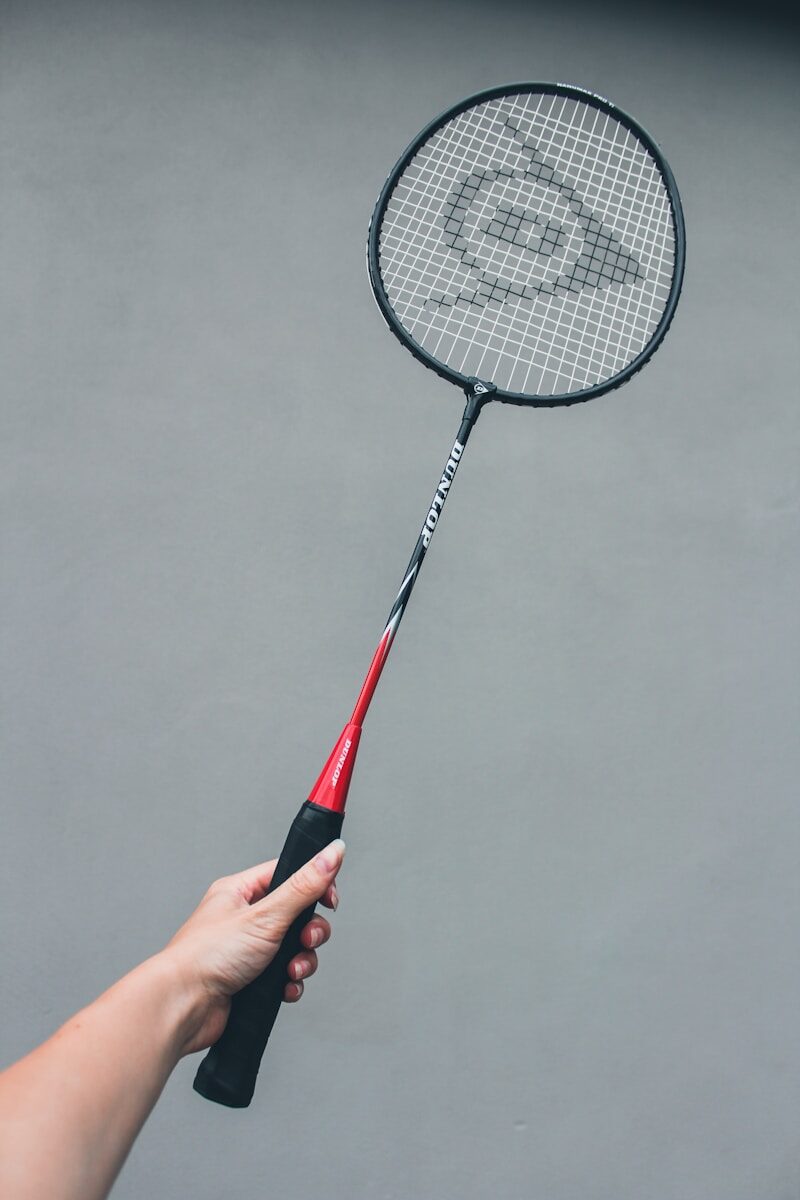
Look, getting good at badminton, especially those serves, isn’t just about showing up. It’s about showing up with a plan. You can’t just hit shuttlecocks randomly and expect to see big changes. You need to structure your practice time. Think about breaking down your serves into smaller parts. Maybe one session is all about the high clear, focusing on getting that height and depth. Another session could be dedicated to the flat drive, working on speed and accuracy. It’s about repetition, sure, but it’s also about purposeful repetition.
Here’s a way to think about structuring your drills:
- Focus Block: Dedicate 15-20 minutes to a single serve type. For example, work only on your drop serve, trying different angles and speeds.
- Transition Drill: Spend 10 minutes practicing switching between two different serves, like going from a flat drive to a high clear. This helps with deception.
- Scenario Simulation: Set up a mini-game where you have to execute a specific serve after a certain type of return. This mimics match pressure.
The key is to make every hit count towards improvement.
Simulating Match Conditions In Training
Practicing serves in a quiet gym with no pressure is one thing, but how do you get ready for a real match? You have to try and recreate that feeling during your training. This means adding some pressure. Maybe you set a goal for yourself, like hitting 10 successful serves in a row before you can move on to the next drill. Or, you could have a friend stand on the other side and give you feedback after each serve, just like a coach would.
Trying to replicate the intensity of a match during practice is what separates good players from great ones. It’s about getting your body and mind used to performing when it matters.
Think about it: when you’re in a match, you’re not just hitting serves. You’re thinking about your opponent, the score, and what shot they might play next. Try to build those elements into your practice. For instance, have your practice partner return your serve in different ways, forcing you to react and adjust. This kind of practice makes the actual match feel less daunting.
Analyzing And Refining Your Serve
So, you’ve been practicing, you’ve been simulating matches, but how do you know if it’s actually working? You need to step back and look at what you’re doing. Recording yourself is a great way to do this. You can see your footwork, your racket angle, and where the shuttle is actually landing. It’s often surprising what you notice when you watch yourself.
Here’s a simple breakdown for analysis:
- Record: Film your serves from different angles if possible.
- Review: Watch the footage critically. Look for consistency in your technique and placement.
- Identify: Pinpoint specific areas for improvement – maybe your toss is inconsistent, or your wrist action isn’t quite right.
- Adjust: Make small changes to your technique based on your findings.
- Repeat: Go back to practice with these adjustments in mind.
Don’t be afraid to ask for feedback from more experienced players or coaches. They can often spot things you might miss. Refining your serve is an ongoing process, not a one-time fix. It takes patience and a willingness to keep tweaking until it feels just right.
Your Badminton Journey Begins Now!
So, we’ve gone over a lot of stuff about badminton, from the basic moves to the fancy tricks and how to actually get better. Think of this as your starting point. Getting really good at badminton takes time, it’s not something that happens overnight. Just be patient with yourself, keep practicing, and most importantly, have a blast out there! Whether you’re just starting out or trying to polish your skills, these ideas can help. So grab your racket, find a court, and start playing! With the right plan and some hard work, you can definitely improve your game and enjoy badminton even more. Don’t just read about it, though. Get out there and actually do it. Every little bit helps! Go have fun and enjoy the ride!
Frequently Asked Questions
What are the most important basic skills in badminton?
The most important basic skills are your grip on the racket, how you move your feet (footwork), and the main ways you hit the shuttlecock (strokes). Getting these right is like building a strong house – everything else depends on it!
Why is footwork so important in badminton?
Good footwork is super important because it helps you move around the court really fast and get into the best spot to hit the shuttlecock. It’s like having quick legs that can take you anywhere you need to be!
What’s the difference between a clear, a drop shot, and a smash?
A clear is a high shot that goes to the back of the opponent’s court, giving you time to get ready. A drop shot is a soft shot that just barely goes over the net, making your opponent move forward. A smash is a powerful, fast shot hit downwards to try and win the point right away.
How can I make my serves more powerful?
To hit powerful serves, you need to practice your grip, make sure your body is in a good position, and swing with your whole body, not just your arm. Doing exercises that build strength in your arms and core can also help a lot.
What does ‘deception’ mean in badminton serves?
Deception means tricking your opponent. For serves, it’s about making it look like you’re going to hit the shuttlecock one way, but then hitting it another. This makes it hard for them to guess where it’s going and react in time.
How often should I practice to get better at serving?
You should practice serving regularly, even if it’s just for a little while each day. Mixing up your practice with different drills and sometimes playing pretend games helps you get used to real game situations and improve faster.