
Getting a good badminton serve down can really change how a game goes. It’s the first shot, right? So if you mess it up, your opponent might get an easy point or a chance to attack right away. It’s not just about getting the shuttle over the net, though. There’s a bit of technique and strategy involved, even for beginners. We’ll look at some basic badminton serve tips to help you start strong and maybe even surprise your opponent a little.
Key Takeaways
- Always serve the shuttle below your waist and with an upward trajectory. The racket needs to hit the shuttle below waist height, and it has to go up into the air first.
- For a forehand serve, get your grip right and stand facing the net. Toss the shuttle and swing your arm forward, using your wrist to flick it. Keep your feet still or step forward a bit.
- To get better, practice hitting the same spot over and over. Don’t grip the racket too tight, and focus on doing it right rather than hitting super hard.
- Mix up your serves. Use high serves to push opponents back in singles, and low serves to keep doubles opponents close to the net. Changing speed and direction also helps.
- Learn where to stand when serving from the right or left side of the court, and know how the serving order works in doubles.
Understanding The Fundamentals Of A Badminton Serve
Alright, let’s talk about the serve. It might seem simple, just getting the shuttle over the net, but in badminton, it’s way more than that. The serve is your first chance to dictate the rally, and getting it right from the start can really set the tone for the whole point. If you’re new to the game, or even if you’ve played a bit, making sure you’ve got the basics down is super important.
The Underhand Motion Rule
This is a big one, and it’s non-negotiable. In badminton, you have to serve underhand. This means the entire motion of your swing, from start to finish, must be below your waist. You can’t swing over your head like you might in tennis. It’s all about that smooth, upward motion from below. Think of it like a gentle flick rather than a big, powerful swing. This rule is there to keep the game fair and prevent players from getting an unfair advantage with a super high, fast serve right off the bat.
Serving Below Waist Height
Building on the underhand rule, the shuttlecock itself must be struck below your waist. So, even if your racket head comes up a bit, the point of contact with the shuttle needs to be below that imaginary line. This is why you see players bending their knees and getting low. It’s not just for show; it’s to make sure they’re legally hitting the shuttle. Getting this wrong means a fault, and your opponent gets the point. It takes a bit of practice to get the feel for it, especially when you’re trying to aim.
The Upward Flight Path
Another key rule is that the shuttlecock must travel upwards from the racket when served. You can’t hit it downwards over the net. This means your swing should have a natural upward trajectory. The goal is to send the shuttle over the net and into the opponent’s service court. It’s not about hitting it hard and flat; it’s about getting it up and over with control. This upward path is what allows for different types of serves, like the high serve that goes deep into the court or the low serve that just skims over the net.
Getting these basic rules down is the first step to a solid serve. Don’t worry if it feels a bit awkward at first. Everyone starts somewhere, and focusing on these core principles will build a good foundation for everything else you’ll learn.
Mastering The Forehand Serve Technique
Alright, let’s talk about the forehand serve. This is probably the most common serve you’ll see and use, especially when you’re starting out. It’s all about getting the shuttle over the net and into the service box, but doing it with some control. Think of it as your bread and butter serve.
Grip And Stance For Forehand
First things first, how you hold the racket and where you stand makes a big difference. For a forehand serve, you want a grip that feels natural but allows for a bit of wrist action. It’s not a death grip; think more like shaking hands with the racket, but a little firmer. Your stance should be comfortable, usually with your non-racket foot slightly forward, facing the net. You want to be balanced, ready to move a little if needed, but mostly stable for the swing.
The Shuttle Toss And Swing
This is where the magic happens. You’ll gently toss the shuttle up, just a little bit, right in front of you. Don’t throw it too high or too far forward. As the shuttle starts to drop, you bring your racket back and then swing forward. The key here is a smooth motion, using your forearm and a little flick of the wrist to hit the shuttle. The goal is to make contact just below your waist height, keeping that upward trajectory towards your opponent’s service court. It’s less about brute force and more about a clean, controlled hit.
Footwork During The Serve
When you’re serving, your footwork doesn’t need to be complicated. Many players keep their feet planted, focusing entirely on the swing. Others might take a small step forward with their opposite foot as they swing. The main thing is to maintain your balance throughout the serve. You don’t want to be stumbling around. Whatever you do, make sure your feet stay behind the service line until you actually hit the shuttle. It’s a simple rule, but important to remember.
Developing Consistency And Control
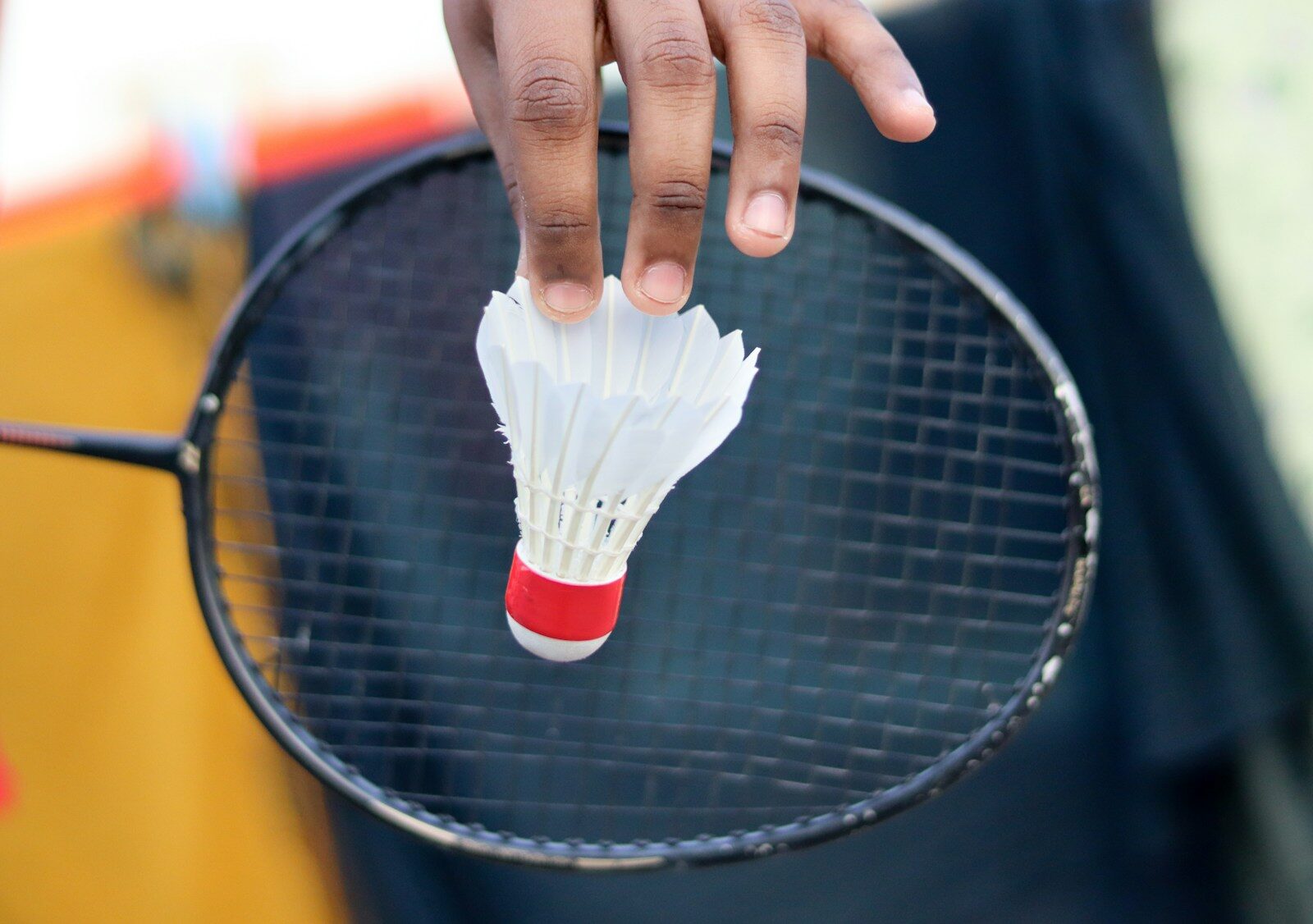
Alright, so you’ve got the basic serve motion down. That’s great! But just being able to get the shuttle over the net isn’t enough if you want to actually win points. The next big step is making sure your serves are reliable and go where you want them to. This is where consistency and control come into play, and honestly, it’s probably the most important part of improving your game.
Practice Aiming For Specific Spots
Think of your opponent’s court like a dartboard. You don’t just want to hit the board; you want to hit the bullseye, or at least the sections that give you an advantage. For beginners, just getting the shuttle in is a win, but you need to start thinking about where it lands. Try setting up targets on the court – maybe a towel or a cone. Focus on hitting those specific spots consistently. This forces you to pay attention to the details of your swing and where you’re directing the shuttle.
Here’s a simple way to think about it:
- Corners: Aiming for the back corners can push your opponent back, giving you space. This is especially useful in singles.
- The Line: A serve that just clips the service line can be tough to return effectively.
- Short: A serve that drops just over the net can catch an opponent off guard, especially if they’re standing too far back.
The Importance Of A Relaxed Grip
This one sounds simple, but it’s a game-changer. When you grip the racket too tightly, your wrist and forearm get stiff. This kills your finesse and makes it harder to control the shuttle’s direction and speed. A relaxed grip allows for a smoother swing and better feel for the shuttle. You want to hold the racket firmly enough so it doesn’t slip, but not so tight that you feel tension all the way up your arm. Think of it like holding a bird – firm enough not to let it fly away, but gentle enough not to crush it.
Focusing On Technique Over Power
It’s tempting to try and smash every serve as hard as you can, especially if you see the pros doing it. But for most of us, especially when starting out, power comes at the expense of control. A serve that’s too powerful but lands out or in the net is useless. Instead, focus on getting your technique right. A well-executed serve with good placement, even if it’s not super fast, will be much more effective than a wild, powerful one. Once your technique is solid, you can gradually add more power without sacrificing accuracy. It’s a marathon, not a sprint, when it comes to building a strong serve.
Strategic Serve Variations For Advantage
Alright, so you’ve got the basics down, but how do you really start messing with your opponent? It’s all about mixing things up. A predictable serve is like leaving the door wide open for them. We’re talking about using different serves to throw them off balance and maybe even win the point right then and there.
The High Serve For Singles
This is your classic singles weapon. You want to hit the shuttle up and deep into your opponent’s backcourt. The goal is to push them way back, making it tough for them to get a good angle on their return. If you do it right, they’ll be scrambling to get under it, and you can set yourself up for the next shot. It’s not about hitting it super hard, but more about getting that height and distance.
The Low Serve For Doubles
Now, in doubles, things get a bit more crowded, and a high serve can be a death sentence. Instead, you want to use a low serve. Think of it as a gentle push just over the net, landing as close to the front service line as possible. This forces your opponents to move forward, and if they can’t quite get under it, they might have to lift it back to you, giving your partner a chance to smash. It’s all about keeping the shuttle low and tight.
Varying Serve Direction And Speed
Don’t just serve to the same spot every time. Mix it up! Sometimes go for the corners, sometimes aim for the middle. And don’t forget speed. A sudden change in pace can catch your opponent off guard. They might be expecting a slow, floaty serve and suddenly get a quick one right at them. It keeps them guessing and prevents them from settling into a rhythm.
Here’s a quick rundown:
- High Serve: Best for singles, pushes opponent back.
- Low Serve: Ideal for doubles, keeps opponent forward.
- Directional Changes: Aim for corners or the center.
- Speed Variation: Mix fast and slow serves.
Using different serves isn’t just about making your opponent move; it’s about controlling the pace of the game from the very first shot. It’s your chance to dictate the rally before it even really begins.
Serving Positions And Court Awareness
Knowing where to stand on the court when you serve is super important. It’s not just about getting the shuttle over the net; it’s about setting yourself up for the next shot and making it tough for your opponent. This part of the game can feel a little confusing at first, especially with all the rules about where you can and can’t stand, but once you get it, it really helps your game.
Serving From The Right Court
When you’re serving, the side of the court you stand on depends on your score. If your score is an even number (like 0, 2, 4, etc.), you serve from the right side. This means you’ll be serving diagonally across the net into the opponent’s left service box. This is your starting point for most games. It’s a good spot to practice your standard serves, whether it’s a low serve aimed at the front or a high serve to push your opponent back.
Serving From The Left Court
Now, if your score is an odd number (like 1, 3, 5, etc.), you switch to the left side of the court to serve. From here, you’ll be serving diagonally into the opponent’s right service box. This change in position can be used strategically. If you’ve just won a point and your score is now odd, you’ll move to the left to serve. It’s all about keeping track of the score and your position.
Understanding Doubles Rotation
Doubles is where things get a bit more interesting with serving positions. While the serve always starts from the right side (like in singles, when the score is even), the rotation after that is key. When the serving side wins a point, the same player continues to serve, but they switch service courts. If they lose the rally, the serve goes to the other team, and the player in the left service court of the receiving team becomes the new server. It sounds complicated, but it’s about making sure both players on a team get a chance to serve from both sides. Good court awareness helps you know where to be and when. Improving badminton court awareness involves developing good court positioning. This training helps players become more aware and accurate on the court, leading to better performance.
Here’s a quick rundown of the general idea:
- Starting Serve: Always from the right service court.
- Winning a Point: If your team wins the rally, the server switches service courts (right to left, or left to right) but stays in the same serving position relative to their partner.
- Losing the Rally: If your team loses the rally, the serve goes to the opponents. The player who was in the left service court of the receiving team now serves.
- Partner’s Turn: After the serve has gone through both players on one side (meaning each has served from their respective court), the serve goes to the other team.
It’s easy to get mixed up with doubles rotation, especially when you’re new. The best advice is to practice it. Play out points and focus on where you and your partner should be after each rally. Don’t be afraid to ask your partner to remind you if you’re unsure. Communication is key in doubles, and that includes knowing your serving positions.
Effective Serve Return Strategies
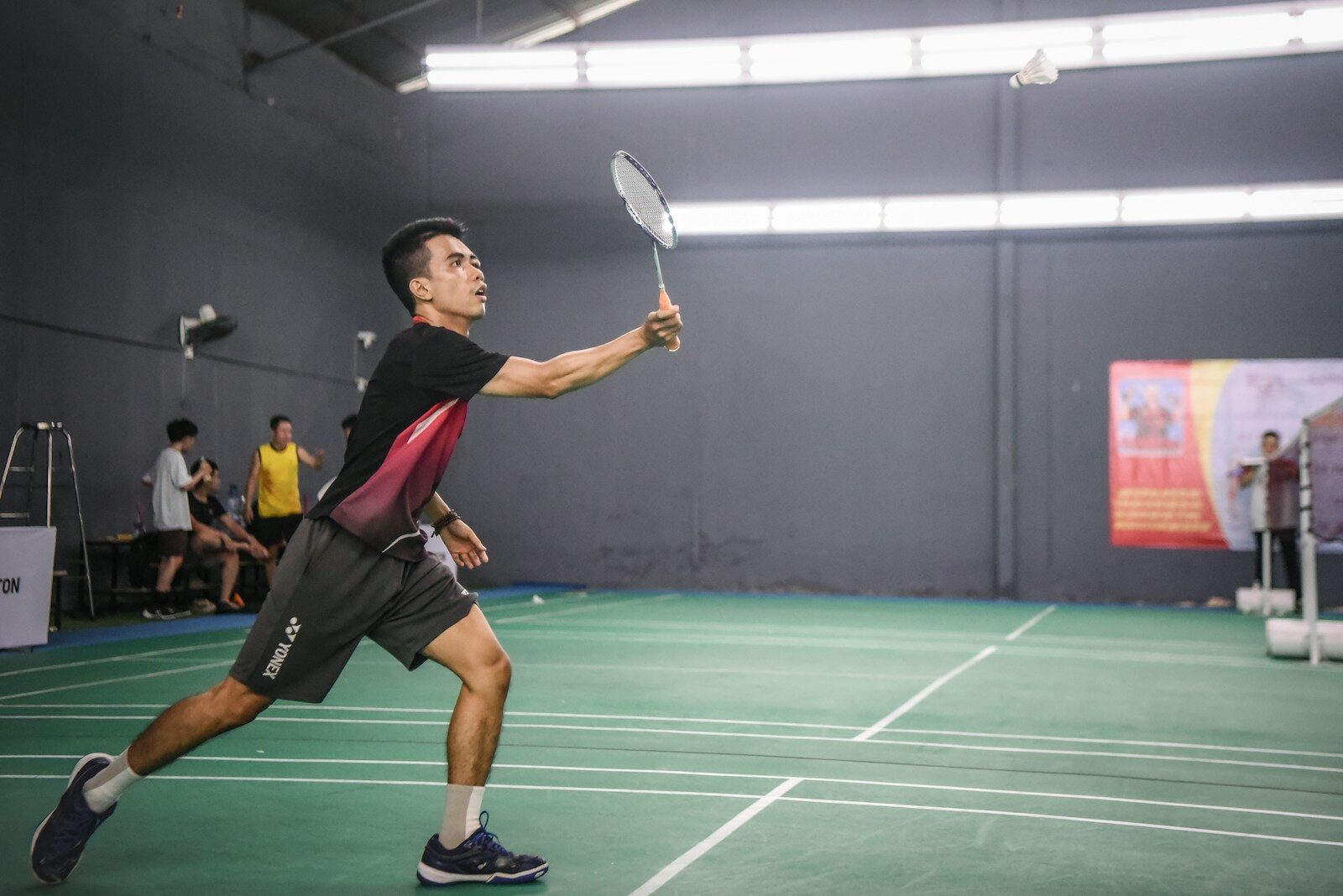
Ready Position for Receivers
Getting ready to return a serve is half the battle, really. You want to be in a spot where you can move quickly in any direction. Most players stand with their non-racket leg a bit forward, racket held out in front, elbow slightly bent. It’s not a rigid pose, though. You’ll need to adjust based on who’s serving and what kind of serve they tend to favor. Pay attention to your opponent; their habits will tell you a lot about where to position yourself.
Returning Flat Drive Serves
These fast, flat serves can be tough, especially when you’re starting out. Instead of trying to blast it back, consider a softer return. Your opponent is probably expecting a powerful shot and might be standing further back. A gentle, well-placed shot down the line or cross-court can really throw them off. They’ll have to scramble to get to it, potentially forcing a weak return that you can then smash.
Countering the High Serve
When your opponent sends a high serve, your first thought might be to smash it back with all your might. But sometimes, a different approach works better. Instead of a full-power smash, try a half smash. This is a steeper shot that forces your opponent to bend down low to return it. If you hit it well, they might have to lift the shuttle back up, giving you a chance for a real smash on the next shot.
Here are a few ways to think about your return strategy:
- Deceptive Backhand Return: Make it look like you’re hitting straight, then at the last second, switch to a cross-court shot. This works best when the serve is near the center of the court.
- Aggressive Net Shot: If the serve is short and near you, try to hit it just over the net. The goal is to make it drop quickly, forcing your opponent to rush forward.
- Unexpected Soft Shot: Against a flat drive, a soft, controlled return can be more effective than raw power.
Returning a serve isn’t just about reacting; it’s about anticipating and controlling the rally from the start. Think about where your opponent is standing and what they expect. Surprise them with your placement and shot selection.
Keep Playing and Keep Improving
So, there you have it. Mastering the serve in badminton isn’t some big mystery. It takes practice, sure, but it’s totally doable. Remember to focus on your grip, get that ready stance down, and don’t forget to mix things up with different serves. Whether you’re just starting out or looking to polish your game, a solid serve is your ticket to controlling the rally. Keep hitting those shuttles, pay attention to what works, and most importantly, have fun out there on the court. Every practice session gets you closer to that perfect serve.
Frequently Asked Questions
What are the basic rules for serving in badminton?
In badminton, you have to serve the shuttlecock underhand, meaning you must hit it below your waist. The shuttle has to travel upwards and land in the opponent’s service box. You can’t hit it overhand like in tennis.
How do I know where to serve from on the court?
It depends on your score. If your score is even (0, 2, 4, etc.), you serve from the right side. If your score is odd (1, 3, 5, etc.), you serve from the left side. In doubles, the rules are a bit different, but you usually start from the right side.
What’s the difference between a high serve and a low serve?
A high serve is hit deep into the opponent’s court, usually in singles, to make them move back. A low serve is hit just over the net, often used in doubles to stop the other team from attacking right away.
How can I get better at serving consistently?
Practice makes perfect! Try to aim for the same spot every time. Focus on your technique, like how you swing your arm and flick your wrist, rather than trying to hit the shuttle really hard. Keep your grip relaxed too.
What’s a good way to return a fast serve?
If someone hits a really fast, flat serve, don’t just try to smash it back. Sometimes, a soft, unexpected shot aimed to the side or corner can catch them off guard and make them scramble to return it.
How should I stand when waiting to receive a serve?
You need to be ready to move quickly! Stand with your feet about shoulder-width apart, knees slightly bent, and lean forward a bit. Keep your racket in front of you, ready to swing in any direction. This is called the ready position.