
Looking for a new Yonex badminton racquet? You’ve come to the right place. Yonex has been making top-quality gear for ages, and pretty much everyone, from your neighbor who plays on weekends to the pros on TV, trusts their stuff. It’s not just about cool tech; these racquets just perform. This guide is going to break down what makes a Yonex racquet tick and help you figure out which one fits your game best. We’ll go over the basics of what to look for, and then we’ll dive into some of the best Yonex badminton racquets out there for different kinds of players. Let’s get you set up with a racquet that feels like an extension of your arm.
Key Takeaways
- When picking out Yonex badminton racquets, think about weight, balance, and how flexible the shaft is. These specs really change how the racquet feels and performs.
- Your playing style is super important. Are you the type to go all out on the attack, always looking for a smash? Or do you prefer to hang back, defend, and wait for your chance?
- Yonex has different lines of racquets, like the Play series for beginners or the Pro series for advanced players. Knowing these can help narrow down your choices.
- Don’t just buy the first Yonex badminton racquet you see. Try to test it out if you can, or at least hold it. Comfort is a big deal.
- The best Yonex badminton racquet for you is the one that feels good in your hand and helps you play your best, no matter how much it costs.
Understanding Yonex Badminton Racquet Specifications
Picking out a new badminton racquet can feel a bit overwhelming, especially with all the different specs Yonex throws at you. But honestly, it boils down to a few key things that really make a difference in how the racquet feels and performs on the court. Getting these right means you’ll have a racquet that works with you, not against you.
Weight: Finding Your Ideal Balance
Racquet weight is usually measured in ‘U’ ratings. You’ll see things like 2U, 3U, 4U, and 5U. The lower the number, the heavier the racquet. So, a 2U racquet is heavier than a 4U. Generally, heavier racquets (like 2U or 3U) give you more power for smashes and clears because there’s more mass behind the swing. On the flip side, lighter racquets (like 4U or 5U) are way easier to swing quickly. This is great for defense, fast exchanges at the net, or if you just want to reduce arm fatigue during long matches. Most players find a sweet spot with 3U or 4U racquets, as they offer a good mix of power and maneuverability.
Here’s a quick look at typical weights:
| Rating | Approximate Weight (grams) |
|---|---|
| 2U | 90-94g |
| 3U | 85-89g |
| 4U | 80-84g |
| 5U | 75-79g |
Balance Point: Power vs. Speed
This is all about where the weight is concentrated on the racquet. You’ll hear terms like ‘head-heavy’, ‘even balance’, and ‘head-light’.
- Head-Heavy: The weight is mostly at the top of the racquet head. This gives you a lot of power for smashes and clears. Think of it like swinging a hammer – more force behind it. These are often favored by attacking players, but they can feel a bit slower to swing.
- Even Balance: The weight is distributed pretty evenly throughout the racquet. This is a good middle ground, offering a blend of power and speed. It’s a solid choice for players who like to do a bit of everything.
- Head-Light: Most of the weight is closer to the handle. These racquets are super quick to swing, making them ideal for defensive players or those who play a lot at the net and need to react fast. They might not have the same raw smashing power, though.
Your preferred balance point often aligns with your playing style. If you’re always looking to attack, a head-heavy racquet might be your best friend. If you’re more about defense and quick reactions, lean towards head-light.
Shaft Flexibility: Enhancing Your Swing
The shaft is the part connecting the handle to the head. Its flexibility affects how much whip or ‘lag’ you get during your swing. Yonex generally categorizes shafts as flexible, medium, or stiff.
- Flexible Shafts: These bend more during a swing. This extra whip can help generate racquet head speed, which is good for players with a slower swing or those who are just starting out. It can add a bit of power without needing as much brute force.
- Medium Shafts: A good compromise. They offer a decent amount of flex for power generation but are still responsive enough for faster players.
- Stiff Shafts: These barely bend at all. They transfer energy directly from your swing to the shuttlecock with minimal loss. Stiff shafts are preferred by advanced players with fast swing speeds who want maximum control and precision. They require more power from the player to get the most out of them.
Matching Yonex Badminton Racquets to Your Play Style
So, you’ve got a handle on the specs – weight, balance, and shaft flexibility. Now, let’s talk about how these bits and pieces actually translate to how you play on the court. It’s not just about having the latest tech; it’s about finding a racket that feels like an extension of your own arm, one that plays to your strengths.
The Attacker’s Choice: Power and Dominance
If your game plan involves smashing your way to victory, you’ll want a racket that helps you put maximum force behind those shots. Attackers often look for racquets that are a bit head-heavy. This extra weight at the top of the frame means more momentum when you swing, leading to harder-hitting clears and smashes. A stiffer shaft also plays a role here; it transfers energy more directly to the shuttlecock, giving you that extra bit of power. Think of it as a more direct line from your swing to the shuttle.
- Key Features for Attackers:
- Head-heavy balance
- Stiffer shaft
- Potentially slightly heavier weight (e.g., 3U) for more swing weight
The Defender’s Edge: Speed and Agility
On the flip side, if you’re the player who seems to be everywhere on the court, retrieving shots with lightning speed and turning defense into offense, you need a racket that keeps up. Defenders usually prefer racquets that are head-light. This means the weight is concentrated more towards the handle, making the racket feel much quicker and easier to maneuver. You can whip it around fast for those reflex shots at the net or to get back in position after a tough rally. A more flexible shaft can also help generate shuttle speed without requiring as much brute force, which is great when you’re on the defensive.
- Key Features for Defenders:
- Head-light balance
- More flexible shaft
- Lighter weight (e.g., 4U or 5U) for quickness
The All-Rounder’s Companion: Versatility
Many players fall into the all-rounder category. You can attack, you can defend, and you’re comfortable playing anywhere on the court. For you, the sweet spot is often found in a racket that offers a good balance between power and speed. Even-balanced racquets are a popular choice here, distributing weight evenly throughout the frame. This gives you a bit of everything – enough power for clears and smashes, and enough speed for quick exchanges. A medium-flex shaft is also a common feature, providing a good compromise for different shot types. Finding the right Yonex badminton racket in this category means looking for a racket that doesn’t force you into one style but supports a variety of play.
Ultimately, the best racket for your play style is the one that feels most natural and allows you to perform at your peak without feeling held back. It should complement your natural movements and shot-making abilities.
- Key Features for All-Rounders:
- Even balance
- Medium flex shaft
- Often a 4U weight for a good mix of control and speed
Exploring Top Yonex Badminton Racquet Categories
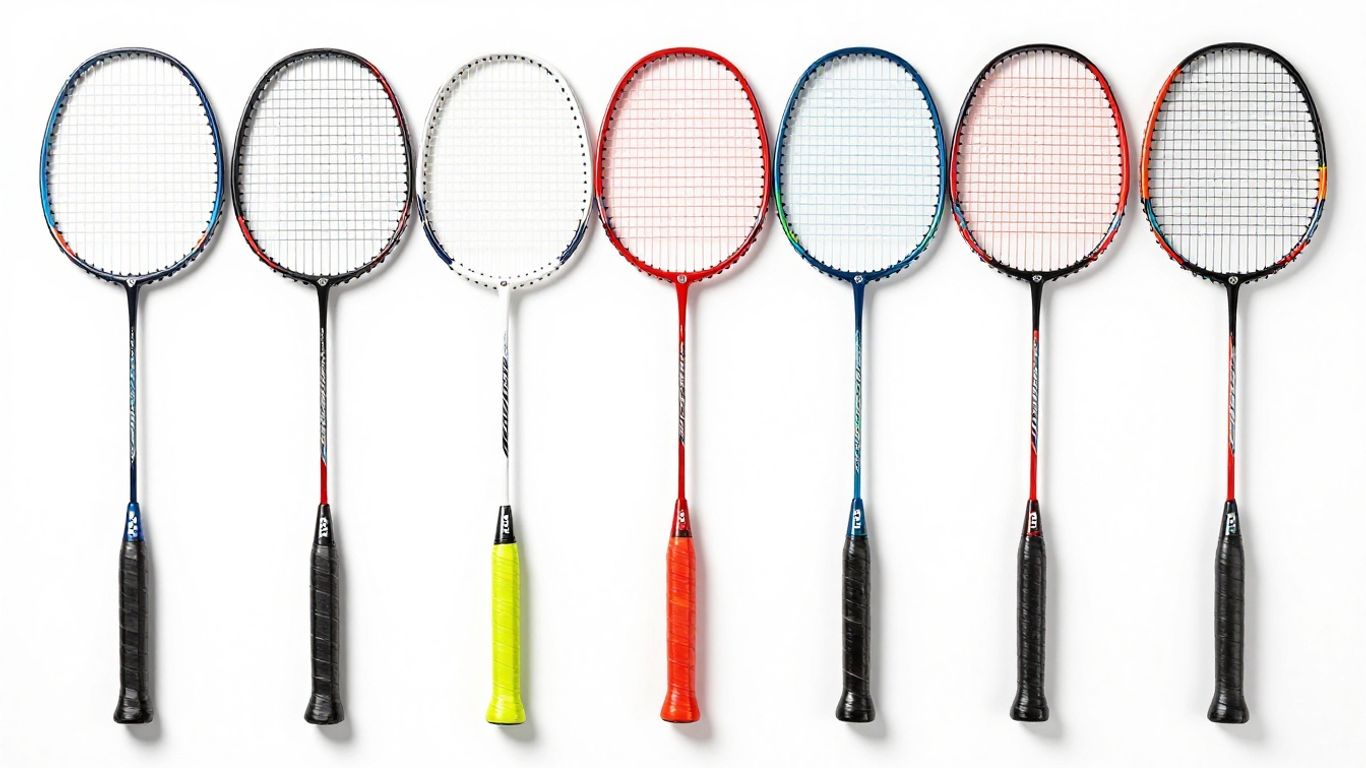
Choosing a Yonex badminton racquet isn’t just about grabbing the highest-priced model or the one you see on TV. There’s actually a whole spectrum of categories, each designed with a different player in mind. Understanding these categories will help you zero in on a racquet that actually fits your needs. Let’s break down what sets these categories apart and why it matters.
Best Yonex Racquets for All-Around Performance
All-round racquets strike a balance between power, control, and speed. If you’re the type who enjoys mixing up attacks with defensive shots, this might be your comfort zone.
- Balanced weight distribution for both easy smashes and drop shots
- Medium flex shafts support both quick reactions and power
- Excellent if you play both singles and doubles frequently
One favorite is the Yonex Arcsaber 11 Pro, known for dependable performance across different playing styles.
Top Yonex Racquets for Attacking Power
For players who live for smashing and love putting pressure on their opponents, Yonex has a few powerhouses. These racquets generally feature:
- Head-heavy balance, adding momentum to your swing
- Stiff to extra-stiff shafts for maximum energy transfer
- Slightly heavier frame for added punch on smashes
If backcourt dominance is your thing, the Astrox 88D Pro is often the racquet of choice among power players. For a detailed look at factors that matter when choosing a racquet, take a look at this expert guide to Yonex racquets.
Popular Yonex Racquets: Best-Sellers
Some racquets just hit the sweet spot for lots of players. These are the models you’ll see again and again in clubs and tournaments. They usually succeed because:
- The design appeals to a wide skill range
- Proven reputation for reliability
- Often adopted by pro and club players alike
Here’s a quick comparison:
| Model | Strengths | User Level |
|---|---|---|
| Astrox 100 ZZ | Power, Control | Intermediate-Adv. |
| Nanoflare 800 Pro | Speed, Maneuvering | Intermediate-Adv. |
| Arcsaber 11 Pro | Versatility | All Levels |
Fastest Yonex Racquets for Defensive Play
If your game is about speed, lightning reflexes, and returning every smash, you’ll want a racquet that’s easy to whip around. These models are typically:
- Lighter and more head-light for quick movement
- Have stiff but responsive shafts
- Allow for fast drives and flicks at the net
The Nanoflare 800 Pro stands out for its raw speed, making it easier to turn defense into attack in a heartbeat.
Fast racquets are lifesavers when you’re scrambling to keep the rally alive. Sometimes just getting your racquet up in time makes the difference between winning and losing a crucial point.
Yonex Racquets for Doubles Front-Court Dominance
Doubles matches are often decided by whoever controls the net. For front-court players, features like ultra-fast handling and pinpoint accuracy matter most:
- Head-light to even balance for ultimate mobility
- Thin frames that cut through the air with less resistance
- Typically used by advanced doubles specialists who play right at the net
Look at the Astrox 88S Pro or Nanoflare series if you want to command the front court.
Ranking in the right category is honestly about knowing how you like to play. The Yonex range has something for everyone – just match the model to your own tendencies on court and you’ll be set for better matches (and hopefully, more wins).
Yonex Racquet Ranges Explained
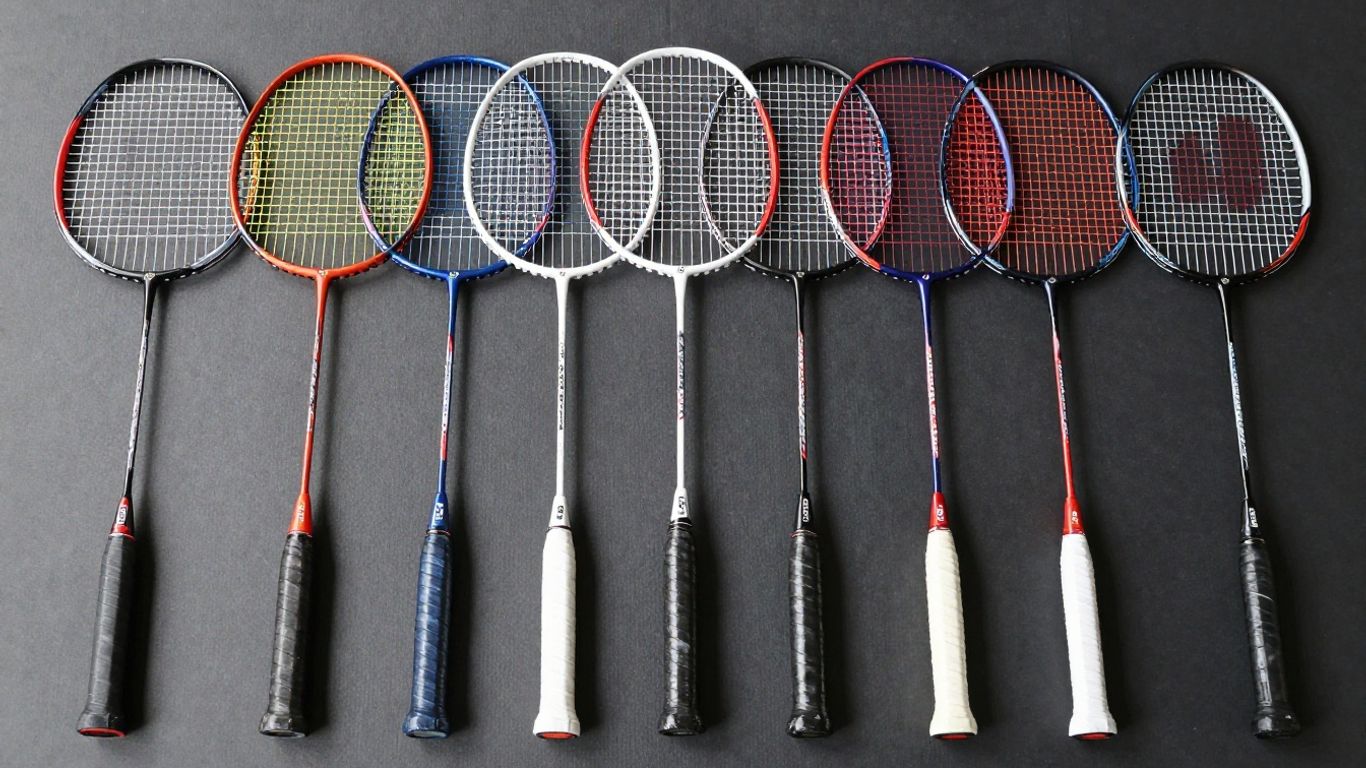
Yonex organizes its racquets into distinct series, each designed with specific player types and skill levels in mind. Understanding these ranges is key to finding a racquet that fits your game. It’s not just about marketing; there are real differences in construction and feel that impact performance.
The Play Series: Beginner-Friendly Flexibility
If you’re just starting out or play casually, the Play series is likely your sweet spot. These racquets are generally more flexible, which helps players with slower swing speeds generate more power. Think of the shaft bending like a spring – it gives you a bit of a boost when you hit the shuttle. They’re also often lighter, making them easier to handle and less taxing on your arm as you develop your technique. These are built for ease of use and learning the basics.
The Game Series: Club Player Forgiveness
Stepping up from the Play series, the Game series is aimed at club players. They offer a good balance between flexibility and stiffness, providing a bit more control than the Play series but still retaining some of that forgiving nature. If your technique is improving and you’re looking for a racquet that can keep up without punishing every slight mis-hit, the Game series is a solid choice. They’re often made in Taiwan, which is a step up in manufacturing compared to the Play series.
The Tour Series: Intermediate Speed and Reaction
For intermediate players who have developed a faster swing speed, the Tour series is where you’ll find racquets that can match your pace. These racquets tend to be medium to stiff in flex. This means they transfer energy more directly, giving you better precision and responsiveness. You’ll notice a quicker feel when you swing, allowing for faster reactions on court. This series is a great step towards more serious play and often comes with higher quality carbon graphite. You can explore some of these intermediate racquets to see if they fit your needs.
The Pro Series: Advanced Power and Precision
At the top of the line, the Pro series is for advanced and professional players. These racquets are typically the stiffest in Yonex’s lineup. They require a fast swing speed to get the most out of them, but in return, they offer maximum power and pinpoint accuracy. The minimal flex means less energy is lost on impact, rewarding players with excellent technique. These are premium racquets, often made in Japan, and are designed for players who demand the absolute best in performance and control.
Here’s a quick look at how the series generally stack up:
| Series | Flexibility | Player Type |
|---|---|---|
| Play | Flexible | Beginner/Casual |
| Game | Med-Flex | Club Player |
| Tour | Med-Stiff | Intermediate |
| Pro | Stiff | Advanced/Pro |
Choosing the right series is about matching the racquet’s characteristics to your current abilities and how you want to play. Don’t be afraid to try different types if you get the chance; feel is incredibly personal.
Choosing Your Perfect Yonex Badminton Racquet
So, you’ve looked at the specs and figured out your play style. Now comes the fun part: actually picking the racket that feels right in your hand. It’s not just about what the numbers say; it’s about how it feels when you swing it. Think of it like finding a good pair of shoes – they might look great on paper, but if they pinch your feet, they’re no good.
Consider Your Skill Level
This is a big one. If you’re just starting out, grabbing a super stiff, head-heavy racket meant for pros probably isn’t the best move. You might struggle to get any power behind your shots, and it could feel really awkward. Beginners usually do better with something a bit more forgiving. Yonex has series like the ‘Play’ or ‘Game’ lines that are designed to be easier to swing and more balanced. They help you learn the basics without fighting the equipment. As you get better, you can move up to rackets that demand a bit more from you but give you more in return.
- Beginner: Look for medium flex shafts, even balance, and weights around 4U (80-85g). These are forgiving and help with learning.
- Intermediate: You can start exploring medium-stiff shafts and slightly head-heavy or head-light balances depending on your developing style.
- Advanced: Stiffer shafts, more extreme balance points (head-heavy for power, head-light for speed), and potentially heavier weights (like 3U) become options.
Prioritize Comfort and Feel
This is where personal preference really kicks in. What feels powerful and fast to one person might feel sluggish or unwieldy to another. You want a racket that feels like an extension of your arm. Pay attention to the grip size – most Yonex rackets come in a standard G5, but you can always add overgrips to make it thicker if needed. The weight and balance are key here. A head-light racket will feel quick for net play, while a head-heavy one might feel like it has more ‘oomph’ for smashes. Don’t underestimate how much a racket’s feel can affect your confidence on the court.
The best racket isn’t always the most expensive or the one used by the pros. It’s the one that makes you feel confident and allows you to play your best game without feeling held back by your equipment.
Test Before You Invest
If you can, try to test out a few different rackets before you buy. Ask friends if you can borrow theirs for a few minutes, or see if your local club or pro shop has demo rackets available. Swinging a racket, hitting a few clears, drops, and maybe even a smash, will tell you more than any spec sheet ever could. You’ll get a real sense of its weight, balance, and how it handles. This step can save you a lot of money and disappointment in the long run. It’s worth the effort to find that perfect match that just feels right.
Finding Your Perfect Yonex Racket
So, we’ve gone through a bunch of Yonex rackets, looking at what makes each one tick. Remember, the best racket isn’t just about the fancy tech; it’s about how it feels in your hand and how it works with your game. Whether you’re a power hitter who loves to smash, a quick player who dominates the net, or someone who likes a bit of everything, there’s a Yonex racket out there for you. Don’t be afraid to try a friend’s racket or see if you can demo one before you buy. Ultimately, the right racket will just feel right, making you want to get out on the court more often. Now go find that perfect match and enjoy playing!
Frequently Asked Questions
What does the ‘U’ rating mean on a Yonex racket?
The ‘U’ rating tells you how heavy the racket is. For example, a 4U racket is lighter (around 80-84 grams) than a 3U racket (around 85-89 grams). Lighter rackets are easier to swing fast, which is great for quick defense and net play. Heavier rackets can give you more power for smashes.
Should I get a head-heavy or head-light racket?
It depends on how you play! If you like hitting powerful smashes and clears, a head-heavy racket puts more weight at the top, giving you extra power. If you prefer fast rallies, quick reactions at the net, and defense, a head-light racket is faster to swing and easier to control.
What’s the difference between a flexible and a stiff racket shaft?
A flexible shaft bends more when you swing, which can help beginners generate more power and speed for their shots, especially clears. A stiff shaft is less flexible and reacts quicker, which is better for advanced players who already have a lot of power and speed in their swing and need the racket to match their fast movements.
How do I know which Yonex racket series (Play, Game, Tour, Pro) is right for me?
The Play series is for beginners, offering more flexibility. The Game series is for club players who want a bit more forgiveness. The Tour series is for intermediate players needing speed and reaction. The Pro series is for advanced players who need maximum power and precision.
Is it important to try a racket before buying it?
Yes, definitely! Just like trying on shoes, it’s best to feel how a racket handles in your hand. If you can, borrow a friend’s racket or demo one at a store. This helps you see if it feels comfortable and suits your playing style before you commit to buying.
Can a beginner use a more expensive, advanced racket?
While you can, it’s usually better for beginners to start with rackets designed for them, like those in the Play or Game series. These are often more flexible and forgiving, making it easier to learn the basics and develop your technique without fighting a racket that might be too stiff or heavy for you.