
Playing tournaments recently at venues rich with history has inspired me to research various badminton history facts and write this article. Today, we’ll look into the rich tapestry of badminton’s past as we explore intriguing historical facts that have shaped this elegant sport. From ancient origins to its global evolution, the journey of badminton is a fascinating tale of shuttlecocks, rackets, and athletic prowess. Join us as we unravel the chapters of badminton’s history, shedding light on some lesser-known but captivating facts that have woven the sport into the fabric of global athleticism.
Key Takeaways
- The history of badminton traces back over 2,000 years to ancient games like battledore and shuttlecock, played in cultures such as Greece, China, and India.
- Modern badminton originated in England in the mid-19th century, with a significant connection to Badminton House and the formalization of rules by the Bath Badminton Club.
- The All-England Championships, established in 1899, is one of the oldest tournaments and has played a big part in the sport’s development and introduction of new techniques.
- Badminton equipment has transformed dramatically, from simple paddles to advanced carbon fiber rackets, allowing for greater power and control.
- Badminton became an official Olympic sport at the 1992 Barcelona Summer Olympics, showcasing global talent and solidifying its worldwide appeal.
Ancient Origins Of Badminton
The Ancient Roots Of Battledore And Shuttlecock
Long before it was called badminton, people were already playing games with rackets and feathered projectiles. We’re talking way back, over 2,000 years ago, with games like battledore and shuttlecock popping up in places like ancient Greece, China, and India. It was pretty simple, really: just hit a shuttlecock back and forth using some kind of paddle. This ancient pastime is the true ancestor of the sport we enjoy today. Over time, different cultures added their own little twists, making the game more interesting and setting the stage for what was to come. It was a fun way to pass the time, and eventually, this game made its way to British India, where it became a favorite among the soldiers. It’s amazing how a simple game could travel so far and evolve so much. You can see how this early version of hitting a shuttlecock laid the groundwork for badminton’s origins.
Evolution From Ancient Pastimes
From those early days of battledore and shuttlecock, the game started to change. It wasn’t just a casual game anymore; it began to take on a more structured form. One significant step was its popularity in British India, where it was known as ‘poona’. British army officers stationed there really got into it, and when they returned to England, they brought the game with them. This transfer was key. It started to move from just being a way to entertain yourself to something more organized. The game was picked up by the upper classes in England, and this patronage helped it develop further. It’s a fascinating journey from a simple game played by many to a sport that would eventually be played on formal courts. The way it transformed shows how games can adapt and grow across different societies and time periods, eventually leading to the sport across Greece, Egypt, China, and India we see today.
The Birth Of Modern Badminton
A Royal Connection In Badminton House
So, how did this game, which started as a simple way to bat a shuttlecock around, turn into the sport we know today? Well, it seems like royalty had a hand in it. Back in 1873, a fellow named the Duke of Beaufort threw a party at his place, Badminton House, in England. It was there that guests got their first taste of a new version of battledore and shuttlecock. This gathering is widely considered the moment modern badminton truly began. The game was a hit with the upper crust, and it wasn’t long before it started to spread.
Formalization By The Bath Badminton Club
After its introduction at Badminton House, the game really took off. It wasn’t just a casual pastime anymore; people wanted to play it properly. This led to the formation of the Bath Badminton Club. These folks got together and decided to iron out the rules, giving the sport a more official structure. They published the first set of rules in 1877, which was a pretty big deal for the game’s development. It meant that people could play the same game, no matter where they were.
Here’s a quick look at how the game evolved:
- Ancient Roots: Games like battledore and shuttlecock were played for centuries.
- British India: British officers picked up a version called ‘Poona’ and brought it back to England.
- Badminton House: The Duke of Beaufort’s party in 1873 is seen as the birth of the modern game.
- Bath Badminton Club: Formalized the rules, setting the stage for organized play.
The transition from a simple parlor game to a structured sport involved a group of enthusiasts who saw the potential for something more organized and competitive. Their efforts laid the groundwork for the global game we enjoy today.
A Historic Tournament Legacy
When you think about the history of badminton, tournaments really come to mind. They’re where the sport gets shaped, where new moves are tried out, and where legends are made. It’s not just about winning; it’s about pushing the game forward.
The All-England Championships’ Enduring Appeal
First off, you’ve got the All-England Championships. This event kicked off way back in 1899, making it one of the oldest badminton competitions out there. Think about all the changes it’s seen over more than a century! It’s a big deal for players and fans alike, a real marker of badminton’s long journey. It’s a tournament that truly embodies the sport’s enduring appeal and global significance. It’s seen players from all over the world come and compete, really showing how international badminton has become. It’s a place where history is made every year, and it’s pretty cool to think about all the famous matches that have happened on its courts. You can find out more about the fascinating journey of Badminton and its global impact.
Innovations Introduced Through Competition
Tournaments like the All-England aren’t just about crowning a winner; they’re also where new ideas pop up. Over the years, players have introduced all sorts of new techniques and strategies. Think about the overhead backhand clear – that was a game-changer! And the shift towards using lighter rackets? That probably happened on courts like these, with players trying to get an edge. It’s this constant push and pull, this drive to be better, that really moves the sport forward. It’s not just about the players on the court, but also the evolution of the game itself, driven by the competitive spirit. These events are also where team competitions like the Thomas Cup and Uber Cup have their roots, showing how team spirit and individual skill combine.
Evolution Of Badminton Equipment
From Simple Paddles To Advanced Rackets
Think about playing badminton way back when. We’re talking about a game that started with simple paddles, kind of like what you might see in a game of battledore and shuttlecock. These early versions were pretty basic, designed just to keep a shuttlecock in the air. It wasn’t about smashing it across the court; it was more about keeping it going. Over time, as the sport moved from ancient pastimes to more organized play, the equipment started to change. The paddles got a bit more refined, but they were still a far cry from what we see today. It’s amazing to consider how far we’ve come from those initial, rudimentary tools.
The Impact Of Lightweight Materials
The real game-changer for badminton equipment came with the introduction of lightweight materials. Suddenly, players could swing their rackets faster and with more control. This wasn’t just a minor tweak; it fundamentally altered how the game was played. Think about it: if you can swing a racket quicker, you can react faster to your opponent’s shots and generate more power. This shift allowed for more dynamic rallies and opened up new strategic possibilities on the court. The development of these lighter, yet stronger, materials really helped push the sport forward, making it more exciting for both players and spectators. It’s a big reason why we see such incredible speed in modern matches, and it all started with finding better materials.
Modern Rackets: Power And Control
Today’s badminton rackets are marvels of engineering. They’re not just light; they’re incredibly strong and designed to give players a perfect blend of power and control. Manufacturers use advanced materials like carbon fiber, which is super light but also very rigid. This means that when a player hits the shuttlecock, almost all the energy goes into the shuttle, not into bending the racket. The string tension, the racket head shape, and the balance point are all carefully calibrated to suit different playing styles. Whether a player needs a racket for aggressive smashes or precise drop shots, there’s something out there. The continuous innovation in racket design has been key to the sport’s development and its status as the fastest racket sport. It’s fascinating to see how a piece of equipment can have such a huge impact on athletic performance, and you can explore more about the shuttlecock’s journey here.
Here’s a quick look at how racket materials have evolved:
| Era | Primary Material | Key Characteristics |
|---|---|---|
| Ancient/Early | Wood/Bamboo | Heavy, flexible, limited power |
| Mid-20th Century | Steel/Aluminum | Lighter than wood, improved durability |
| Late 20th Century | Graphite/Carbon | Very light, strong, high power transfer |
| Modern | Advanced Composites | Ultra-light, customizable flex and balance, aerodynamic |
This progression shows a clear trend towards making equipment that allows for faster play and greater player expression. It’s a testament to how far we’ve come from those early days of simple paddles, and it continues to influence the future of badminton.
Badminton’s Olympic Journey
Debut At The Barcelona Summer Olympics
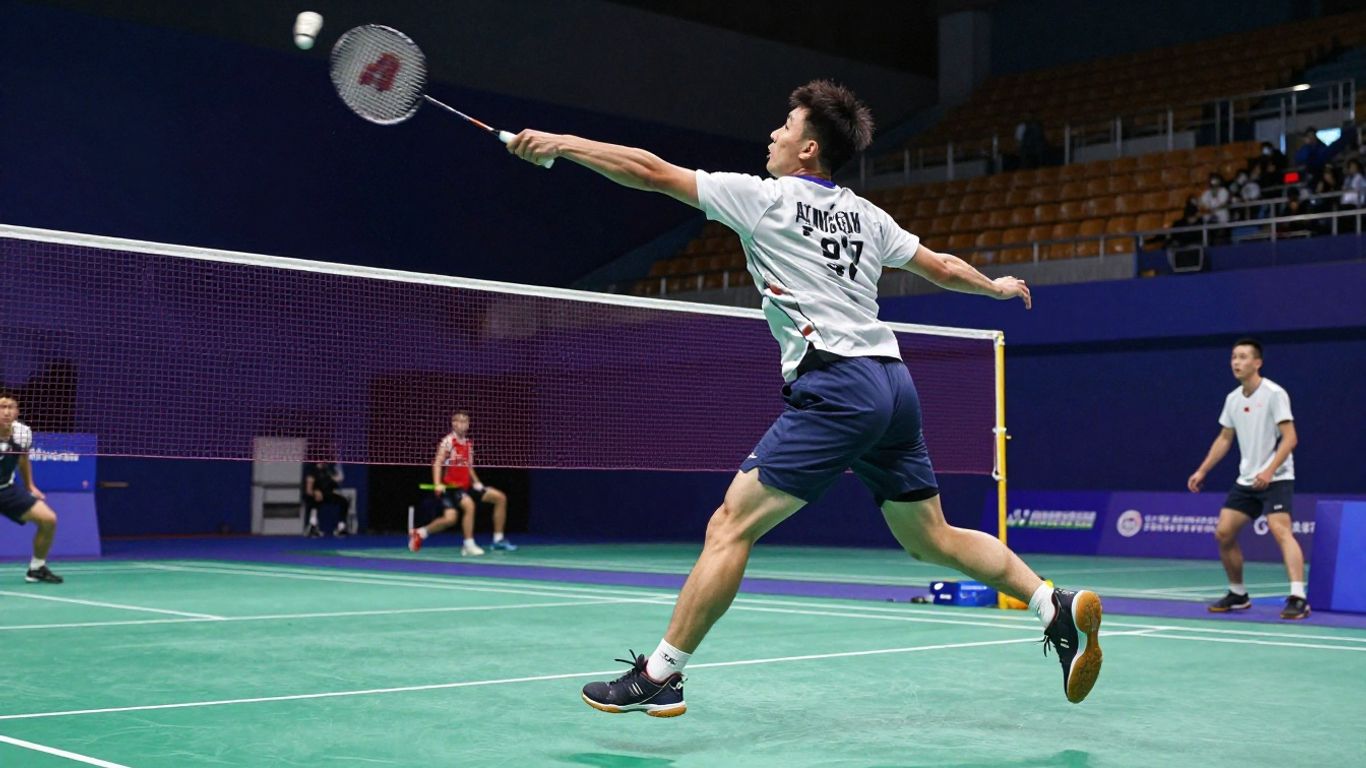
It feels like just yesterday, but it was actually back in 1992 when badminton officially stepped onto the grand Olympic stage. The Barcelona Summer Olympics marked the sport’s debut as a full-medal event. Before this, it had a brief stint as a demonstration sport in Munich back in 1972, but it wasn’t until Barcelona that it secured its permanent place in the Olympic program. This inclusion was a massive step, turning badminton from a well-loved sport into a global spectacle. It’s pretty wild to think about how far it’s come since then, right? The journey to becoming an Olympic sport was a long one, but totally worth it for the athletes and fans.
A Global Showcase Of Talent
Since its official Olympic debut, badminton has become a fantastic platform for athletes from all over the world to show what they’ve got. You see players from so many different countries competing, all aiming for that gold medal. It really puts the sport on the map, attracting a huge following and inspiring a new generation of players. The Olympics have definitely helped badminton reach more people and gain the recognition it deserves. It’s amazing to watch these incredibly skilled individuals push the limits of what’s possible in the game. The competition is always fierce, and it’s a true testament to the dedication and talent within the sport. You can find out more about the history of badminton and its journey to the Olympics here. It’s a fascinating story of how a game played for centuries finally got its moment in the global spotlight.
The Fastest Racket Sport
Shuttlecock Speeds Exceeding 400 KPH
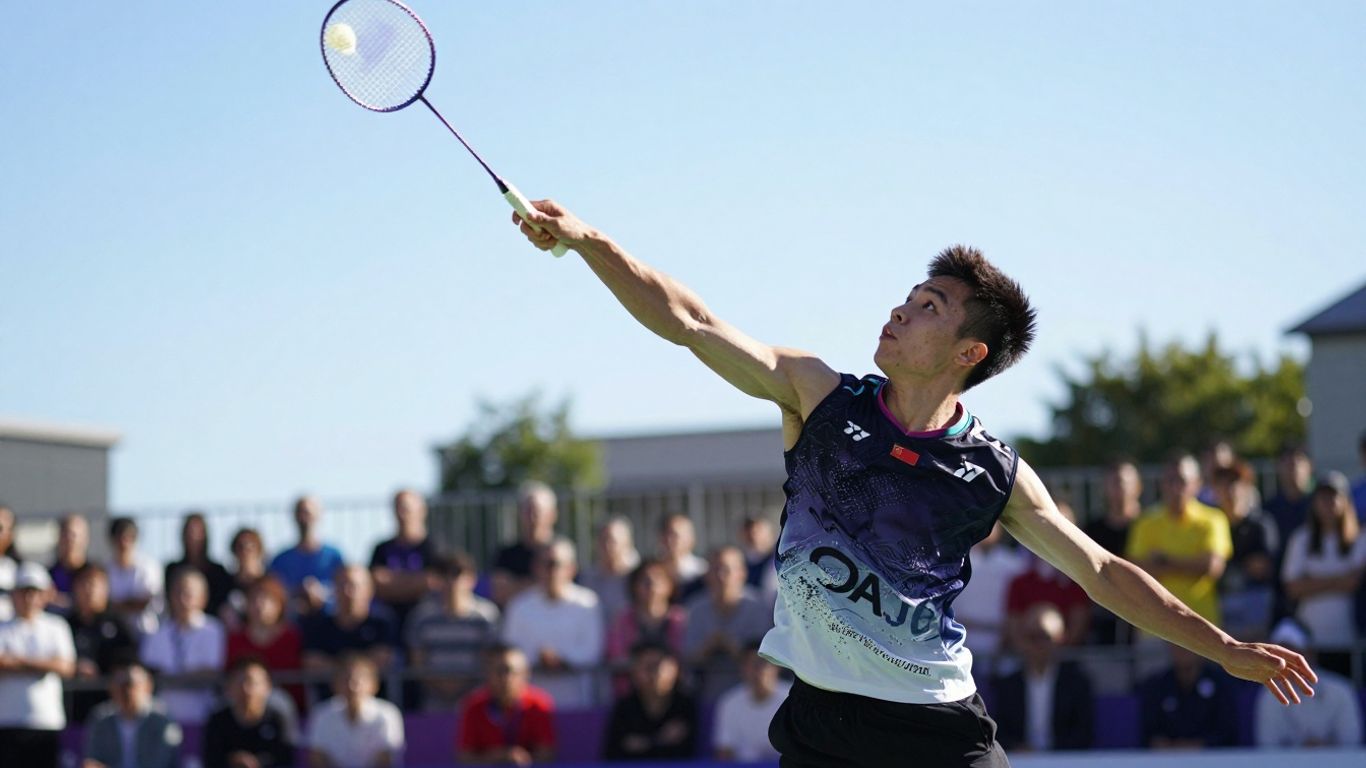
It’s pretty wild when you think about it, but badminton is officially the fastest racket sport out there. We’re not talking about just a little bit faster, either. The shuttlecock, that little feathered or synthetic projectile, can absolutely fly. We’re talking speeds that have been clocked at over 400 kilometers per hour. That’s faster than a lot of cars on the highway! It’s a combination of things, really – the lightweight design of the shuttle itself and the sheer power and technique of the players. It makes for some seriously exciting viewing, that’s for sure.
Demanding Reflexes and Agility
Because the shuttle moves so incredibly fast, players have to be on their toes constantly. You can’t really afford to be slow on the uptake. It demands lightning-fast reflexes and a level of agility that’s just astounding. Watching a match is like seeing a blur of motion, with players reacting to shots that seem to appear out of nowhere. It’s a true test of physical and mental quickness. You have to anticipate where the shuttle is going to be, and then move to intercept it, all in a split second. It’s a real workout for the brain and the body.
Continuous Improvement In Speed
And the speed isn’t just staying the same, either. It seems like every few years, we hear about a new record being set. Athletes are getting stronger, their techniques are getting sharper, and the equipment keeps getting better. It’s a constant push to be faster and more powerful. For instance, a smash by Tan Boon Heong once held the record at 493 km/h, and more recently, Satwiksairaj Rankireddy hit a smash of 565 km/h, showing just how much the sport is evolving. It’s fascinating to see how far the game has come and where it might go next. This ongoing evolution means that badminton gear is always being refined to help players achieve even greater speeds and control.
The sheer velocity of the shuttlecock is a defining characteristic of modern badminton, setting it apart from other racket sports and requiring an exceptional level of athleticism from its competitors.
Here’s a quick look at some recorded smash speeds:
| Player | Speed (km/h) | Year (Approx.) |
|---|---|---|
| Tan Boon Heong | 493 | 2013 |
| Mads Pieler Kolding | 521 | 2017 |
| Satwiksairaj Rankireddy | 565 | 2023 |
The Enduring Rally
So, there you have it. From ancient games played with simple paddles to the lightning-fast rallies we see on TV today, badminton has really come a long way. It’s pretty wild to think about how a game enjoyed by royalty in England and played by soldiers in India eventually became a global sport, even making its mark at the Olympics. The way the equipment has changed, getting lighter and faster, is pretty neat too. It just goes to show that sports evolve, and badminton is no exception. It’s a game with deep roots, and it’s exciting to see where it goes next. Who knows, maybe the next big innovation in badminton is just around the corner, waiting to be discovered.
Frequently Asked Questions
Where did badminton start?
Badminton’s story begins a very long time ago, over 2,000 years back! It started with a game called ‘battledore and shuttlecock’ in places like ancient Greece, China, and India. People would hit a shuttlecock back and forth using simple paddles. This old game eventually traveled to England, where it turned into the badminton we play today.
How did badminton get its name?
The modern game of badminton got its name from a place in England called Badminton House. Back in 1873, the Duke of Beaufort held a party there, and his guests played a version of battledore and shuttlecock. The game became so popular with the rich and famous that it was named after the estate.
When did badminton become an Olympic sport?
Badminton finally made its big debut as an official Olympic sport in 1992. This happened at the Summer Olympics held in Barcelona, Spain. Before that, it was shown as a special event in 1972, but it wasn’t until 1992 that it became a regular part of the Games.
Is badminton really the fastest racket sport?
Yes, it is! The shuttlecock in badminton can fly incredibly fast, reaching speeds over 400 kilometers per hour. This amazing speed is due to the shuttlecock’s design and the powerful hits from skilled players. It means players need super-quick reactions and great agility to keep up.
What’s the oldest badminton tournament?
The All-England Championships is one of the oldest and most respected badminton tournaments in the world. It started way back in 1899 and has been held almost every year since. This tournament has seen badminton change and grow over more than a century.
How have badminton rackets changed over time?
Badminton rackets have gone through a huge transformation! They started as simple wooden paddles in the ancient game. Over time, they became lighter and stronger with new materials like metal and eventually carbon fiber. Today’s rackets are super light, strong, and designed to give players the best mix of power and control.