
Ever wondered how fast that shuttlecock really flies? Badminton is known for its speed, and the fastest badminton smash is a sight to behold. It’s not just about hitting hard; there’s a whole science and technique behind it. We’re going to break down what makes a smash so powerful, look at some of the records, and see how players achieve that incredible velocity. Get ready to learn about the physics, the training, and the future of the fastest badminton smash.
Key Takeaways
- The fastest badminton smash involves a complex interplay of physics, player technique, and equipment. Speed is a defining characteristic of the sport.
- Elite players use precise footwork, grip, and body rotation to maximize the power and velocity of their smashes.
- Factors like racket technology, string tension, player conditioning, and perfect timing all contribute significantly to achieving a faster badminton smash.
- Advanced techniques like markerless motion capture are being used to analyze player movements and understand the mechanics behind high-speed smashes.
- Future developments in training technology and a deeper understanding of biomechanics will likely lead to even faster badminton smashes and new records.
Understanding The Fastest Badminton Smash
When we talk about badminton, one of the most exciting things to witness is a really fast smash. It’s not just about hitting the shuttlecock hard; it’s a combination of technique, power, and timing that makes it so impressive. The fastest badminton smashes can travel at speeds that are hard to even imagine.
Defining Badminton’s Speed
So, what exactly makes a smash fast? It’s all about how quickly the shuttlecock leaves the racket strings. This speed is measured in kilometers per hour (km/h) or miles per hour (mph). While casual players might hit smashes around 150-200 km/h, professional players are in a whole different league. We’re talking about speeds that can exceed 300 km/h, and in some record-breaking instances, even higher. It’s this sheer velocity that makes the shuttlecock incredibly difficult to return.
The Physics Behind A Powerful Smash
Generating that kind of speed isn’t magic; it’s physics in action. Several factors come into play. The player’s body rotation is a huge part of it. Think of it like cracking a whip – the energy builds up and is released at the point of impact. The angle of the racket face at the moment of contact is also super important. A slight change can send the shuttlecock in a different direction or affect its speed. The movement of the shoulder joint is a major contributor to the smash’s power, and controlling the elbow’s speed is key to avoiding a drop in velocity [8d5e].
Historical Speed Records
Badminton has seen some incredible speed records over the years. While official records can be tricky to pin down definitively, there have been widely reported instances of smashes reaching astonishing speeds. For example, Tan Boon Heong once recorded a smash at 493 km/h, a feat that still amazes many [9ed1]. These records aren’t just numbers; they represent the peak of human athletic capability and the evolution of the sport. It shows how players have pushed the boundaries of what’s possible on the court.
The pursuit of speed in a badminton smash involves a complex interplay of biomechanics and equipment. It’s a testament to how athletes train their bodies to generate maximum force and how technology in rackets has evolved to facilitate these incredible feats.
Elite Player Techniques For Maximum Velocity
So, how do the pros get that shuttlecock to fly like a rocket? It’s not just about swinging hard; it’s a whole symphony of coordinated movements. Let’s break down what makes their smashes so devastating.
The Role Of Footwork In Smash Power
Good footwork is the foundation for a powerful smash. You can’t generate maximum force if you’re off-balance or too far from the shuttle. Elite players use precise footwork to get into the optimal hitting position, allowing them to transfer their body’s weight effectively into the shot. This often involves quick, controlled steps to get behind the shuttle and set up the body for rotation.
- Setting up the shot: Players need to position themselves correctly relative to the shuttlecock. This means moving quickly and efficiently to get into the ideal hitting zone.
- Weight transfer: Proper foot placement allows for a smooth transfer of weight from the back foot to the front foot during the swing, adding significant power.
- Balance: Maintaining balance throughout the motion is key. A stable base allows for a more powerful and controlled swing.
Grip And Racket Angle Mastery
The way you hold the racket and the angle at which you meet the shuttle are also super important. Most players use a forehand grip, but the subtle adjustments in how they hold it and the angle of the racket face at impact make a huge difference. A slightly open racket face at the point of contact can help direct the shuttle downwards with more pace. It’s all about that snap at the end of the swing.
Generating Power Through Body Rotation
This is where a lot of the magic happens. It’s not just an arm swing; it’s a full-body effort. Players rotate their torso and hips powerfully, using their core muscles to drive the racket forward. Think of it like cracking a whip – the energy starts from the ground, moves up through the legs and core, and culminates in a fast racket head speed. This coordinated rotation is what allows them to hit with such incredible velocity, often exceeding speeds seen in other racket sports [3d92].
The kinetic chain is vital here. Energy flows from the legs, through the hips and torso, into the shoulder and arm, and finally to the racket head. Each link in this chain must work in harmony for peak smash speed.
Here’s a simplified look at the sequence:
- Preparation: Feet are set, body is coiled.
- Rotation: Hips and torso begin to turn.
- Arm Swing: Arm follows through with racket head speed.
- Impact: Shuttlecock is struck at the highest point possible.
- Follow-through: Body continues rotation to maintain balance and control.
Factors Contributing To Smash Speed
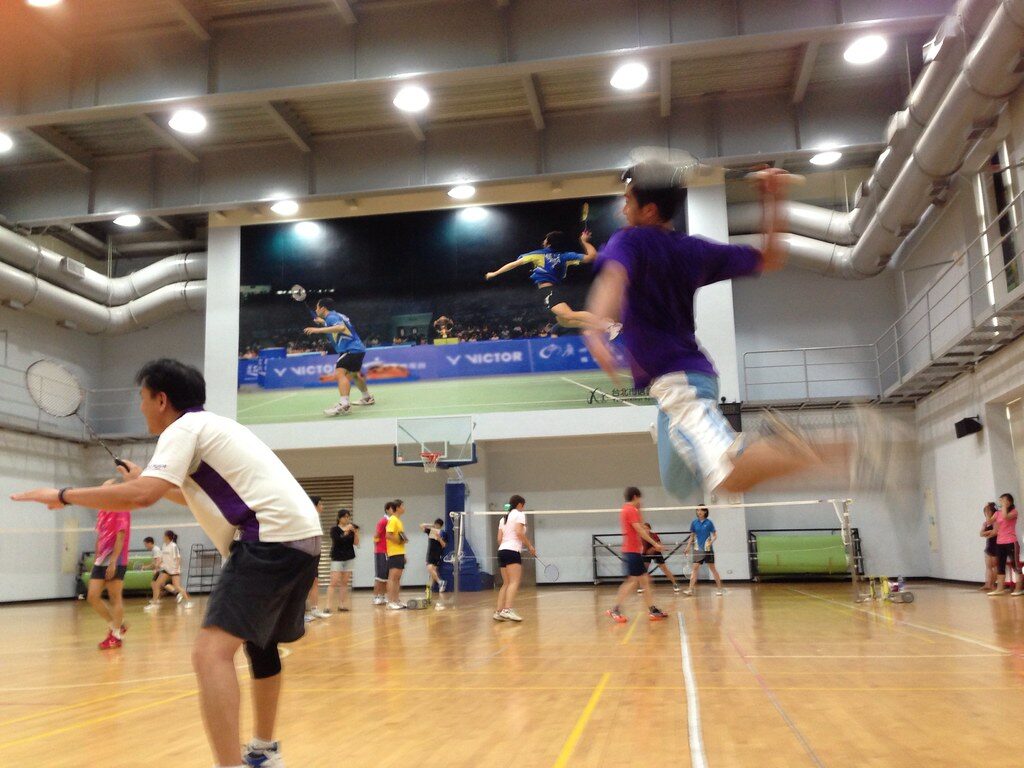
So, what actually makes a badminton smash go super fast? It’s not just one thing, you know. It’s a mix of stuff, from the gear you’re using to how strong you are and, of course, hitting the shuttle at just the right moment.
Racket Technology And String Tension
The racket itself plays a big part. Newer rackets are often lighter and designed to transfer more energy to the shuttle. Think of it like a well-tuned sports car – it’s built for speed. Then there’s string tension. Tighter strings can give you more control and a bit more pop, but too tight and you might lose some power. It’s a balancing act. Finding that sweet spot is key for maximum velocity. Some players even experiment with different string types to see what feels best for their game. It’s all about getting that perfect connection between player and equipment.
Player Strength And Conditioning
Obviously, you need to be strong to hit hard. This isn’t just about big muscles, though. It’s about having explosive power, especially in your legs, core, and shoulder. Think about how much force is generated from the ground up. Conditioning programs focus on building this kind of power, not just endurance. They help players develop the ability to accelerate quickly and generate a lot of force in a short amount of time. This is why you see top players doing all sorts of training, not just playing badminton. It’s about building a body that can handle the demands of a powerful smash. The shoulder muscles, for instance, are really important for that overhead motion [836d].
The Importance Of Timing And Precision
Even with the best racket and all the strength in the world, if your timing is off, your smash won’t be as fast as it could be. You need to hit the shuttle at the highest point possible, right when your racket is moving at its fastest. This requires incredible hand-eye coordination and practice. It’s about anticipating the shuttle’s flight and positioning yourself perfectly. A fraction of a second too early or too late, and you lose a lot of that potential speed. This precision is what separates a good smash from a truly record-breaking one. The shuttlecock velocity during a smash is directly influenced by factors like impact force and launching angle [bd5a].
Hitting the shuttle at the right moment, with the right technique, and with the right equipment all come together to create that lightning-fast smash. It’s a complex interplay of physics and athletic execution.
Analyzing Smash Speed In Professional Play
Watching the pros is one thing, but how do we actually know how fast their smashes are? It’s not just about guessing anymore. Scientists and analysts are using some pretty cool tech to break down every bit of movement and speed on the court. This helps us understand what makes the best players so effective.
Markerless Motion Capture For Analysis
Forget those dots you see on athletes in movies. Markerless motion capture is a game-changer. It uses cameras and smart software to track a player’s movements without needing any special markers on their body or racket. This means we can get really accurate data on things like how fast a player moves their feet, how they rotate their body, and even the angle of their racket during a smash. It’s like having a super-detailed replay of every single action. This tech can even measure the speed of your badminton smashes with impressive accuracy, giving you concrete numbers to work with.
Footwork Characteristics Of Top Players
When you watch top players, their footwork looks effortless, right? But there’s a lot going on. Studies show that elite players don’t just move fast; they move smart. They tend to keep their movement speed pretty consistent, even in long rallies. This shows they have great control over their acceleration and deceleration, meaning they’re not wasting energy. They also seem to cover less ground overall as a match goes on, suggesting they’re predicting where the shuttle will go and moving efficiently. High school players, on the other hand, might move faster sometimes but often lack that consistent control or might move more than they need to.
Here’s a quick look at what separates elite footwork:
- Controlled Speed: Top players manage their speed fluctuations better.
- Efficiency: They cover less distance, showing better court awareness.
- Consistency: Their movement speed stays more stable throughout a rally.
- Adaptability: They adjust their speed based on the game situation.
Speed Variability Throughout A Rally
It’s not just about the peak speed of a smash, but how a player’s speed changes during a rally. Analyzing this gives us a fuller picture. For instance, the coefficient of variation (CV) helps show how stable a player’s speed control is. Top athletes usually keep their CV steady, meaning they’re in control. Some less experienced players might show big swings in their CV, indicating they’re less stable in their movements. This kind of detailed analysis helps us see beyond just raw speed and understand the nuances of movement control that distinguish the best from the rest. It’s all about how consistently and effectively they manage their speed from start to finish.
Understanding the subtle differences in how players control their speed, not just how fast they can go, is key to appreciating the skill involved. It’s the difference between a quick burst and sustained, controlled power throughout the entire match.
Training For A Faster Badminton Smash
So, you want to hit harder, right? It’s not just about swinging your arm faster. A lot goes into making that shuttlecock fly like a rocket. We’re talking about drills, building strength, and getting your feet to move like lightning.
Drills To Enhance Smash Velocity
To really crank up your smash speed, you need to practice specific movements. It’s not just about hitting the shuttle; it’s about how you get there and how you position yourself. Think about drills that mimic the game’s demands.
- Shadow Footwork: Practice moving around the court as if you were hitting smashes, focusing on quick, explosive steps and proper landing. This helps build muscle memory for efficient movement.
- Multi-Shuttle Drills: Have a partner feed you shuttles repeatedly, forcing you to execute smashes in quick succession. This improves stamina and the ability to maintain power over time.
- Reaction Ball Drills: Use a reaction ball dropped from a height. Catching it requires quick reflexes and hand-eye coordination, which translates to faster racket head speed.
Developing Explosive Power
Power isn’t just brute strength; it’s about generating force quickly. This means working on your muscles’ ability to contract rapidly. Plyometrics, which involve jumping and bounding movements, are fantastic for this.
- Jump Squats: These build explosive power in your legs, which is key for generating upward momentum for jump smashes.
- Medicine Ball Throws: Overhead throws and rotational throws help develop the core and upper body power needed for a strong smash.
- Box Jumps: Jumping onto a raised platform trains your legs to produce maximum force in a short amount of time.
Improving Agility And Court Movement
Even the strongest smash is useless if you can’t get into the right position to hit it. Agility training is all about quick changes of direction and efficient movement across the court. Good footwork is the foundation for a powerful smash [314f].
- Ladder Drills: These exercises improve foot speed and coordination, helping you move faster and more precisely on the court.
- Cone Drills: Set up cones and practice sprinting, shuffling, and cutting between them. This sharpens your ability to change direction quickly.
- Court Sprints: Practice short, explosive sprints from one end of the court to the other, focusing on acceleration and deceleration.
Building a faster smash is a journey that combines specific training drills with a focus on explosive power and agile court movement. It’s about training your body to move efficiently and generate maximum force at the right moment. Don’t just practice hitting; practice moving, jumping, and reacting. That’s where the real speed comes from.
Remember, consistency is key. Doing these drills regularly will make a noticeable difference in your smash speed over time. It’s not about one magic trick, but a steady build-up of physical capabilities and refined technique.
The Future Of Badminton Smash Speed
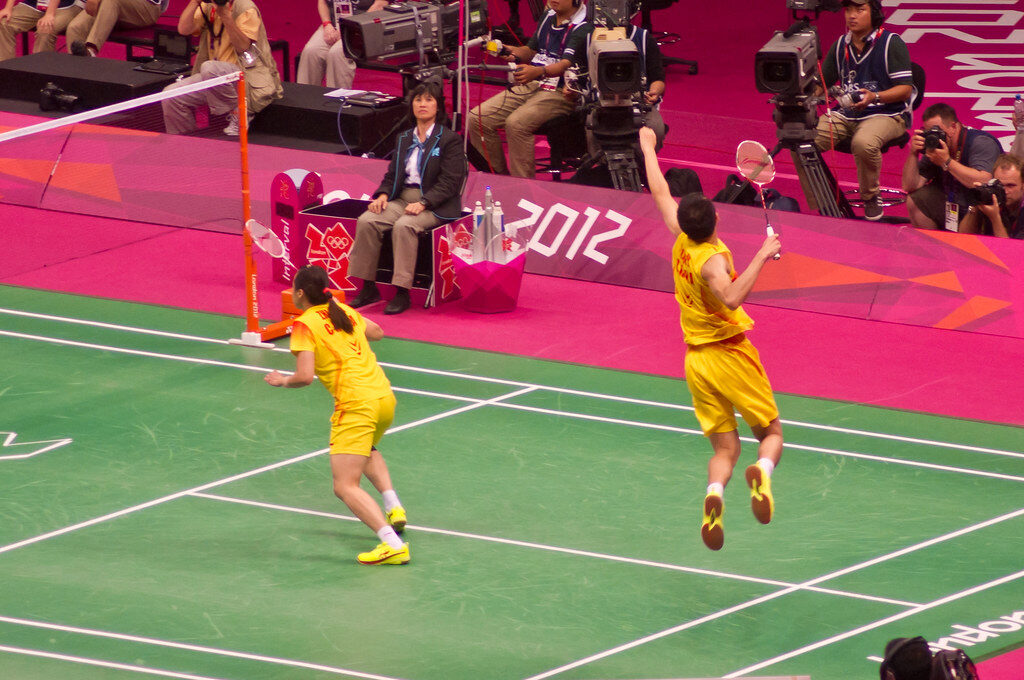
So, what’s next for the badminton smash? It’s pretty wild to think about how fast things are already moving, but the game keeps evolving. We’re seeing new tech pop up all the time, and players are getting stronger and smarter about how they train. It feels like we’re on the edge of some really cool developments.
Technological Advancements In Training
Technology is really starting to play a bigger role. Think about how we can analyze a player’s swing now. Tools that use markerless motion capture are becoming more common, letting coaches see exactly what’s happening with a player’s body and racket during a smash. This kind of detailed feedback helps pinpoint small adjustments that can make a big difference in speed. We’re also seeing more sophisticated ways to track the shuttlecock itself, giving us precise data on its trajectory and speed right off the racket. This information is gold for understanding what makes a smash truly explosive. Some systems are even using AI to help process all this data, like the DeepSmash framework, to give players personalized training advice.
Emerging Talent And Future Records
Every year, new players come onto the scene, and they’re often bringing a higher level of athleticism and skill. Younger generations are growing up with better training methods and access to information. It’s not just about raw power anymore; it’s about how players combine that power with technique and smart play. We’ll likely see more players pushing the boundaries of what we thought was possible for smash speed. It’s exciting to imagine who might be the next record-breaker.
The Evolving Science Of Badminton Performance
Beyond just raw speed, the science behind badminton performance is getting deeper. Researchers are looking at everything from how players move on the court to the best ways to condition their bodies. For instance, understanding the nuances of footwork, not just how fast someone can run, but how they accelerate, decelerate, and change direction efficiently, is key. This is where advanced tracking, like using multiple high-speed cameras, becomes really useful for analyzing real game situations. It’s not just about hitting hard; it’s about hitting hard at the right moment, with the right technique, and being able to recover for the next shot.
The focus is shifting towards a more holistic view of performance. It’s about integrating physical conditioning, technical skill, and tactical awareness. This means training will become even more specific, aiming to replicate the demands of high-level competition.
Here’s a look at what might be prioritized in future training:
- Explosive Power Development: Drills focusing on quick bursts of energy, like plyometrics and resistance training.
- Agility and Reaction Time: Exercises that mimic the rapid changes in direction needed during a match.
- Technique Refinement: Using video analysis and biomechanics to perfect the smash motion.
- Mental Conditioning: Building focus and resilience to perform under pressure.
Wrapping Up the Speed
So, we’ve looked at some seriously fast badminton smashes and what goes into them. It’s not just about hitting hard, right? It’s a whole mix of quick feet, good balance, and knowing exactly when to swing. The science stuff shows that how players move around the court, especially how they speed up and slow down, really matters. It’s pretty wild to think about all the training that goes into making those smashes happen. It’s clear that speed is king in badminton, but it’s the smart movement and technique behind it that truly makes the difference.
Frequently Asked Questions
What makes a badminton smash so fast?
A super-fast badminton smash happens because players use their whole body, not just their arm. They swing their racket really hard and fast, using their legs, core, and shoulders to add power. Good timing and a strong grip on the racket help them hit the shuttlecock with maximum force, making it zoom across the court.
How fast can a badminton smash go?
The fastest badminton smashes can be incredibly quick! Some professional players have smashed the shuttlecock at speeds over 350 kilometers per hour (that’s about 217 miles per hour). It’s like a blur when it flies!
Why is footwork important for a powerful smash?
Great footwork is key because it helps players get into the perfect position to hit the shuttlecock. By moving quickly and precisely, they can get under the shuttle and hit it downwards with more power. Good footwork also helps them keep their balance, which is needed for a strong swing.
Does the type of racket affect smash speed?
Yes, the racket can make a difference! Lighter rackets that are stiff and have the strings pulled very tight can help players swing faster and transfer more energy to the shuttlecock. New racket technology is always being developed to help players hit harder.
How do players train to smash faster?
Players train a lot to get faster smashes. They do exercises to build strength, especially in their legs and core, for more power. They also practice specific drills to improve their swing speed, timing, and footwork. Agility training helps them move around the court quickly to get into the right hitting position.
Is there a difference in smash speed between male and female players?
Generally, male players tend to have faster smashes than female players. This is often due to differences in muscle mass and strength. However, many female players are incredibly powerful and fast, and the gap is closing with dedicated training and advancements in the sport.