
Picking the right badminton shuttlecock and racket can feel like a puzzle sometimes. There are so many options out there, and what works for one person might not be the best for another. Whether you’re just starting out or you’ve been playing for a while, getting your gear sorted can really make a difference in how much you enjoy the game and how well you play. Let’s break down what to look for in both your shuttlecock and your racket so you can make a choice that fits your game.
Key Takeaways
-
Feather shuttlecocks are best for serious play and offer great flight, while nylon ones are more durable and good for casual games. Hybrids try to offer a bit of both.
-
Shuttlecock speed matters; slower ones are good for beginners or indoors, while faster ones suit experienced players or windy conditions. Always check the recommended speed for your environment.
-
Your racket choice should match how you play. Attacking players might like head-heavy rackets for power, defensive players might prefer head-light ones for speed, and all-rounders can go for balanced options.
-
Racket balance and shaft flexibility affect your game. A head-heavy racket gives power, a head-light one gives control, and shaft stiffness suits faster swing speeds. Test them out to see what feels right.
-
Don’t forget the racket’s grip size and string pattern, and ensure the shuttlecock’s weight and balance feel good in hand. Trying different combinations is the best way to find your perfect badminton shuttlecock and racket setup.
Understanding Badminton Shuttlecock Types
When you’re getting into badminton, one of the first things you’ll notice is that not all shuttlecocks are created equal. They might look similar from a distance, but up close, you’ll see there are distinct differences that really affect how the game plays. Choosing the right type is pretty important, whether you’re just hitting around with friends or getting serious about matches.
Feather Shuttlecock Features
These are the ones you see in professional tournaments. Feather shuttlecocks are made from real duck or goose feathers, usually around 16 to 17 of them, all arranged in a cone shape around a cork base. This design gives them the best flight stability and feel. Because they’re made of natural materials, they tend to be more sensitive to things like temperature and humidity. They also don’t last as long as other types; you might get maybe 10-15 hours of play before they start to lose their shape or get damaged. If you’re playing competitively or just want that authentic badminton experience, feather shuttles are the way to go. Brands like Yonex, RSL, and Li-Ning are known for making good quality ones.
Nylon/Plastic Shuttlecock Characteristics
Nylon or plastic shuttlecocks are the workhorses for casual players and beginners. They’re made from synthetic materials, which makes them way more affordable and a lot tougher than feather ones. You can expect them to last much longer, sometimes 20-25 hours of play. They’re also less bothered by weather conditions, making them a good choice if you ever play outside. The flight might not be as precise as a feather shuttlecock, but for learning the game or just having fun, they’re perfectly fine. They usually have a plastic skirt and a rubber or foam base. For beginners, a shuttlecock with a bit more weight and speed can be easier to control.
Hybrid Shuttlecock Balance
Hybrid shuttlecocks try to give you the best of both worlds. They typically have a cork or foam base, like feather shuttles, but with a synthetic skirt instead of all feathers. This combination aims for a good balance between the superior flight of feather shuttles and the durability of nylon ones. They offer a more consistent flight than pure plastic shuttles and hold up better than feather ones. If you’re somewhere in the middle – not a total beginner but not a pro either – a hybrid shuttlecock might be your sweet spot. They provide a decent feel and are more forgiving than feather shuttles when it comes to wear and tear. You can find a good selection of these from major brands, offering a versatile option for various playing levels. Choosing the right shuttlecock can really make a difference in your game.
Selecting The Right Badminton Shuttlecock Weight And Speed
Picking the right shuttlecock isn’t just about grabbing any old birdie; it’s about finding one that works with your game and the conditions you’re playing in. Two big factors here are the shuttlecock’s weight and its speed. These aren’t random numbers; they’re designed to affect how the shuttle flies and how you can hit it.
Shuttlecock Weight Considerations
Shuttlecocks typically weigh between 4.75 and 5.50 grams. While this might seem like a small range, it makes a difference. Lighter shuttlecocks are generally easier to hit and control, which is great if you’re just starting out or if you prefer a faster, more agile game. Heavier shuttlecocks, on the other hand, offer more stability and can feel more solid when you hit them, potentially giving you more power. Your personal preference and playing style really dictate what feels best. Some players like a lighter shuttle for quick clears, while others prefer a bit more heft for powerful smashes.
Determining Optimal Shuttlecock Speed
Shuttlecock speed is usually rated on a scale, often from 75 to 79. A lower number means a slower shuttle, and a higher number means a faster one. This speed rating is directly tied to how far the shuttle will travel. Slower shuttles drop more quickly and don’t go as far, which can be good for indoor play where space is limited or if you want to keep rallies shorter. Faster shuttles travel further and stay in the air longer, which might be better for outdoor play or if you like to play from the back of the court. It’s a bit of a balancing act.
Here’s a general idea of how speed, temperature, and altitude can interact:
|
Shuttle Speed |
Altitude |
Temperature |
|---|---|---|
|
75 (Slow) |
Above Sea Level |
Extreme Hot (30°C+) |
|
76 (Quite Slow) |
Sea Level |
Hot (25-30°C) |
|
77 (Average) |
Sea Level |
Normal (15-25°C) |
|
78 (Quite Fast) |
Below Sea Level |
Cold (0-15°C) |
|
79 (Fast) |
Below Sea Level |
Very Cold (<0°C) |
Impact Of Environment On Shuttlecock Flight
Don’t forget about where you’re playing! Temperature and altitude play a surprisingly big role in how a shuttlecock performs. In warmer temperatures or at lower altitudes, the air is less dense, and shuttles tend to fly faster and further. Conversely, in colder temperatures or at higher altitudes, the air is denser, making shuttles fly slower and drop more quickly. This is why you might notice a shuttle behaving differently on a hot summer day compared to a chilly winter evening. It’s a good idea to have a few different speed ratings on hand if you play in varied conditions. You might also want to look into ways to prepare your feather shuttlecocks to help them last longer, no matter the weather.
Choosing the right shuttlecock speed is about finding that sweet spot where the shuttle’s flight matches your intended shots and the court dimensions. It’s not just about hitting hard; it’s about hitting smart, and the shuttle speed is a big part of that equation. A shuttle that travels too far or drops too soon can really mess with your game plan.
Choosing A Badminton Racket Based On Playing Style
Most of us don’t realize it at first, but your style of play shapes which badminton racket actually works for you. It’s not just about price or the latest colors – it’s about how the racket feels in your hand when you’re trying to pull off your trademark shots. Let’s break it down by the main styles and what suits them best.
Rackets For Attacking Players
-
If you prefer to play aggressively, smashing and driving the shuttle whenever possible, you need a racket that gives you extra punch.
-
Pick a head-heavy racket. The extra weight at the top helps add force to your shots.
-
A stiffer shaft works better if you can swing hard and want the shuttle to react instantly.
-
Slightly heavier models (usually 3U or 4U) provide stability during big smashes.
Quick Table: Attacking Racket Recommendations
|
Feature |
Preferred Option |
|---|---|
|
Balance |
Head-heavy |
|
Shaft Flex |
Stiff |
|
Weight |
3U (85-89g) / 4U (80-84g) |
Rackets For Defensive Players
-
If your game is about control, quick drives, and reacting fast at the net, then a lighter, head-light racket is your best bet.
-
Being able to swing fast means you can return shots quicker and keep up during fast rallies.
-
More flexible shafts help absorb impact, letting you recover and redirect the shuttle more easily.
-
Lighter rackets are generally practical for players focused on placement rather than power.
List for Defensive Players:
-
Head-light balance for faster swings
-
Flexible to medium-flex shaft for easier clears
-
Lighter weight (4U or 5U) for improved speed at the net
Rackets For All-Rounders
Some of us don’t fit neatly into attack or defense. Maybe you switch tactics based on your opponent, or you’re still figuring out what style suits you.
-
Even-balance rackets offer a mix of everything: reasonable power but not at the expense of speed.
-
A medium-flex shaft gives you some power, but still stays comfortable for quick shots.
-
These rackets are especially good for club players and anyone who values adaptability over specialization.
When you’re not sure which category you fall into, start with an even-balanced racket. It’s tough to go wrong, and you’ll figure out your real style as you play more.
If you want to see your options side-by-side, you could try a racket comparison tool that shows features for each major style.
Even if you’re a beginner, choosing a racket with the right balance can make the game feel more intuitive. Play around with different rackets, get feedback from teammates, and don’t be afraid to adjust as your own strengths show up on court.
Badminton Racket Balance And Shaft Flexibility
Choosing the right racket isn’t just about picking your favorite color or brand. Racket balance and shaft flexibility both have a quiet, steady impact on how you play and how your arm feels after a tough match. Let’s break down what each factor means, how to read those mysterious specs, and which direction you might go based on the way you play.
Understanding Racket Balance Points
The balance point of a badminton racket is where the weight sits along its length:
-
Head-Heavy: The bulk of the weight is concentrated closer to the head. These rackets give you punch in your smashes and long clears. Single players and those who love aggressive rallies usually reach for these. Downside? They can start to feel a bit sluggish up at the net, especially in doubles.
-
Even-balanced: As the name suggests, the weight is more or less centered. You’ll get a taste of both control and power – not extreme in either direction. If you play both singles and doubles, or your game style shifts throughout a match, this is a reliable, adaptable choice.
-
Head-Light: More of the mass is toward the handle. Reactions at the net are quicker and easier, so these are popular among doubles specialists and defensive players. The trade-off is less raw power; you may have to put in extra effort during longer rallies or deep clears.
|
Balance Type |
Typical Users |
Power |
Maneuverability |
|---|---|---|---|
|
Head-Heavy |
Aggressive, singles, smashers |
High |
Low |
|
Even-balanced |
Versatile, mixed play styles |
Med |
Med |
|
Head-Light |
Doubles, defensive, net play |
Low |
High |
If you aren’t sure what balance works for you, check out tips for sizing up a new badminton racket.
Selecting Appropriate Shaft Flexibility
People don’t talk about shaft flexibility as much, but it quietly affects every shot you make. Here’s how it shakes out:
-
Flexible Shaft: Easier on your arm, especially if your swing isn’t lightning-fast. You’ll get a healthy repulsion effect, which adds power without a ton of effort. If you’re just starting out, a super stiff racket will feel like a plank; flexible shafts offer a gentler learning curve. The drawback is you lose some control and fast response compared to stiff options.
-
Medium Shaft: This is the goldilocks zone for most intermediate players. It’ll give you some flex and some control, letting you grow your skill without being too punishing if you aren’t perfect on every swing.
-
Stiff Shaft: Reserved for strong or advanced players with fast, confident swings. You’ll gain tons of precision and quick response, but it’s also less forgiving—mess up your timing and you’ll feel it. Sometimes, pairing a stiff shaft with a head-heavy racket can result in really sharp power, but it comes with a steep learning curve. If you have the technique and upper body strength, it’s rewarding.
|
Shaft Type |
Best For |
Power Boost |
Control |
|---|---|---|---|
|
Flexible |
Beginners, slower swings |
High |
Low |
|
Medium |
Most club/intermediates |
Med |
Med |
|
Stiff |
Advanced, fast swings |
Low |
High |
A helpful way to remember: if your smash sounds like a soft thwack instead of a crack, you might want a more flexible shaft. If your swing whips through the air, stiffer is worth a try. For deeper background, take a look at how shaft stiffness and balance interact.
How Balance Affects Your Game
So what does all this mean in a real match? Here are a few quick pointers:
-
Head-heavy rackets can tire out your wrist and arm faster, especially if you lean into every smash. If you play mostly doubles defense, that extra heft might really slow you down.
-
Head-light rackets let you respond super fast, great for quick interceptions, but you’ll have to build more power yourself.
-
Even balance rackets give you flexibility without making you commit to one style all the time.
-
Using a racket with the wrong shaft flex can make your shots feel dead, inconsistent, or just plain awkward.
Badminton gear isn’t one-size-fits-all — sometimes, the best way to figure out your ideal combination is to experiment during practice, even if it means borrowing rackets from friends or teammates and just taking a few rallies to see what sticks.
Ultimately, the balance and shaft flexibility of a badminton racket quietly shape your comfort, reaction speed, and confidence on the court. Pay attention to how the racket feels in your hand and during different shots, and pick one that matches your skill and how you like to play.
Key Racket Features For Enhanced Performance
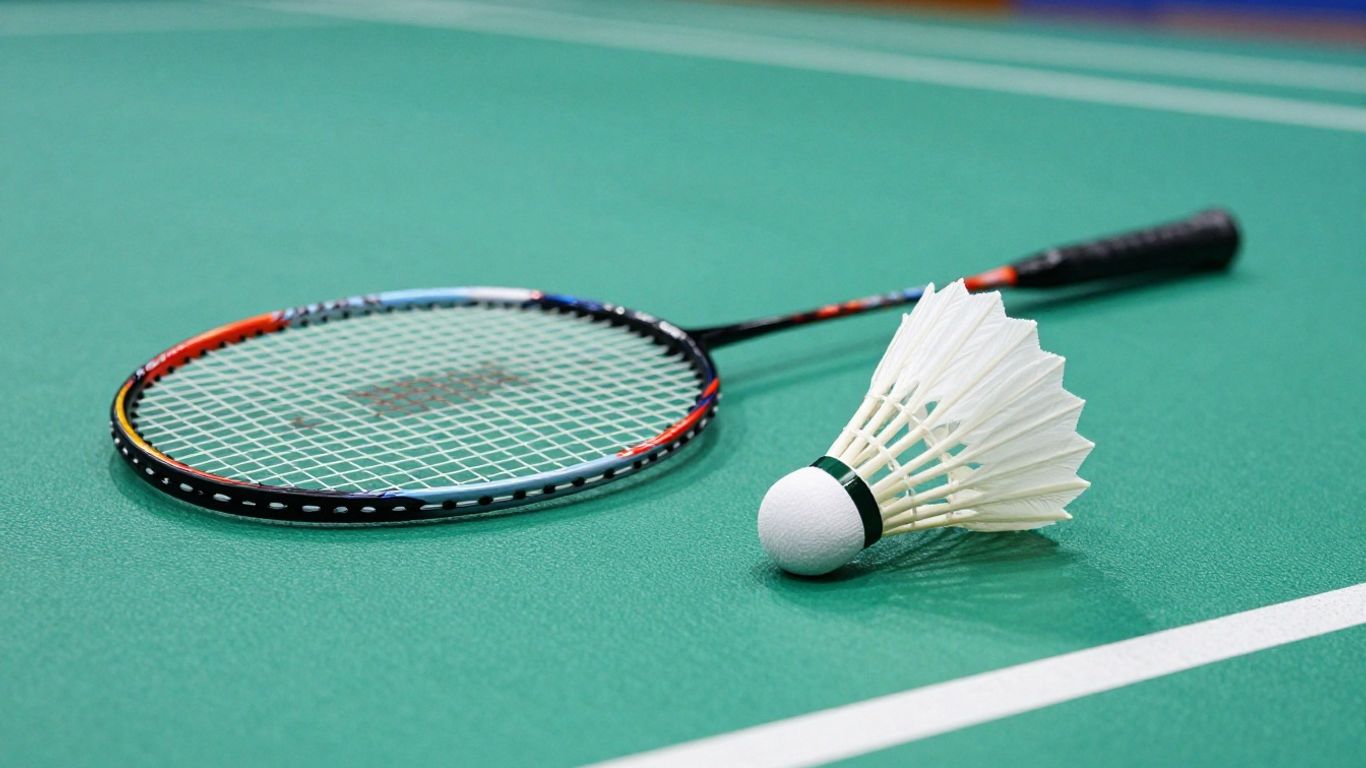
So, you’ve got a handle on shuttlecock types and racket balance, but what else makes a racket feel right in your hand? It’s the little things, really. We’re talking about grip size, string patterns, and just how tough the thing is. These details can make a surprising difference in how you play, whether you’re smashing winners or just trying to keep the shuttle in play.
Grip Size For Comfort And Control
The grip is where you connect with the racket, so it needs to feel good. Too small, and you might feel like you’re going to lose it on a big swing. Too big, and your hand cramps up, making quick adjustments a pain. Most rackets come with a standard grip size, but you can always adjust it. Adding an overgrip is a popular way to thicken it up a bit and add some tackiness for better hold. It’s a pretty cheap way to make a big difference in comfort.
-
Standard Grip Sizes: Usually range from G1 (smallest) to G5 (largest) in Asia, or G0 (smallest) to G6 (largest) in Europe. Check the manufacturer’s sizing chart.
-
Overgrips: Thin, absorbent wraps that go over the base grip. They add thickness and improve sweat management.
-
Base Grips: The original grip on the handle. Can be replaced if worn out or if you want a different feel.
String Patterns For Power And Spin
String patterns might sound complicated, but they basically affect how the strings interact with the shuttlecock. A denser pattern (more strings close together) generally gives you more control and durability. A more open pattern (fewer strings spaced further apart) can give you more power and spin, as the strings can ‘bite’ into the shuttle more. For most players, a standard 20×21 or 22×23 pattern is a good starting point. If you’re looking for that extra bit of spin on your drops or clears, you might explore rackets with slightly more open patterns, but remember, this can sometimes mean strings break more easily. Finding the right string tension is also key here.
Racket Durability Considerations
Let’s be honest, badminton can be a bit rough on equipment. Rackets can clash during doubles play, or just take a beating from enthusiastic shots. While high-end rackets often use advanced materials to be both light and strong, sometimes the super-thin frames on these can be less forgiving if they hit something. A slightly thicker frame, especially on a mid-range racket, might actually survive more accidental bumps and scrapes. It’s a trade-off between the absolute lightest feel and the ability to withstand a bit of roughhousing. For social players or those just starting out, prioritizing a racket that can take a few knocks without falling apart is a smart move.
When you’re looking at rackets, don’t just go for the flashiest or the most expensive. Think about how you actually play and what will feel comfortable and last. Sometimes a solid, mid-range option is way better than a top-tier racket that doesn’t suit you.
Ultimately, the best racket for you is one that feels good, performs well for your style, and doesn’t break the bank. Trying out different options, if possible, is always the best way to go. You might be surprised at what feels best. Remember, a good racket balance is important, but so are these other features.
Finding The Perfect Badminton Shuttlecock And Racket Match
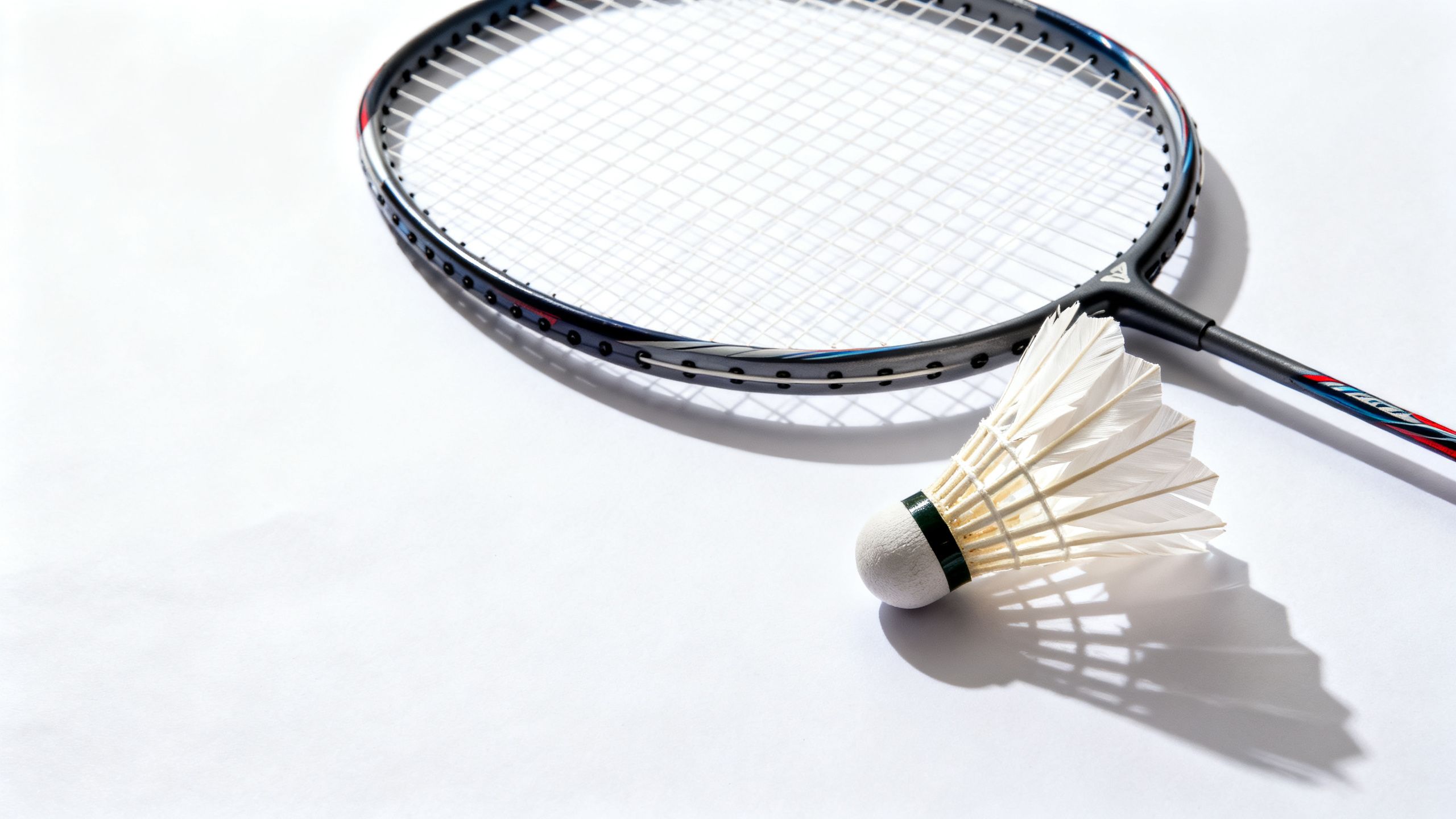
Getting the right combo for your racket and shuttlecock is more than just grabbing what looks good at the shop. It’s about the feel, weight, balance, and how these two pieces of gear interact when you get on court. Even small changes can mess with how well you play, so it’s worth paying attention to the details.
Considering Racket And Shuttlecock Weight Together
The weight of both racket and shuttlecock plays a big role in how your shots feel during a match. Pairing the right weights can make your swing smoother and your control sharper. Here’s what to keep in mind:
-
Lighter rackets (often 4U or 5U) paired with lighter shuttlecocks work well for quick nets and fast rallies, which is great for players who rely on speed and reflexes.
-
Heavier rackets (2U or 3U) combined with heavier shuttlecocks are better for those who prefer more powerful smashes and stability.
-
If you’re somewhere in between, a mid-weight racket with a standard shuttlecock is a balanced choice.
|
Racket Weight |
Typical Use |
Recommended Shuttlecock Weight |
|---|---|---|
|
2U (90-94g) |
Power play |
5.0-5.5g |
|
3U (85-89g) |
Mixed |
4.8-5.2g |
|
4U (80-84g) |
Speed |
4.7-5.0g |
When testing gear, notice if your arm tires quickly or if your shots lack punch. It often means your weights are mismatched.
Matching Racket Balance With Shuttlecock Flight
The balance of your racket changes the way it meets the shuttlecock during shots. Rackets come in head-heavy, even-balance, and head-light types—each interacting differently with shuttlecock flight.
-
Head-heavy rackets push through the shuttle well, adding force to every attack and helping heavier shuttlecocks travel faster.
-
Head-light rackets are easier to maneuver, keeping up with lighter, faster shuttlecocks in quick exchanges.
-
Even-balance rackets offer a nice middle ground if you want consistency across all strokes.
Choosing a racket and shuttlecock based on your style helps each shot feel natural and controlled. For more detail on how to find your ideal racket, check out these key points on badminton racket balance and weight categories.
Testing Different Badminton Gear Combinations
Here’s the reality: what works for someone else might not work for you. Testing is key. Don’t feel awkward about trying out several gear combinations before you settle.
To find your best match:
-
Try rackets and shuttlecocks in different weight categories during practice sessions.
-
Notice your comfort when playing—awkward balance might mean you need a different combination.
-
Get feedback from other players if possible, especially if they have similar playing styles.
-
Pay attention to fatigue after a session, as too much arm strain can signal a mismatch.
-
Ask about shuttlecock types available at your local club, since feather and nylon models behave differently.
-
Don’t ignore racket grip and string tension, which round out the feel of your setup.
It’s completely normal to go through a few combinations before finding the gear that clicks. Once you do, your confidence and game will both take off.
Pairing your racket and shuttlecock isn’t just for the pros—even everyday players can benefit from taking some time to experiment with combinations. For another angle, you might want to see why feather shuttlecocks are favored for stability and competition in professional badminton gear.
Wrapping It Up
So, picking the right badminton gear isn’t just about grabbing whatever looks cool. It really comes down to figuring out what works best for you. Think about how you play – are you all about power smashes or quick defense? That’ll steer you toward different rackets and shuttlecocks. Don’t forget to consider how heavy things feel in your hand; a racket that feels right makes a huge difference. And hey, don’t be afraid to try a few different options before you commit. What feels good to your friend might not feel good to you. Ultimately, the best racket and shuttlecock are the ones that make your game feel smoother and more enjoyable on the court. Happy playing!
Frequently Asked Questions
What is the difference between feather and nylon badminton shuttlecocks?
Feather shuttlecocks are made from real bird feathers and are often used in professional games because they fly smoothly and respond well to fast hits. Nylon or plastic shuttlecocks are made from synthetic materials, last longer, and are better for beginners or casual play because they don’t break as easily.
How do I choose the right weight for my badminton racket?
Pick a lighter racket if you’re new to badminton or if you like to move quickly. Heavier rackets are better for strong players who want more power in their shots. Try holding different rackets to see which feels best and is comfortable in your hand.
Does the speed of a shuttlecock matter?
Yes, it does! Shuttlecocks come in different speeds, usually marked by numbers. Slower shuttlecocks don’t travel as far and are better for beginners or indoor play. Faster shuttlecocks are good for advanced players or playing in cold places where the air is heavier.
How do I pick a badminton racket based on my playing style?
If you like smashing and playing aggressively, choose a racket that’s heavier at the top (head-heavy). If you like to defend and move fast, use a head-light racket. For a mix of both, go for an even-balanced racket.
What grip size should I use for my badminton racket?
Your grip size should fit your hand so you can hold the racket comfortably. If your fingers overlap, the grip is too small. If there’s a big gap between your fingers and palm, it’s too big. Try different sizes to find what feels right.
Can I use the same shuttlecock and racket for all types of games?
Not always. Different shuttlecocks and rackets work better in different situations. For example, using a feather shuttlecock outdoors can make it wear out quickly, and a heavy racket might be tiring for long matches. It’s best to try different combinations to see what works best for you.