
So, you’re looking to get better at badminton, huh? It’s a fun sport, but like anything, there’s more to it than just running around and hitting the shuttlecock. One thing that often gets overlooked, especially when you’re just starting out, is how you hold the racket. Your grip for badminton might seem minor, but it actually makes a pretty big difference in how well you play, how hard you can hit, and even if you end up hurting yourself. Let’s dive into why your grip matters and how to get it right.
Key Takeaways
- The way you hold your racket, your grip for badminton, is super important for hitting accurately and powerfully, and it helps prevent injuries.
- Mastering the basic forehand and backhand grips is the first step to playing better badminton.
- Specific grips like the hammer grip for smashes and the panhandle grip for net play can really boost your offensive game.
- Watch out for common mistakes like gripping too tightly or placing your fingers wrong, as these can hurt your game and your body.
- Practicing grip changes, keeping your grip relaxed until impact, and using fresh grips or grip aids can help you play smoother and with more control.
Understanding The Importance Of A Badminton Grip
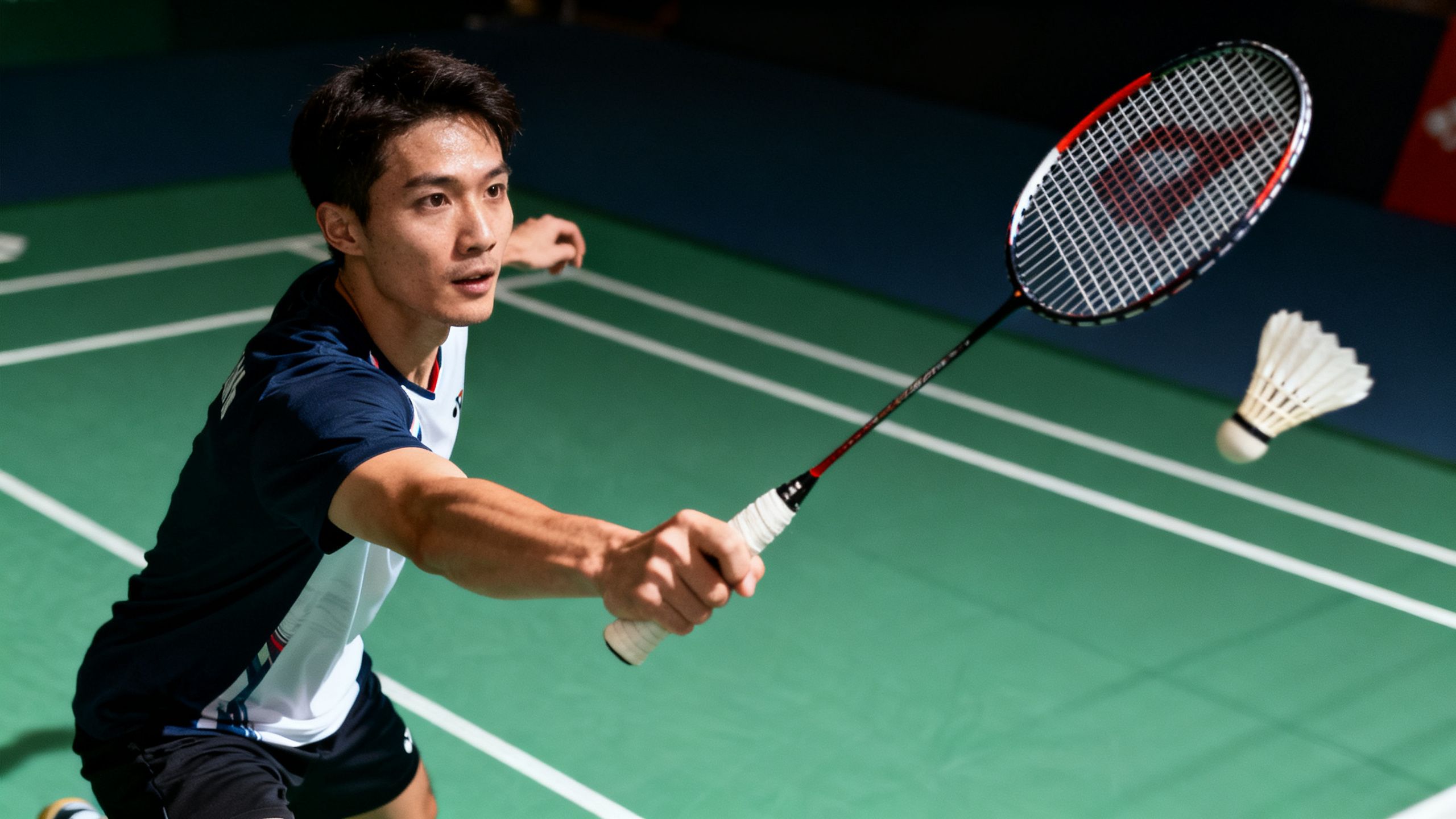
Alright, let’s talk about the grip. It might seem like a small detail, maybe even something you don’t think about much when you’re just starting out. But honestly, how you hold that racket is a pretty big deal in badminton. It’s like the handshake between you and your equipment, and it affects pretty much everything you do on the court.
The Connection Between Hand And Racket
Think of your grip as the direct line of communication to your racket. It’s how you tell it what to do, whether you want a gentle drop shot or a powerful smash. A good grip means you can feel what the racket is doing, which helps you control it better. It’s the foundation for all your shots. Without a solid connection, you’re basically playing with one hand tied behind your back, even if you don’t realize it yet. Getting this right is the first step to playing better badminton proper badminton grip technique is essential for performance, comfort, and injury prevention.
Enhancing Shot Accuracy And Power
So, why does holding it right matter so much for your shots? Well, a proper grip lets your wrist and fingers do their job. Instead of just swinging your whole arm, you can use your wrist for snap and power, and your fingers for finesse and control. This means your clears can go further, your smashes can hit harder, and your net shots can be more precise. It’s not just about brute force; it’s about using your body efficiently. A relaxed grip allows for quicker adjustments, too, so you’re not caught off guard.
Injury Prevention Through Proper Technique
This is a big one, especially if you plan on playing for a while. Holding the racket too tightly or in an awkward position can put a lot of strain on your wrist, hand, and forearm. Over time, this can lead to aches and pains, or even more serious injuries. A correct grip distributes the pressure more evenly and allows for natural movement, which helps prevent that kind of strain. It’s about playing smart and looking after your body so you can keep enjoying the game.
The way you hold your racket directly influences your ability to control the shuttlecock, generate pace, and avoid discomfort. It’s a simple adjustment that pays off big time.
Here’s a quick look at what happens with good versus bad grip habits:
- Good Grip:
- Allows for wrist flexibility and power generation.
- Improves racket control and shot accuracy.
- Reduces strain on hand and arm.
- Enables faster reaction times.
- Bad Grip:
- Restricts wrist movement, limiting power.
- Leads to loss of control and inaccurate shots.
- Increases risk of fatigue and injury.
- Slows down reaction speed during rallies.
Mastering The Fundamental Badminton Grips
Getting a solid grip on your badminton racket is like learning your ABCs – it’s the absolute starting point for everything else you’ll do on the court. Without the right hold, your shots might feel weak, you could struggle with accuracy, and honestly, you might even end up with a sore wrist. Let’s break down the basic grips that every player needs to know.
The Versatile Forehand Grip
This is probably the grip you’ll use most often. Think of it like giving the racket a friendly handshake. To get it right, hold the racket so your palm is facing the direction you want to hit the shuttlecock. You should see a ‘V’ shape formed by your thumb and index finger. Keep your fingers relaxed around the handle; don’t squeeze it like you’re trying to crush a can. This grip is your go-to for forehand clears, drives, drops, and even smashes. It allows for a good range of motion and power.
- Shake-hand grip: The easiest way to remember this is to imagine you’re shaking hands with the racket.
- ‘V’ shape: Form a distinct ‘V’ between your thumb and index finger.
- Relaxed fingers: Avoid a death grip; keep your fingers loose until the moment of impact.
The Essential Backhand Grip
When the shuttle is on your non-dominant side, you’ll switch to the backhand grip. The easiest way to find this is to place your thumb on the wider, flat part of the racket handle, almost like you’re resting it on a shelf. Your other fingers should then wrap around the grip naturally. This grip gives you more control for shots hit on your backhand side, like backhand drives, lifts, and net shots. It’s also useful in doubles for defense. Remember, the key here is control and stability.
- Thumb placement: Rest your thumb on the flat side of the grip.
- Finger position: Wrap your fingers loosely around the handle.
- Purpose: Ideal for backhand shots and defensive plays.
The Strategic Bevel Grip
This grip is a bit more specialized and comes into play when you need to make quick adjustments, especially at the net or for certain defensive shots. It’s not a grip you’ll use for every shot, but knowing it can really change your game. It involves slightly rotating the racket face from the forehand grip, often positioning the racket so the edge of the handle is against your palm. This allows for finer control and quicker changes for delicate shots. It’s about precision and finesse, not raw power. Learning to transition smoothly between these grips is what separates good players from great ones. Understanding these grips is a big step.
Mastering these basic grips is the bedrock of your badminton technique. They might seem simple, but practicing them until they feel natural will pay off immensely in your game. Don’t rush the process; focus on getting each one right before moving on to more complex techniques.
Advanced Grips For Offensive Play
Alright, so you’ve got the basics down, and now you’re looking to really put some heat on the shuttle. This is where we talk about grips that help you bring the thunder. We’re talking about the kind of shots that make your opponent scramble and maybe even duck. These aren’t your everyday grips; they’re for when you want to go on the attack.
The Powerful Hammer Grip For Smashes
This grip is your go-to for those big overhead attacks, especially the smash. Think of it like you’re about to hammer a nail. You start with a regular forehand grip, but as you swing and jump, you quickly adjust your hand so it’s like you’re holding a hammer. The key here is to keep it loose until the very last second before impact. This allows your wrist to snap through with maximum force. It’s all about generating that explosive power.
- Preparation: Start with a forehand grip.
- Execution: Rotate your hand into a hammer-like hold during the swing.
- Impact: Tighten your grip only at the moment you hit the shuttle.
- Follow-through: Allow your wrist to flick naturally.
Using the right racket can also make a difference. Some players find that certain attacking rackets feel more natural with this grip, helping them transfer power more effectively.
The Precise Panhandle Grip For Net Play
Now, let’s talk about what happens when the shuttle is close to the net. The panhandle grip, sometimes called the net tap grip, is perfect for those quick, delicate shots. You hold the racket almost like you’re holding a frying pan handle. Your fingers are relaxed, and there’s a bit of space between your palm and the grip. This setup gives you incredible control for those fast net shots, drops, and interceptions. It’s all about finesse and quick reactions.
When you’re at the net, control is king. The panhandle grip lets you make tiny adjustments with your wrist and fingers, which is exactly what you need for those deceptive net shots. It’s not about power here; it’s about precision and making your opponent play another shot.
Mastering these grips takes practice, but they can seriously change your offensive game. Don’t be afraid to experiment and see which one feels best for your attacking style. Remember, the right equipment can also play a role; check out some top attacking rackets if you’re looking to upgrade.
Common Pitfalls In Badminton Grip Technique
It’s easy to overlook how you’re holding the racket when you’re just starting out, or even when you’ve been playing for a while. But honestly, your grip is like the direct line between your hand and the shuttlecock. Mess that up, and a lot of other things start to go wrong. Many players, especially beginners, pick up some bad habits without even realizing it. These little mistakes can really hold back your game, making shots feel awkward and limiting how much power or control you have. Being aware of these common issues early on is super helpful for building a solid foundation and improving faster.
The Danger Of Gripping Too Tightly
This is a big one. Holding the racket with a death grip might feel like you’re in control, but it actually does the opposite. It stiffens up your wrist, which is where a lot of your power and quick adjustments come from. When your grip is too tight, your reaction time slows down, and your hand and forearm get tired way faster. You want to be relaxed until the moment of impact. Think of it like a spring; it needs to be able to coil and uncoil freely.
Incorrect Finger And Thumb Placement
Sometimes, players wrap their thumb too far over the handle, pressing down on their other fingers. This really messes with your natural finger movement and cuts down on your overall control. It makes it harder to use your fingers for those quick, delicate shots, especially around the net. Another common issue is having your thumb on the wrong side of the handle for certain shots, which throws off your balance and makes it harder to get a clean hit.
The Impact Of An Extended Index Finger
Another mistake is letting your index finger extend straight along the racket’s shaft. This position weakens the whole structure of your grip. It makes it harder for energy to transfer from your hand into the shot. Over time, this can also put extra strain on your finger and wrist, leading to discomfort or even injuries. It’s better to keep your index finger slightly bent and ready to apply pressure when needed.
Here are some common grip errors to watch out for:
- Death Grip: Holding the racket too tightly, reducing wrist flexibility and speed.
- Thumb Over-Wrap: Thumb pressing down on other fingers, limiting fine motor control.
- Index Finger Straight: Finger extended along the shaft, weakening the grip and shot power.
- Misplaced Thumb: Thumb on the wrong side of the handle, affecting balance and control.
Learning the correct grip is a foundational step. It’s not just about hitting the shuttle; it’s about how you connect with the racket to produce effective shots and prevent strain. Paying attention to these details early on can save you a lot of trouble down the line and really help you improve your badminton grip.
Fixing these grip mistakes early on will make a huge difference in how quickly you learn and how well you play. You’ll find yourself hitting with more power and control, feeling more confident on the court, and importantly, reducing the chances of getting hurt as you get better. It’s all part of building a strong game from the ground up, and it’s something that many players overlook.
Tips For Refining Your Badminton Grip
Mastering technique is only the beginning—it’s all those small tweaks and habits that really bring your game up a notch. Developing a reliable grip takes regular effort and honest self-checks. Here’s how you can refine your hold on the racket to see real progress.
Practicing Grip Transitions
Being able to swap grips quickly during a rally is a huge advantage, especially in fast-paced play. Try this simple approach:
- Rally with a friend or hit against a wall, switching between forehand, backhand, and neutral grips as you go.
- Gradually speed up these changes until you barely have to think.
- Mix up your shots to force yourself to transition more often.
If you’re unsure which grip fits a situation, refer to some practical grip techniques, which explain each grip’s use and how to recognize when to switch.
Smooth grip transitions save precious time in rallies—you’ll adapt faster and stay poised for every shot.
Relaxing Your Grip Until Impact
Most players squeeze the racket too hard, which can slow you down and tire your hand. Keep your hand loose when waiting or preparing, only tightening up at the moment of contact to hit with more power and better wrist action.
- Loose grip = better speed and less fatigue
- Firm only at impact = more control
- Quick release after impact keeps your hand flexible
Maintaining Traction With Fresh Grips
It’s easy to ignore, but a worn-out or slippery grip makes every stroke less reliable. Replace your grip before it’s threadbare or glossy. Consider these types:
| Grip Type | Traction | Comfort | Absorption |
|---|---|---|---|
| Rubber | High | Good | Moderate |
| Towel | Moderate | Soft | High |
| Overgrip | Adjustable | Varies | Varies |
A fresh grip provides traction without needing to clench the handle. You play smoother and more confidently.
Using Grip Enhancements For Sweat
If you tend to sweat a lot, your racket can slip just when you need control most. Quick fixes include:
- Applying grip powder or rosin for dry hands
- Wearing sweatbands to reduce drips
- Choosing towel grips for better absorption
Don’t underestimate how much a well-maintained grip (and a dry hand) can improve your consistency, especially in longer matches.
With these habits and by regularly checking your grip during play, you’ll start seeing an immediate difference. For even more tailored advice, go deeper with grip improvement tips that break down specific routines and mistakes to watch for.
Choosing The Right Grip Material
So, you’ve got your technique down, but what about the actual stuff your hand touches? The grip material on your badminton racket might seem like a small detail, but it makes a surprisingly big difference in how you play. It’s not just about comfort; it’s about control, sweat management, and even how long your racket feels good in your hand.
The Benefits Of Rubber Grips
Rubber grips are pretty standard, often coming with a new racket. They’re usually made from synthetic stuff like polyurethane. The main thing about them is they can feel a bit squishy, which some people really like. They’re generally good if you don’t have super sweaty hands and don’t want your grip to get smelly. They’re also pretty easy to find and don’t require much fuss. However, the stock rubber grips that come with rackets aren’t always the best quality; they can slip and might not stick well to the shaft. It’s often worth looking into higher-quality rubber grips if this is your preferred feel. Some can be stretched when you put them on to change the thickness, which is a nice little customization option.
The Sweat-Absorbing Qualities Of Towel Grips
If you’re someone who sweats a lot when playing, or you just prefer a softer, more ‘furry’ feel, then a towel grip might be your jam. These are typically made with a rubber base and then have a cotton or synthetic cloth layer on top. That cloth is what does the heavy lifting for sweat absorption. They can feel really nice and grippy, especially when you’re working up a sweat. The downside? They can get a bit thick and heavy if they’re not good quality, and that cloth can eventually stop absorbing sweat, becoming stiff and uncomfortable. Plus, they can hold onto smells more than rubber grips.
Customization With Overgrips
Overgrips are where things get really interesting for customization. These are super thin, stretchy grips that you wrap right over your existing grip (whether it’s the original rubber one or a towel grip). Professional players sometimes wrap multiple overgrips to get the exact thickness and feel they want. This is great because you can really dial in the girth of your handle. They’re also relatively cheap to replace when they wear out. The trade-off is that they’re thin, so they don’t offer much cushioning, and they wear out pretty fast. You also need to be decent at wrapping them yourself to get the most benefit. If you’re looking for a way to fine-tune your racket’s feel without buying a whole new grip, overgrips are a solid choice.
Choosing the right grip material is about matching it to your personal playing style and how your hands behave during a game. Don’t be afraid to experiment a bit. What feels great to one player might not be ideal for another. The goal is to find something that feels secure, comfortable, and allows you to move your wrist and fingers freely for precise shots.
Keep Practicing Your Grip
So, there you have it. Getting your grip right might seem like a small detail, but honestly, it’s a pretty big deal in badminton. It affects everything from how hard you can hit to how accurate your shots are, and even helps keep you from getting hurt. Don’t just stick with whatever feels natural at first; really try to nail down those different grips for different shots. Keep practicing them, even when you’re just hitting around, and you’ll start to feel the difference. A good grip is like the foundation of a house – everything else you build on top of it will be much stronger. Stick with it, and you’ll be smashing your way to better games in no time.
Frequently Asked Questions
Why is holding the racket the right way so important in badminton?
Holding the racket correctly is super important because it’s how you connect with the racket. A good grip helps you hit the shuttlecock more accurately and with more force, without getting tired or hurt. It’s like having the right tool for the job – it makes everything easier and better.
What’s the main difference between the forehand and backhand grips?
The forehand grip is like shaking hands with the racket and is used for most shots on your dominant side. The backhand grip is used when you hit the shuttle on your non-dominant side, often with your thumb more involved to give you power and control.
Can holding the racket too tight really hurt my game?
Yes, absolutely! If you grip the racket too tightly, your wrist and fingers get stiff. This makes it harder to swing fast, control your shots, and react quickly. It can also lead to sore hands and arms, making it tough to play for long.
How often should I change my racket grip?
You should change your grip when it starts to feel slippery or worn out. A fresh grip gives you better control and stops the racket from sliding around in your hand. If your hands sweat a lot, using grip powder or a towel grip can also help keep things dry and secure.
What is the ‘hammer grip’ used for?
The hammer grip is mostly for smashing! It’s like holding a hammer really firmly. This grip lets you use your wrist and arm to generate a lot of power when you’re hitting the shuttle downwards with speed.
Are there special grips for playing near the net?
Yes, the ‘panhandle grip’ is great for net play. It’s like holding a frying pan handle loosely. This grip allows for quick, delicate taps and fast adjustments when the shuttle is close to the net, giving you precise control.